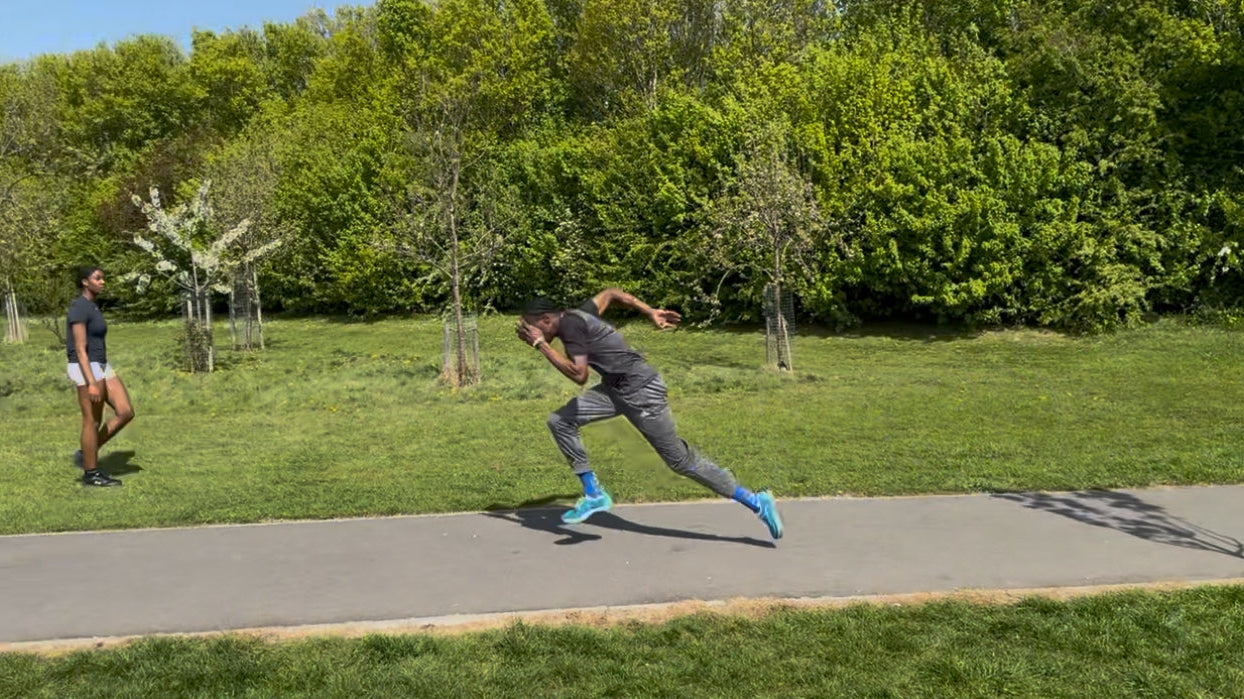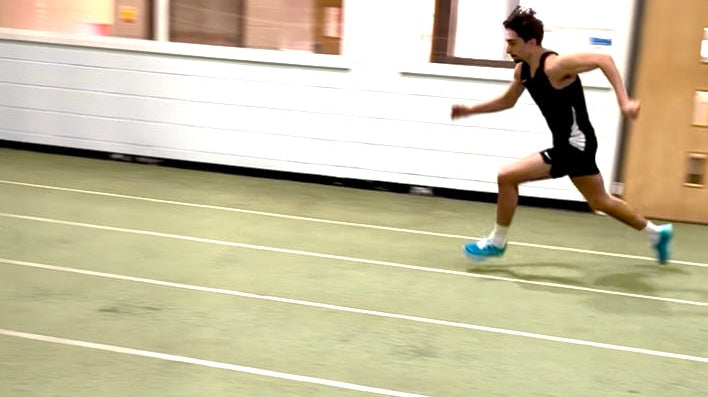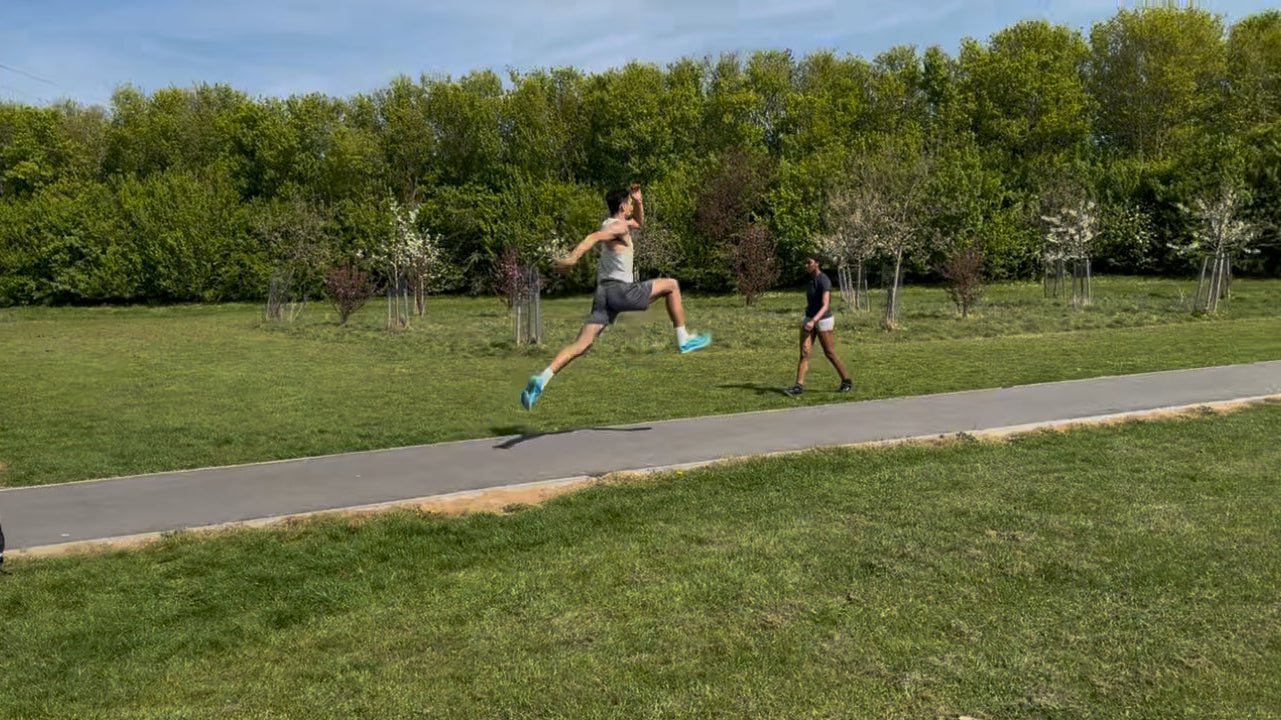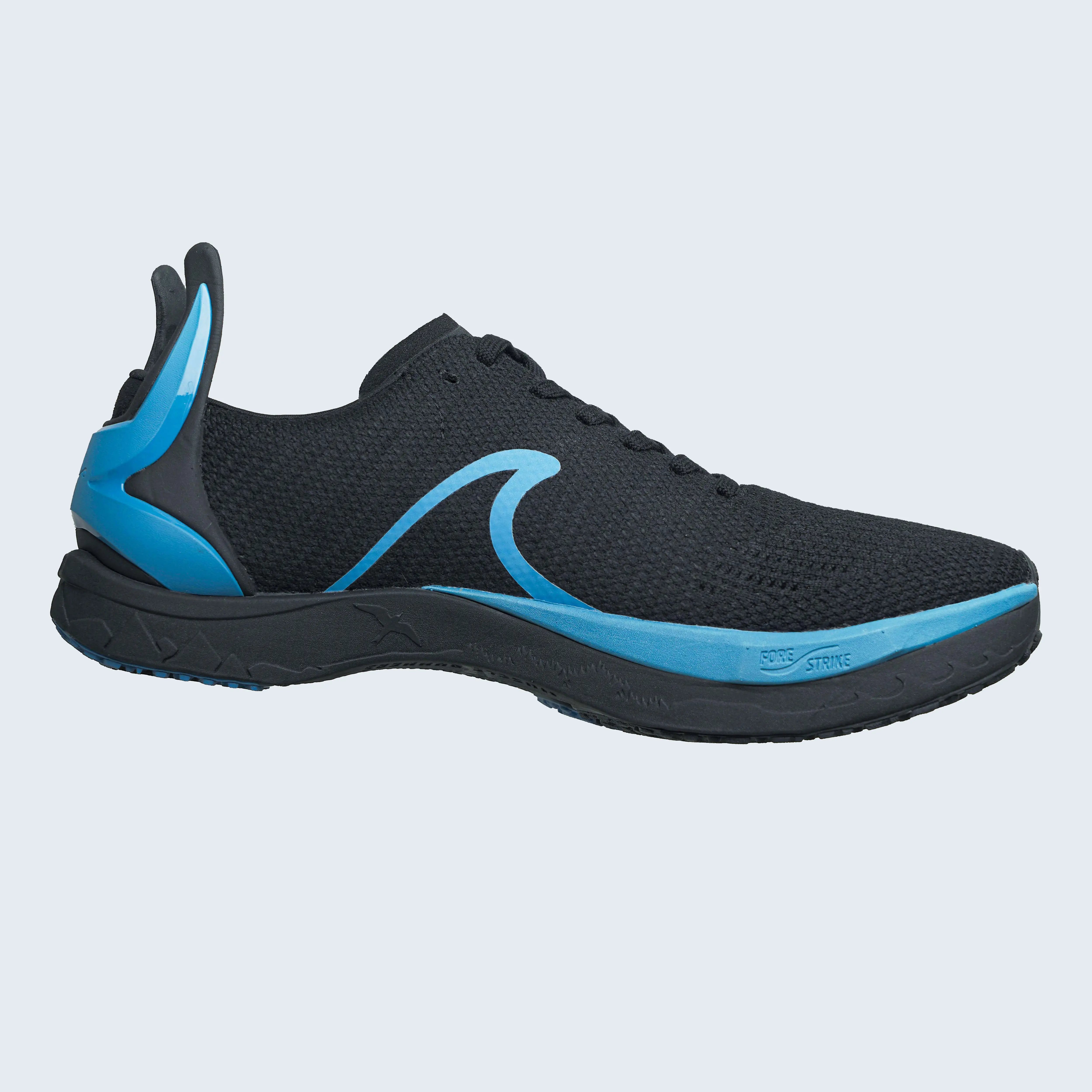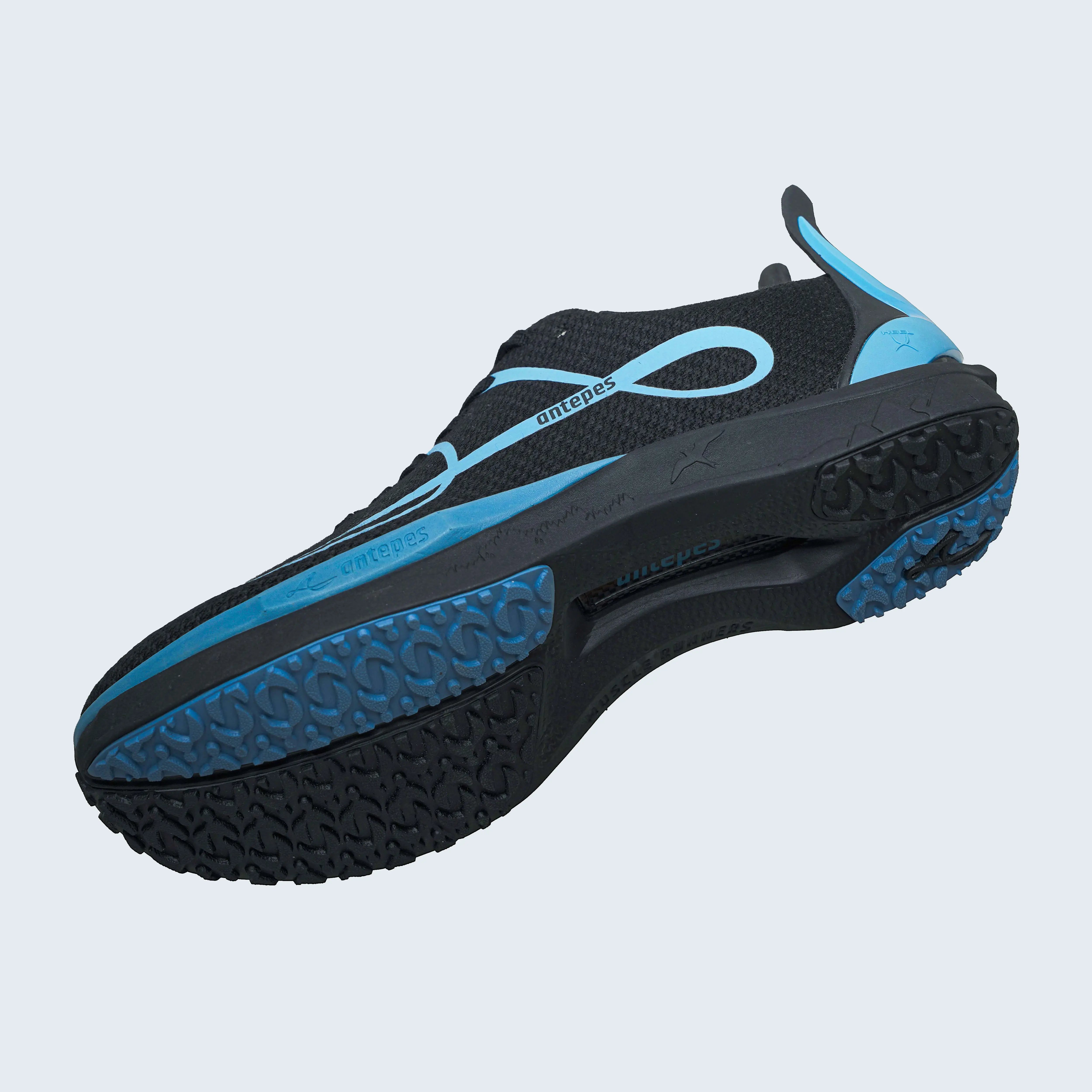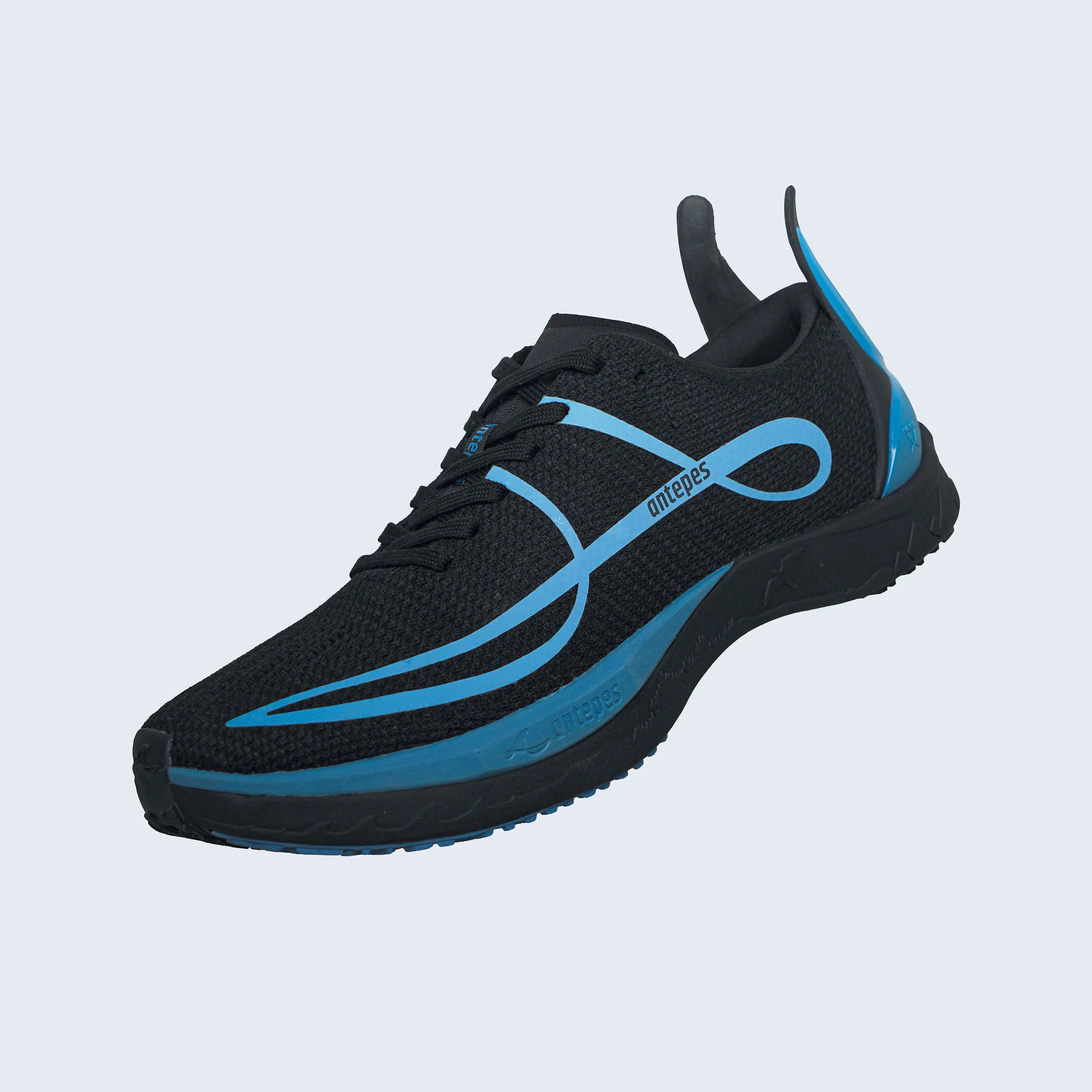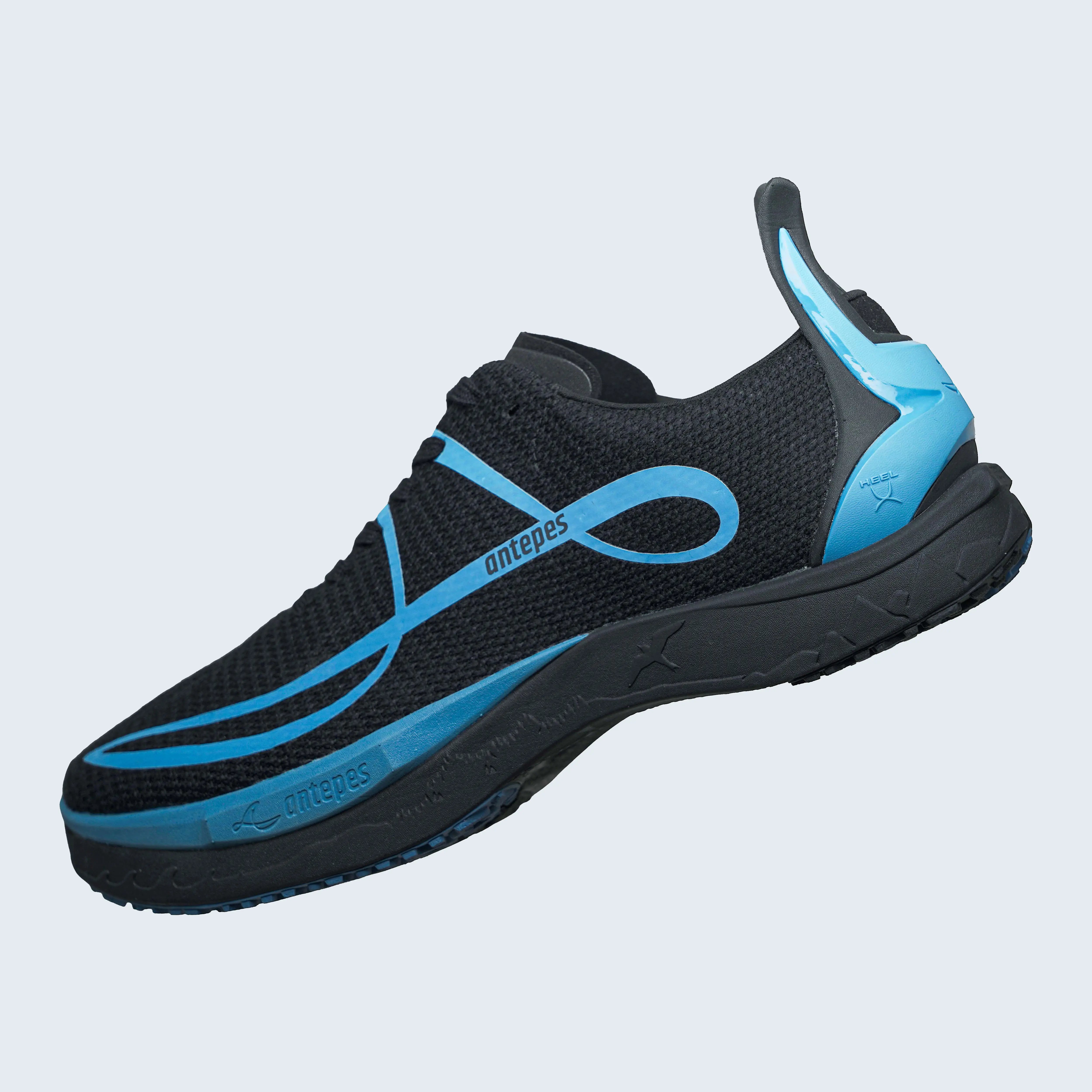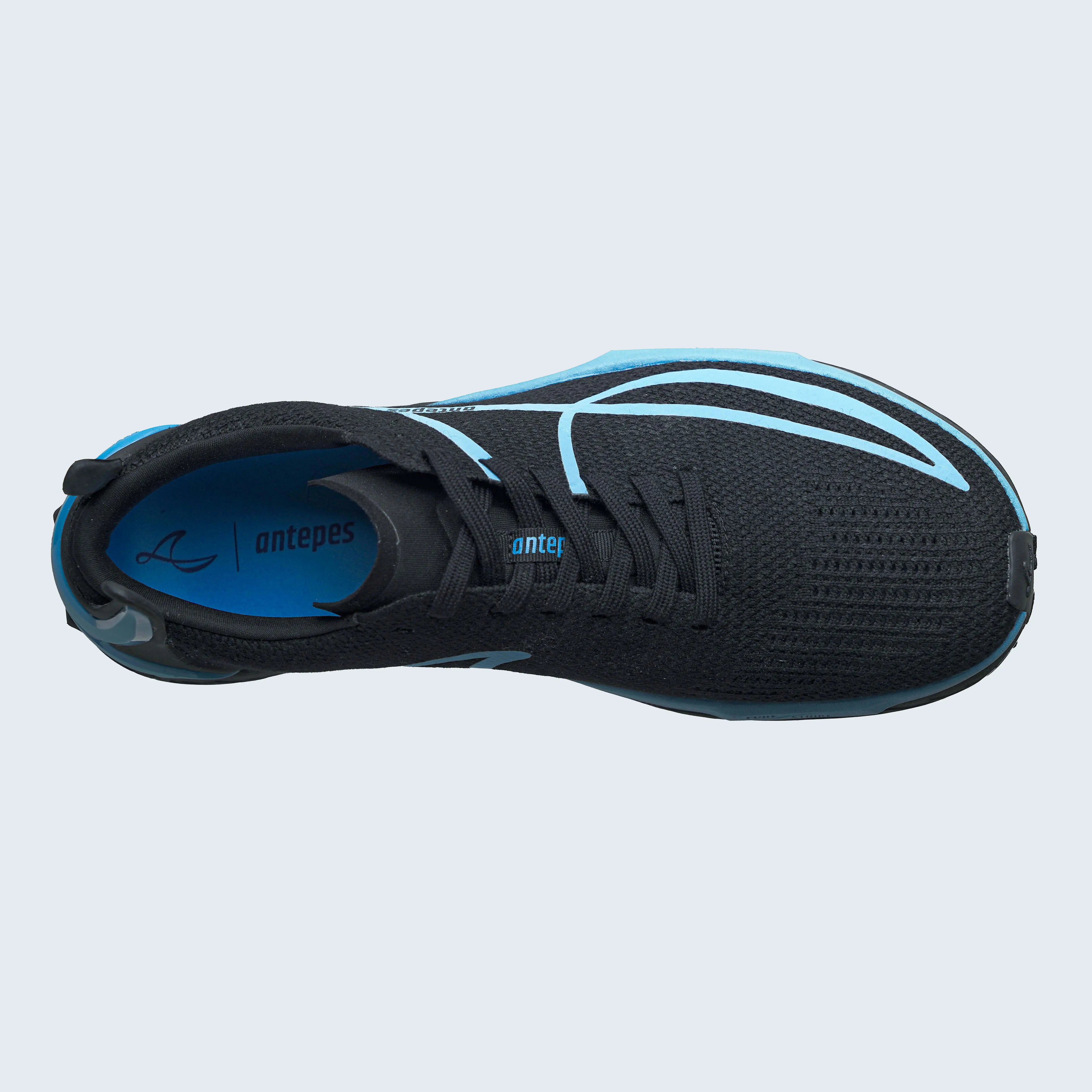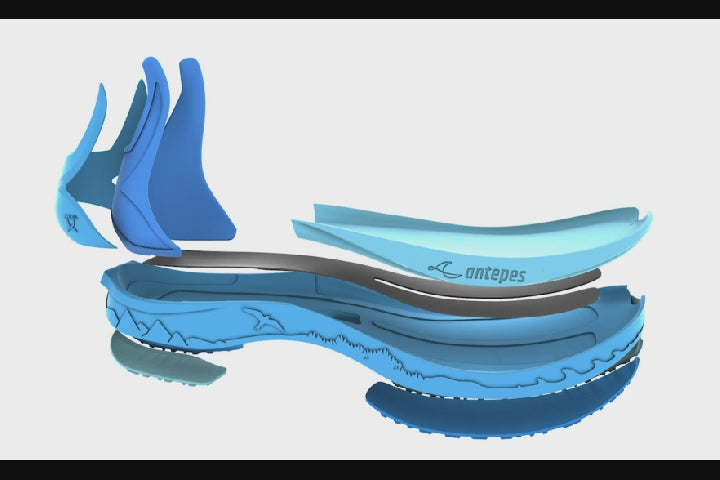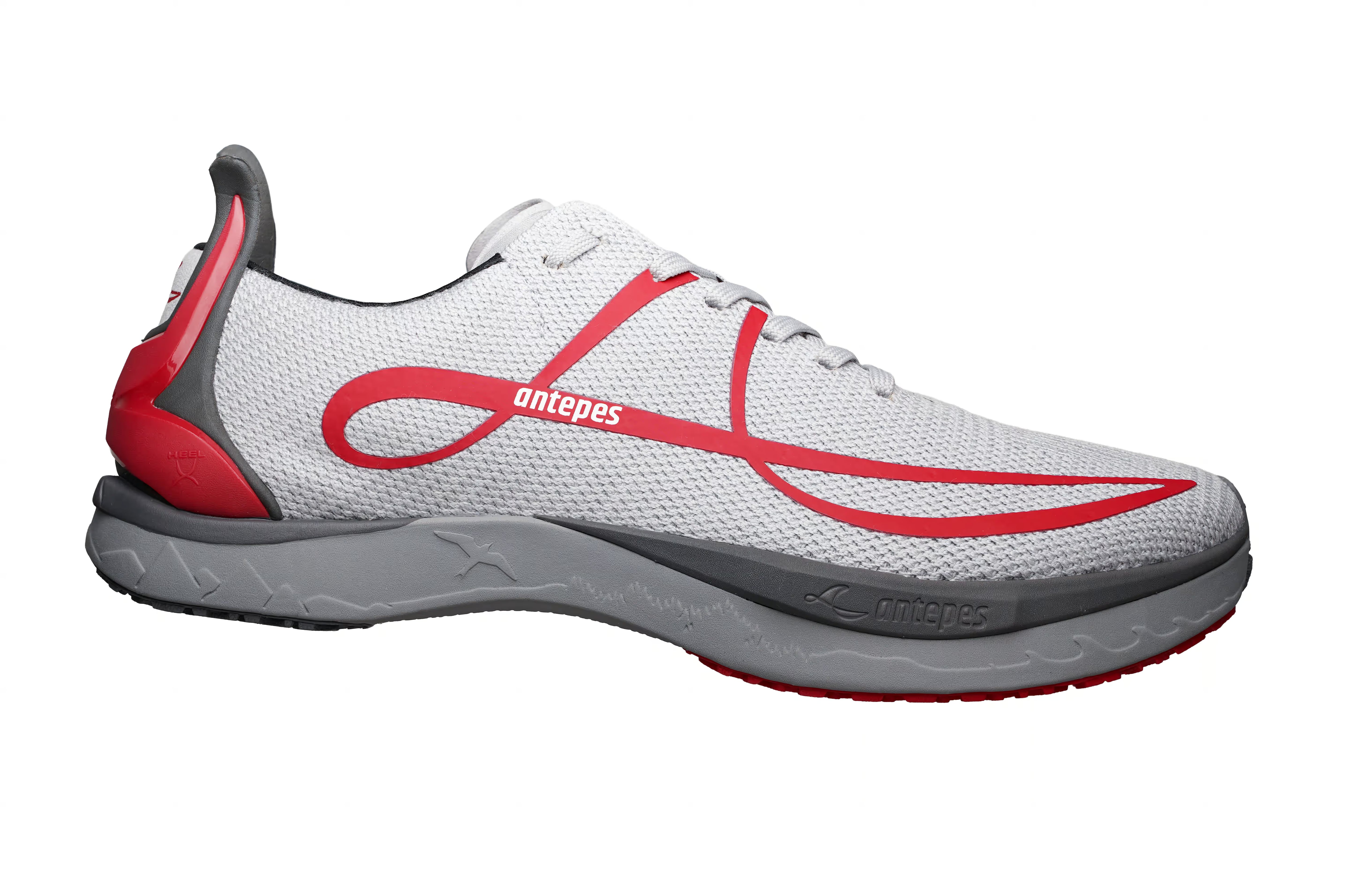
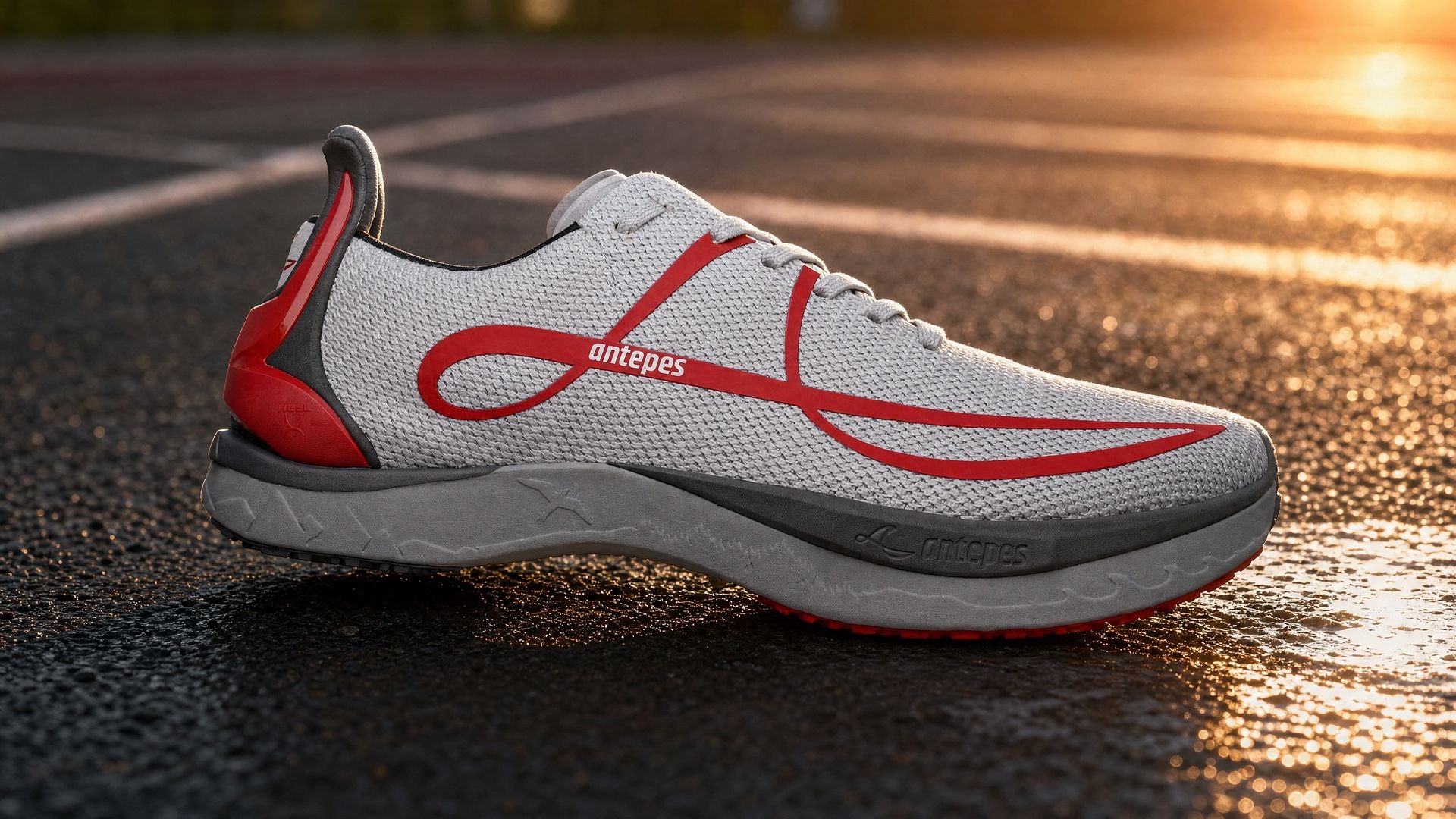
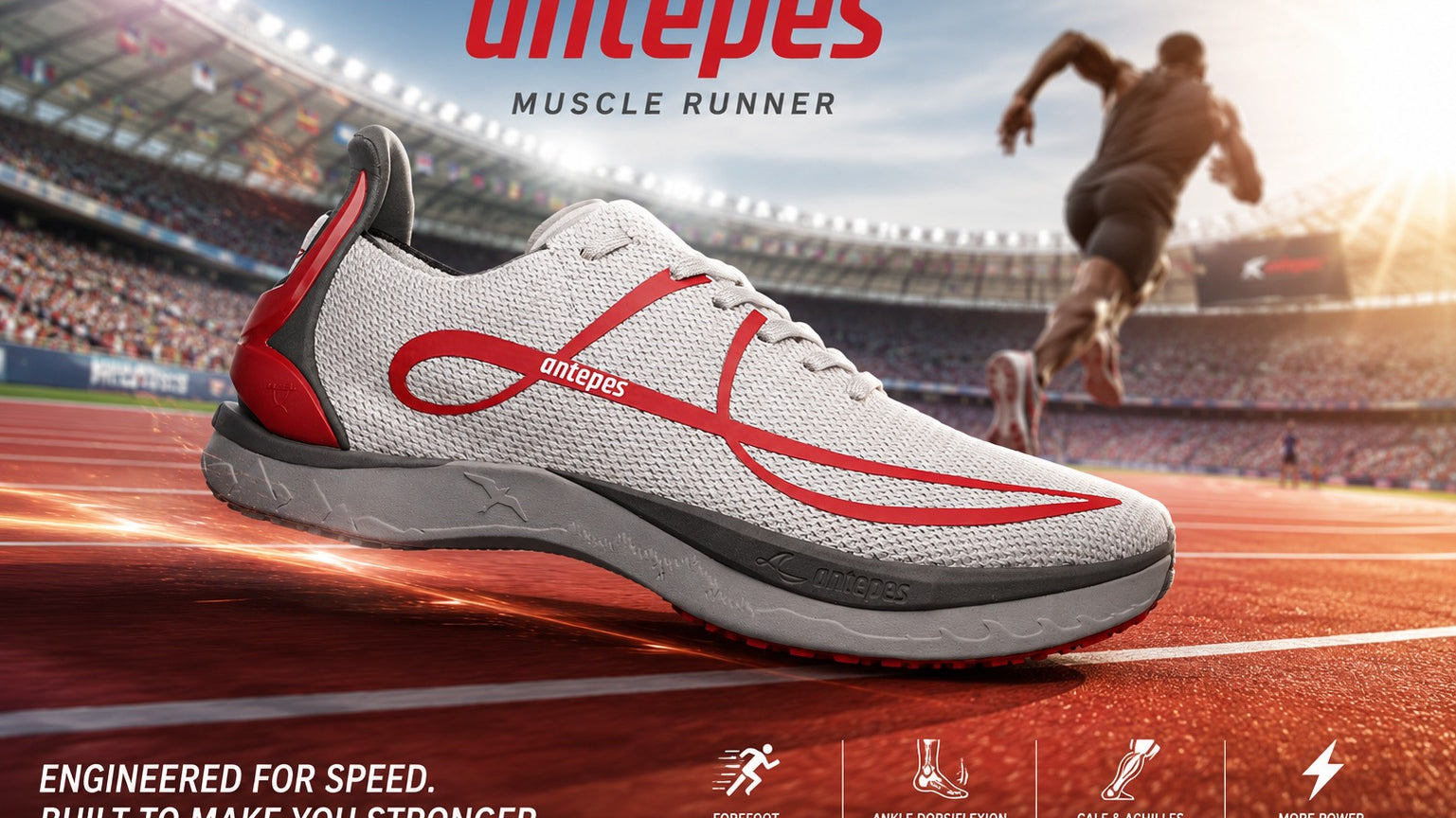
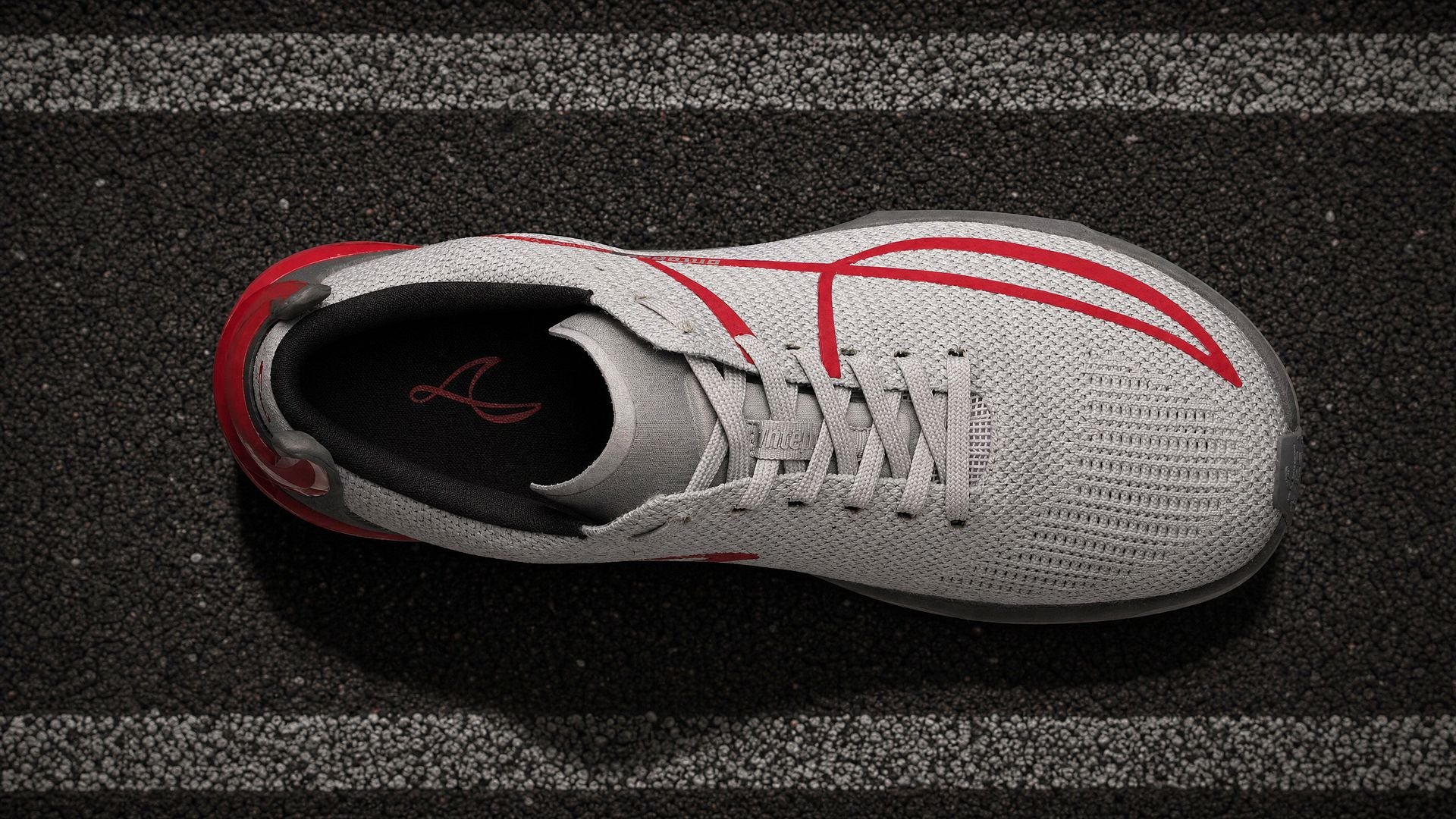
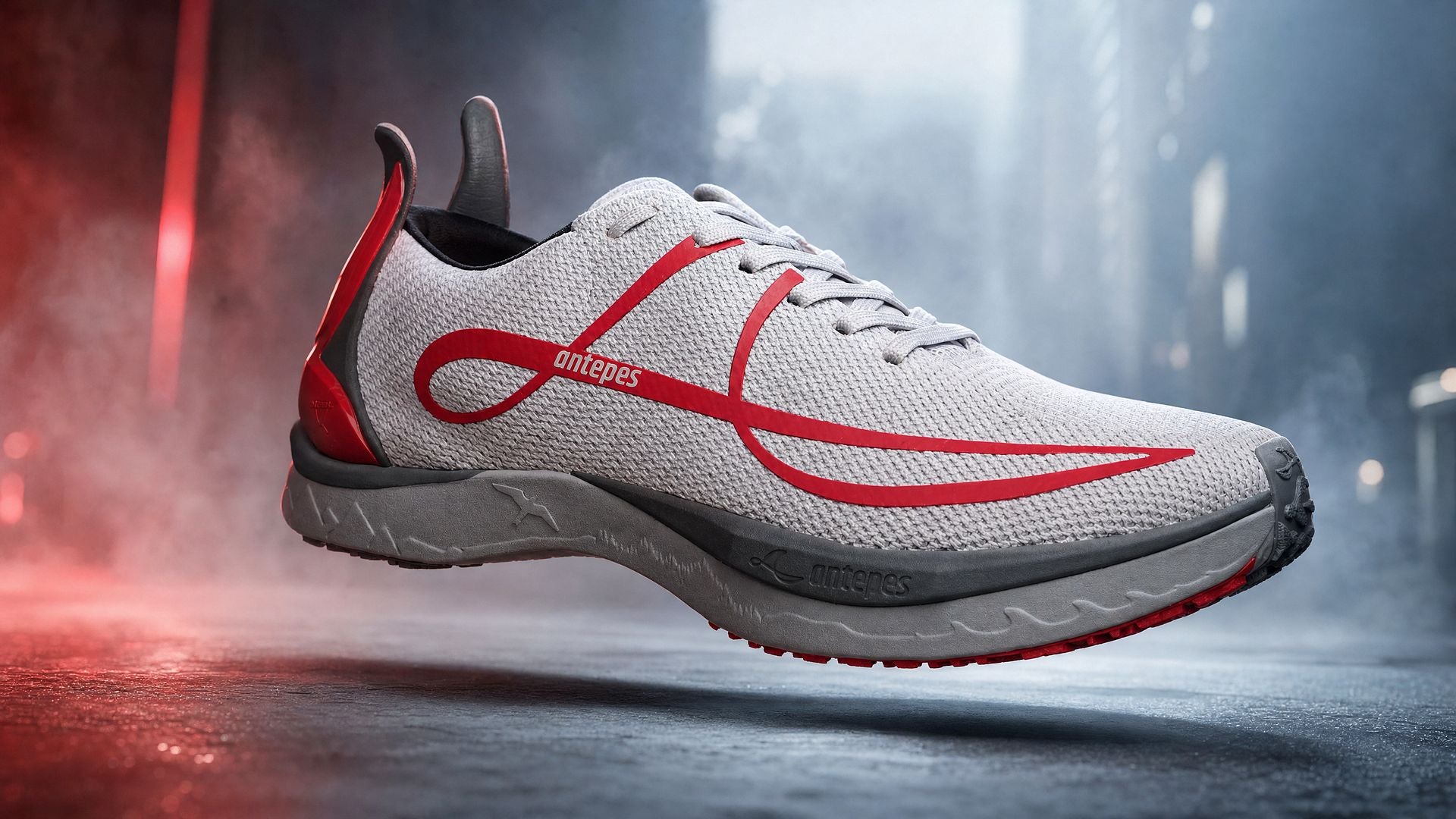
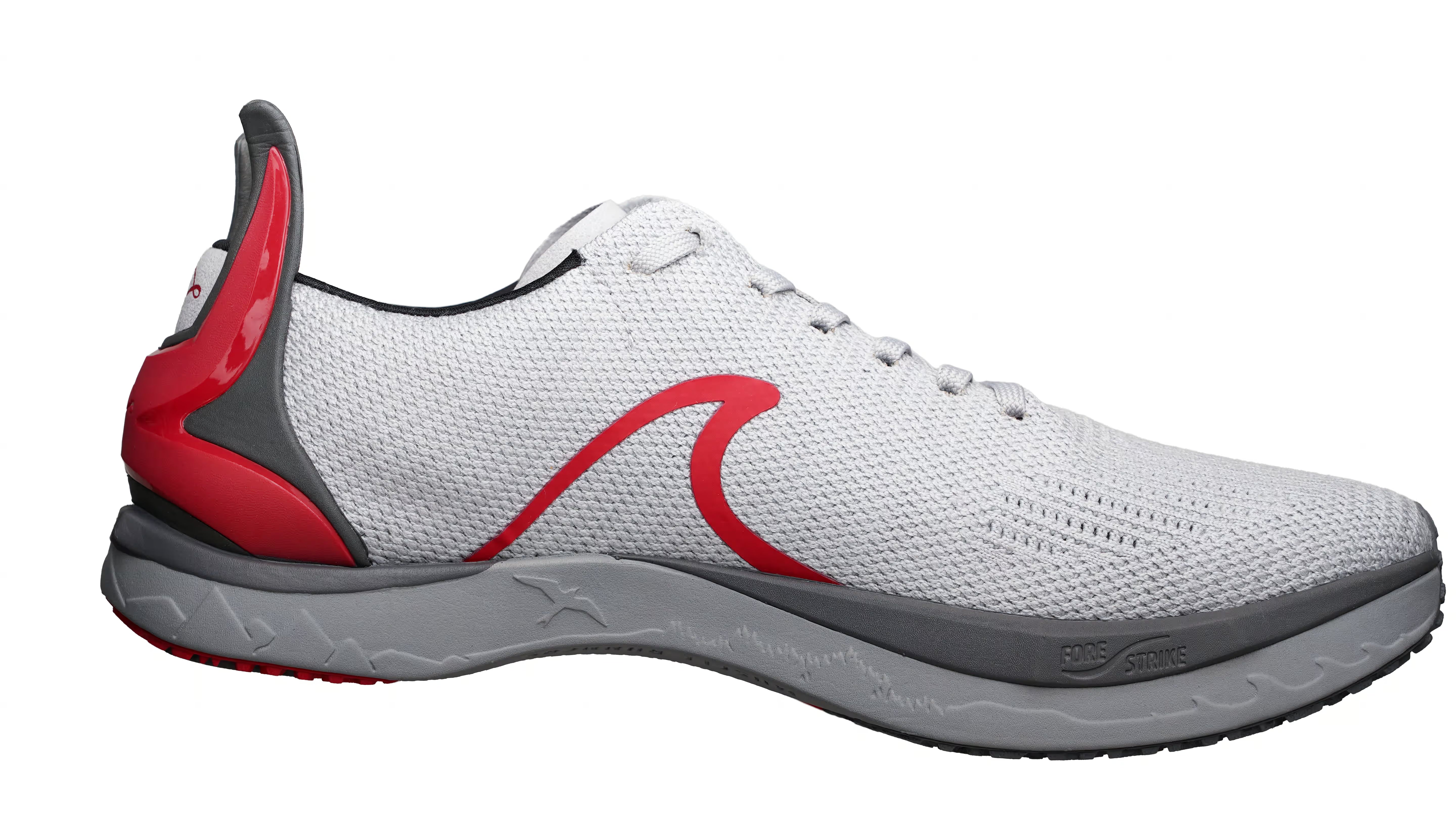
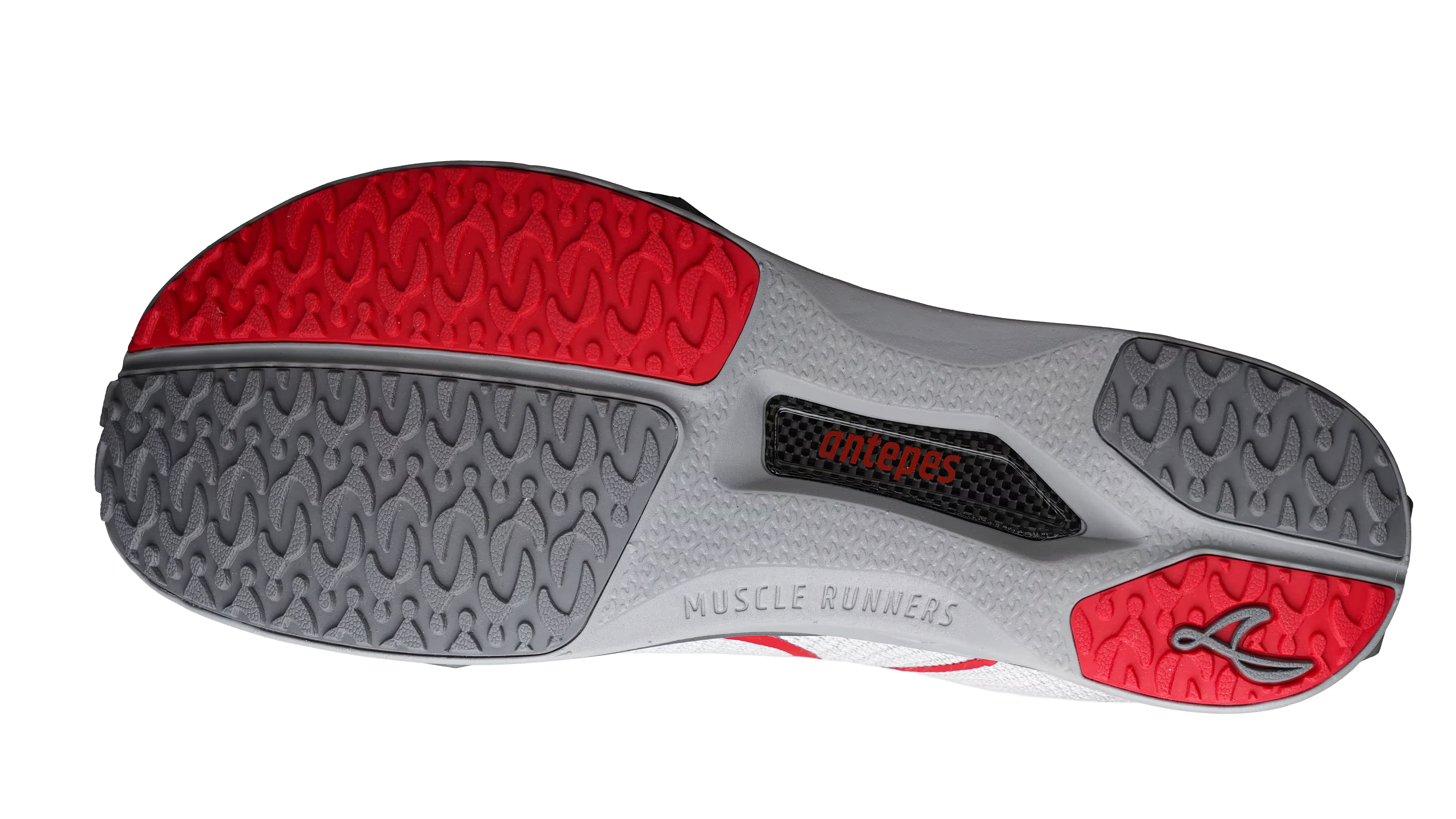
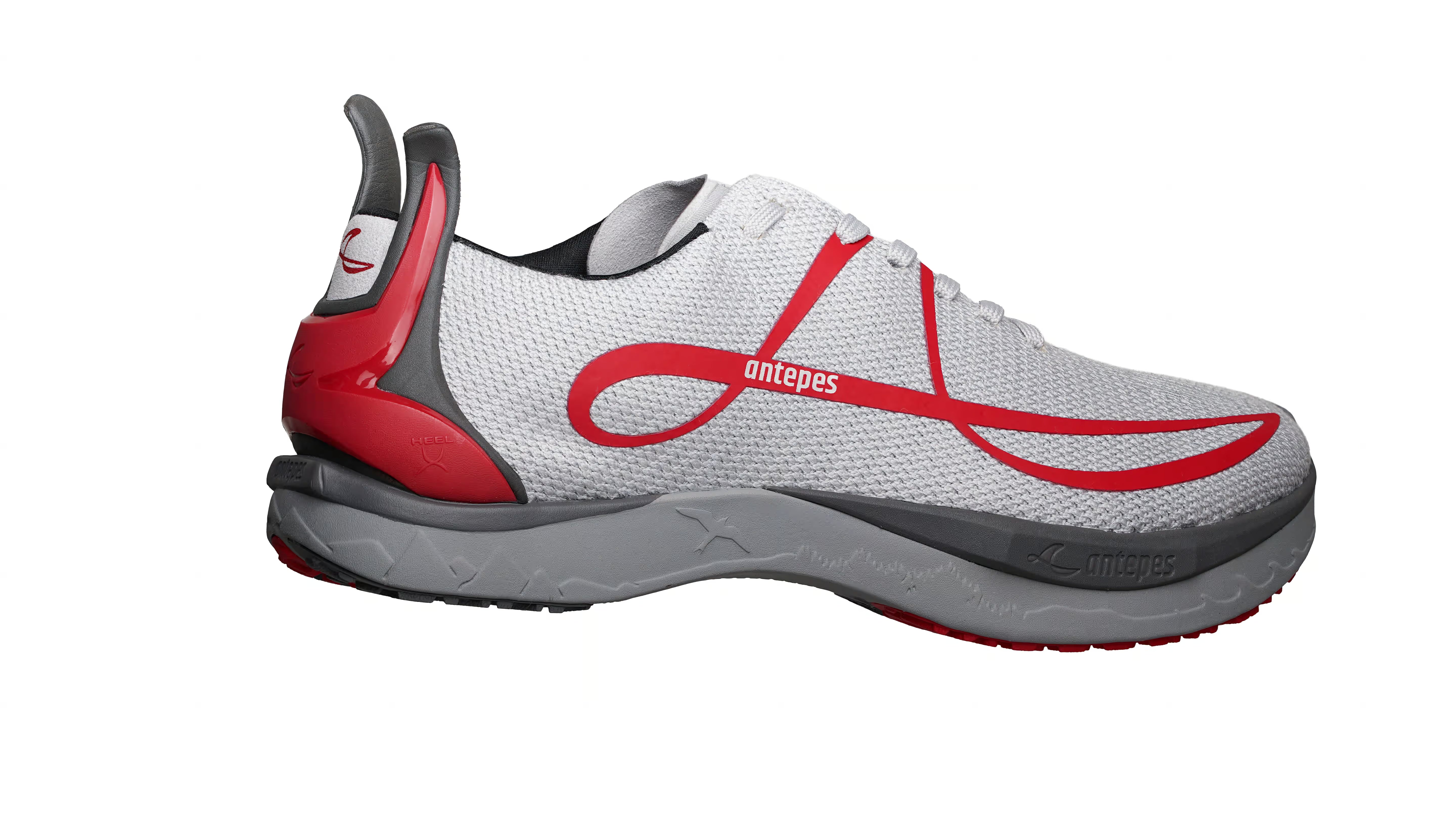
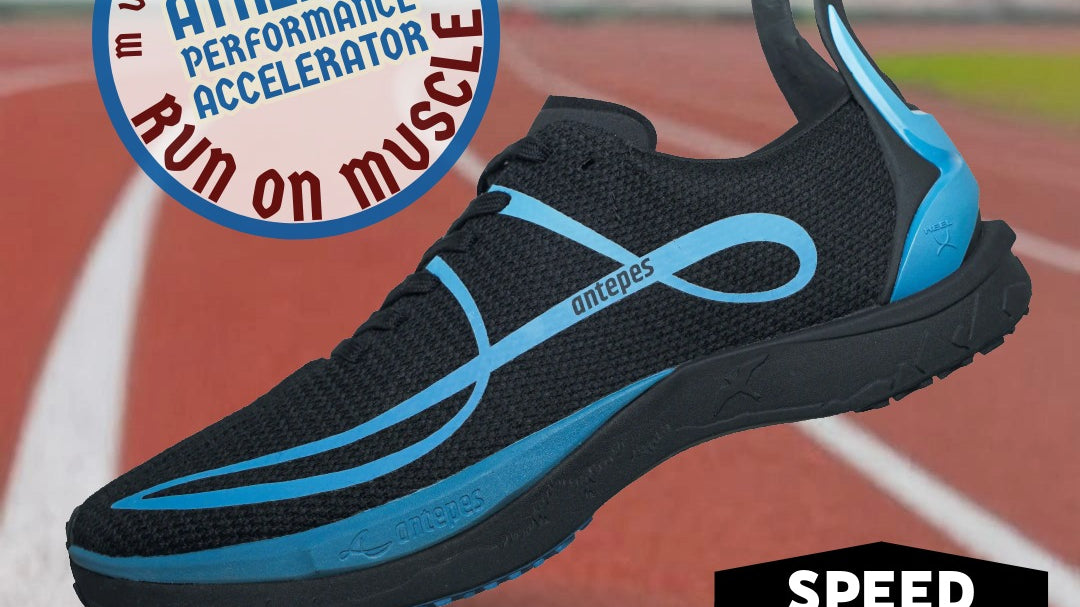

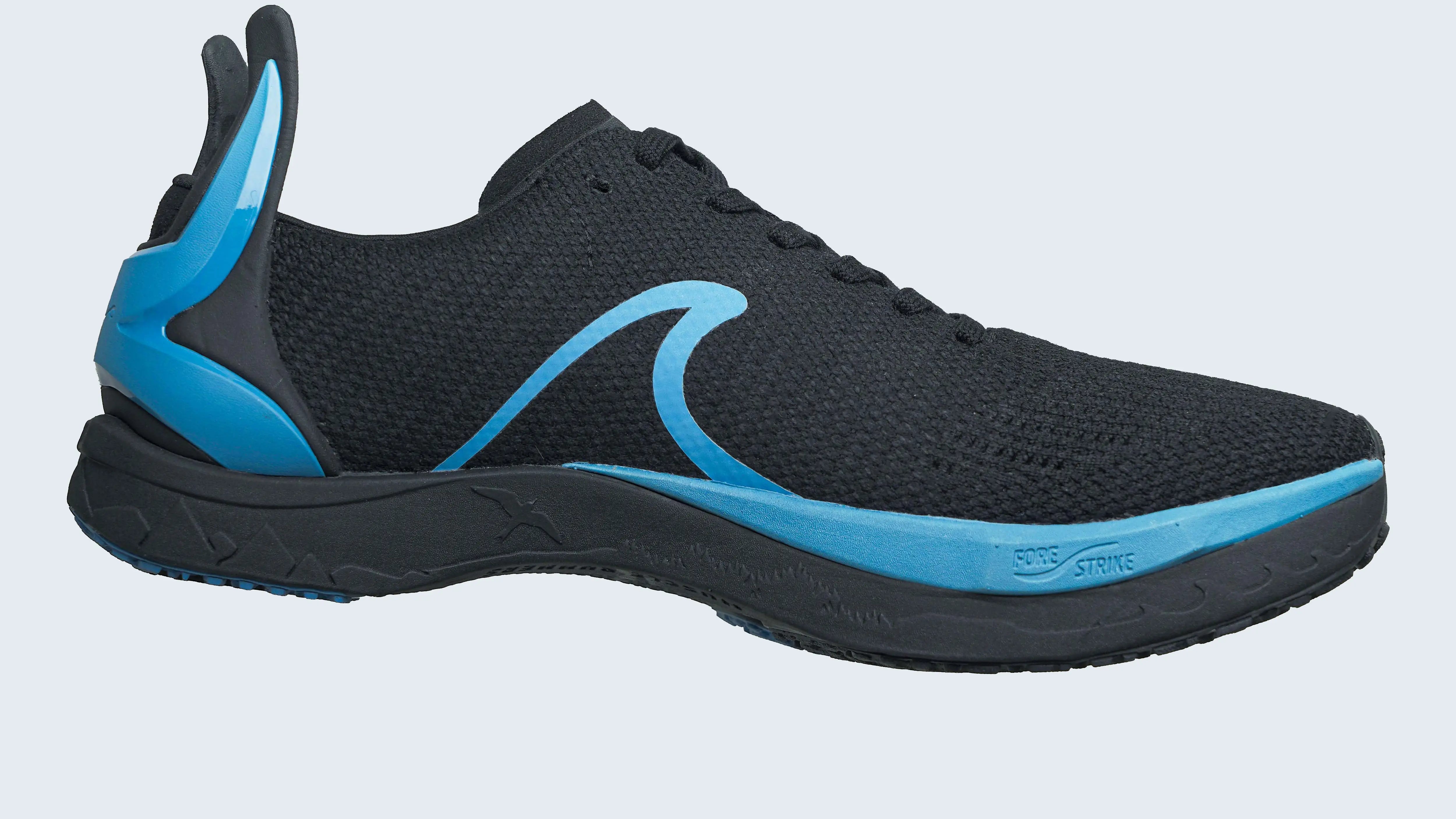
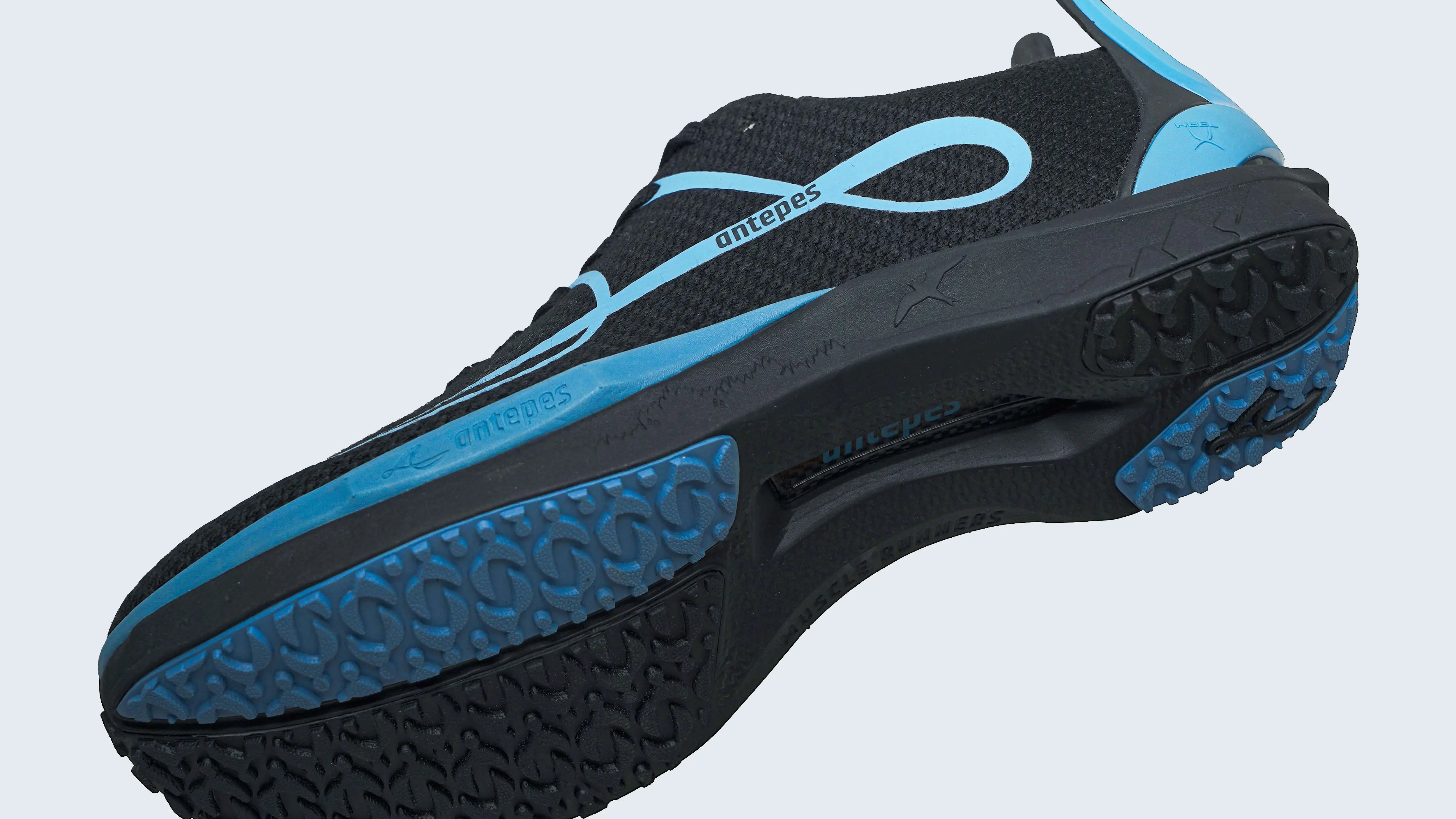
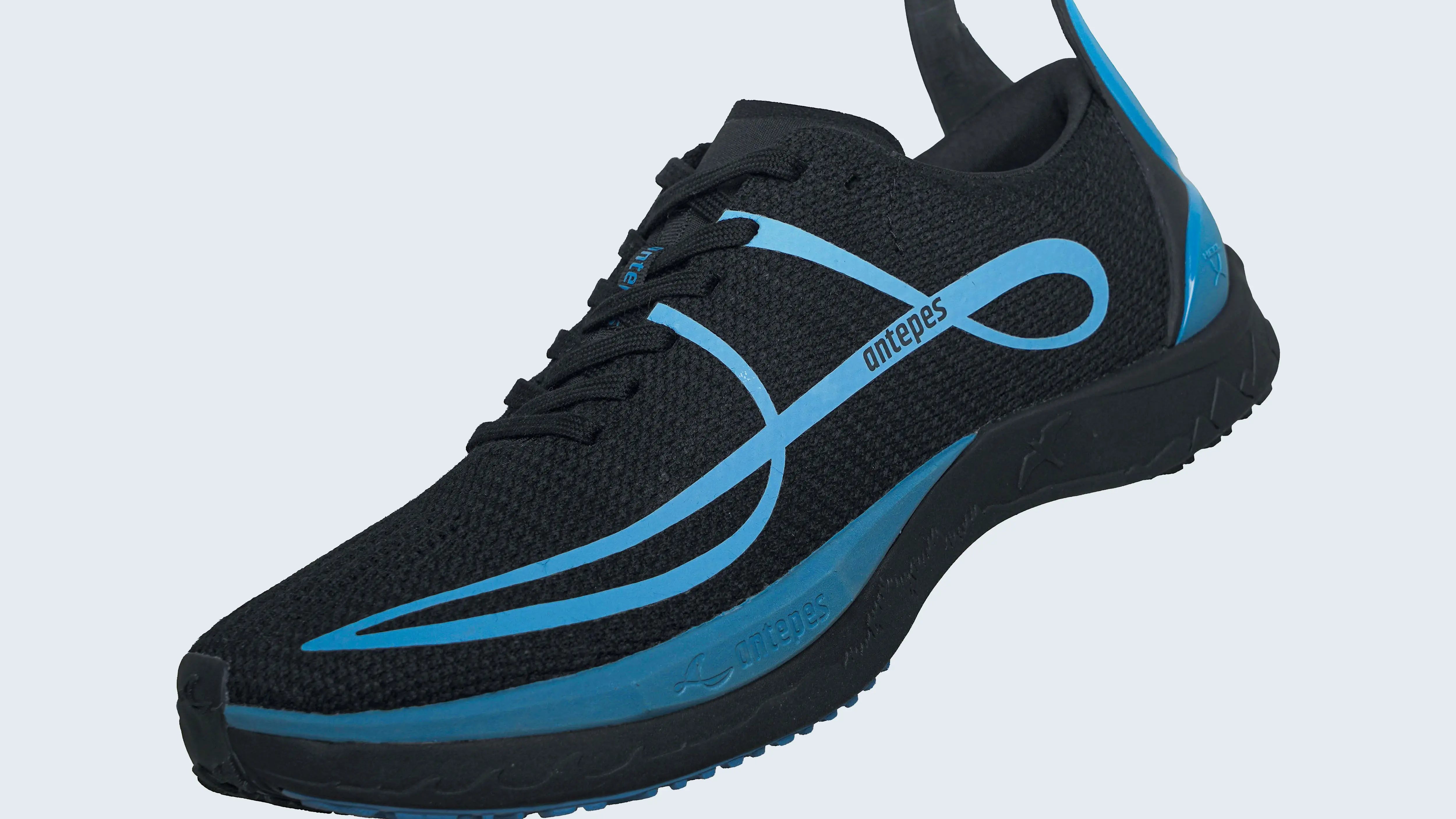
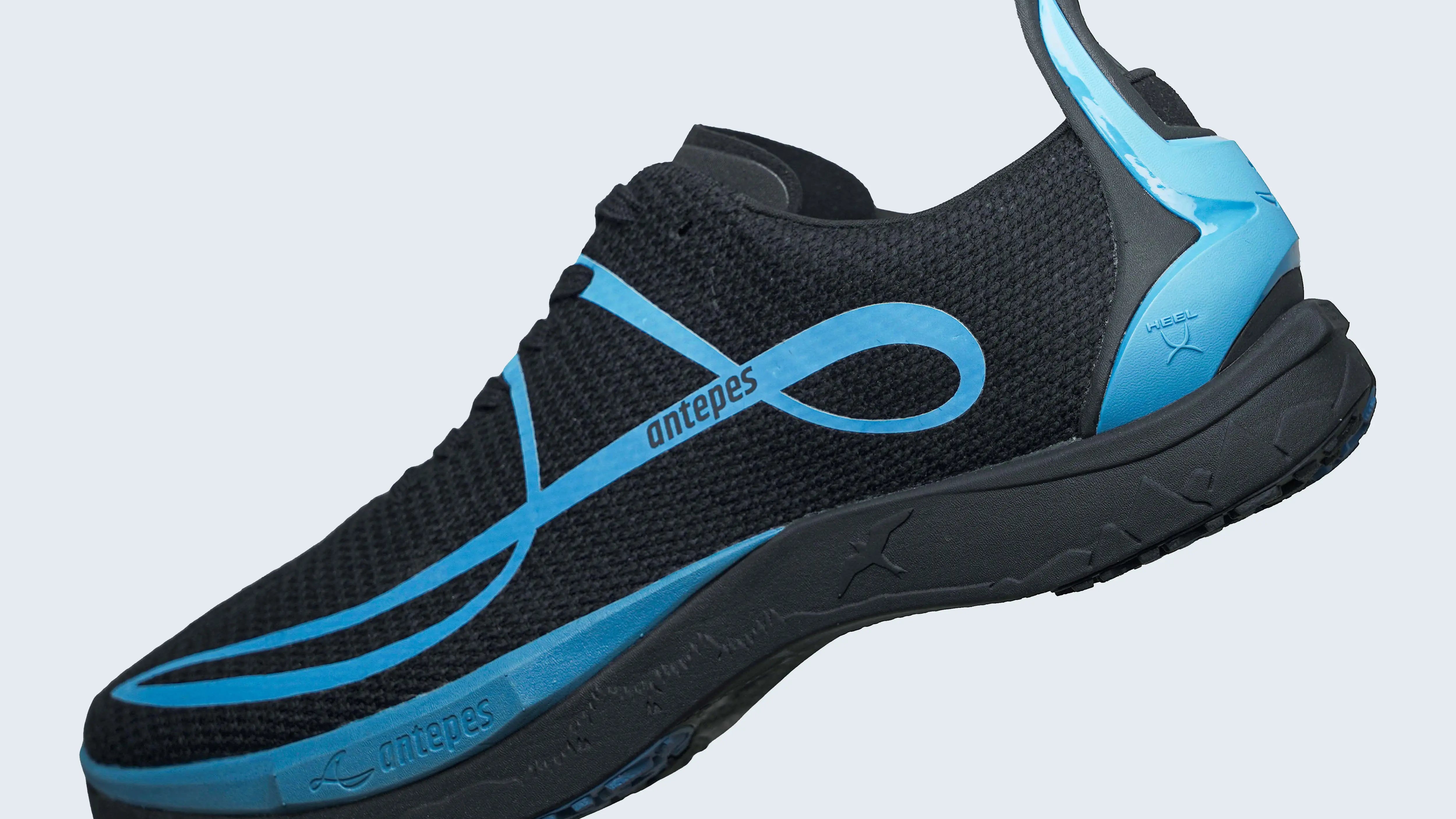
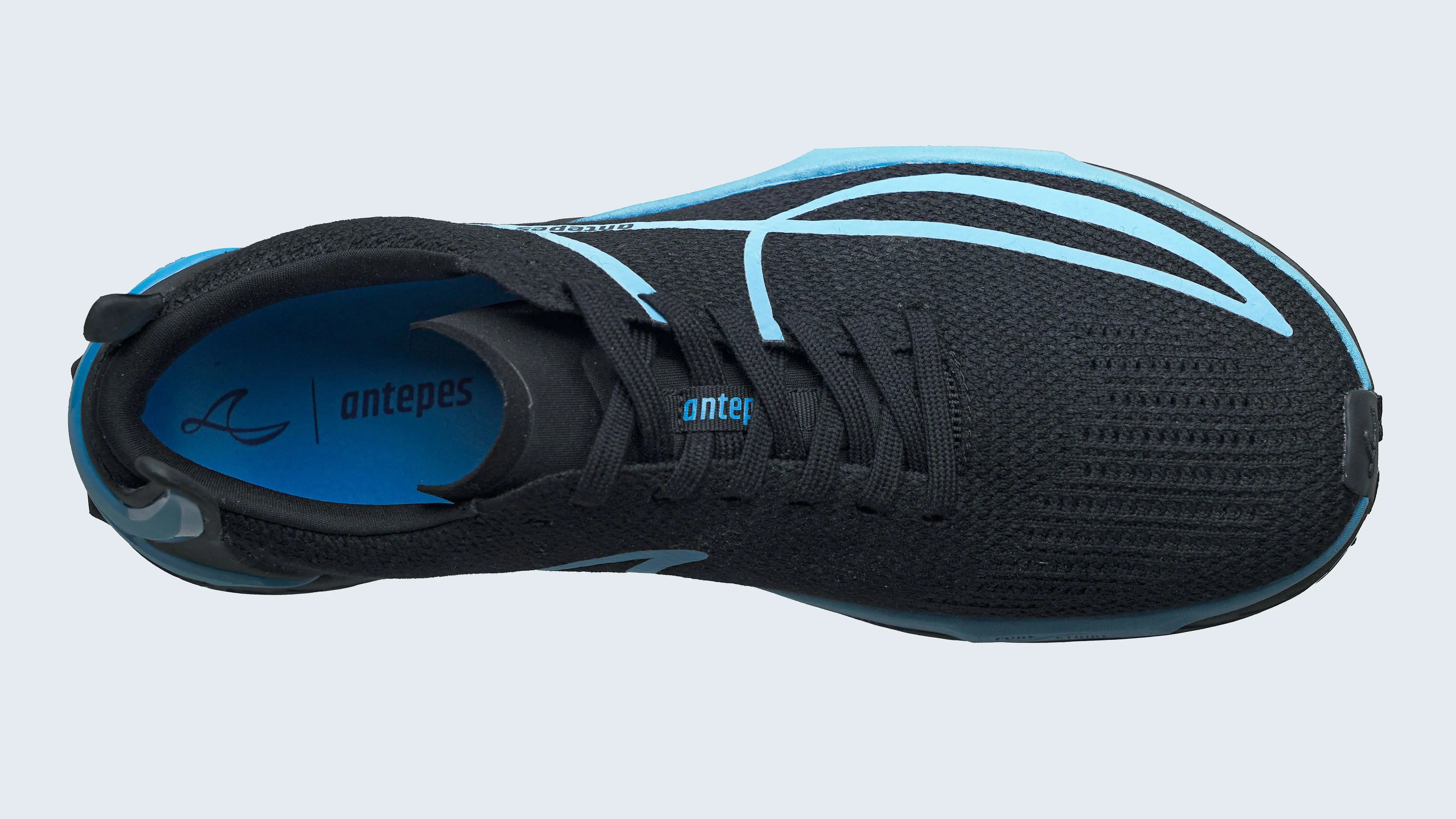
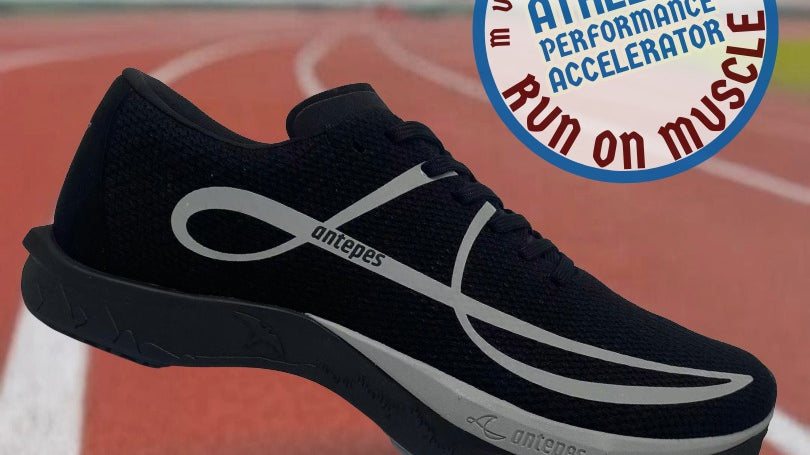
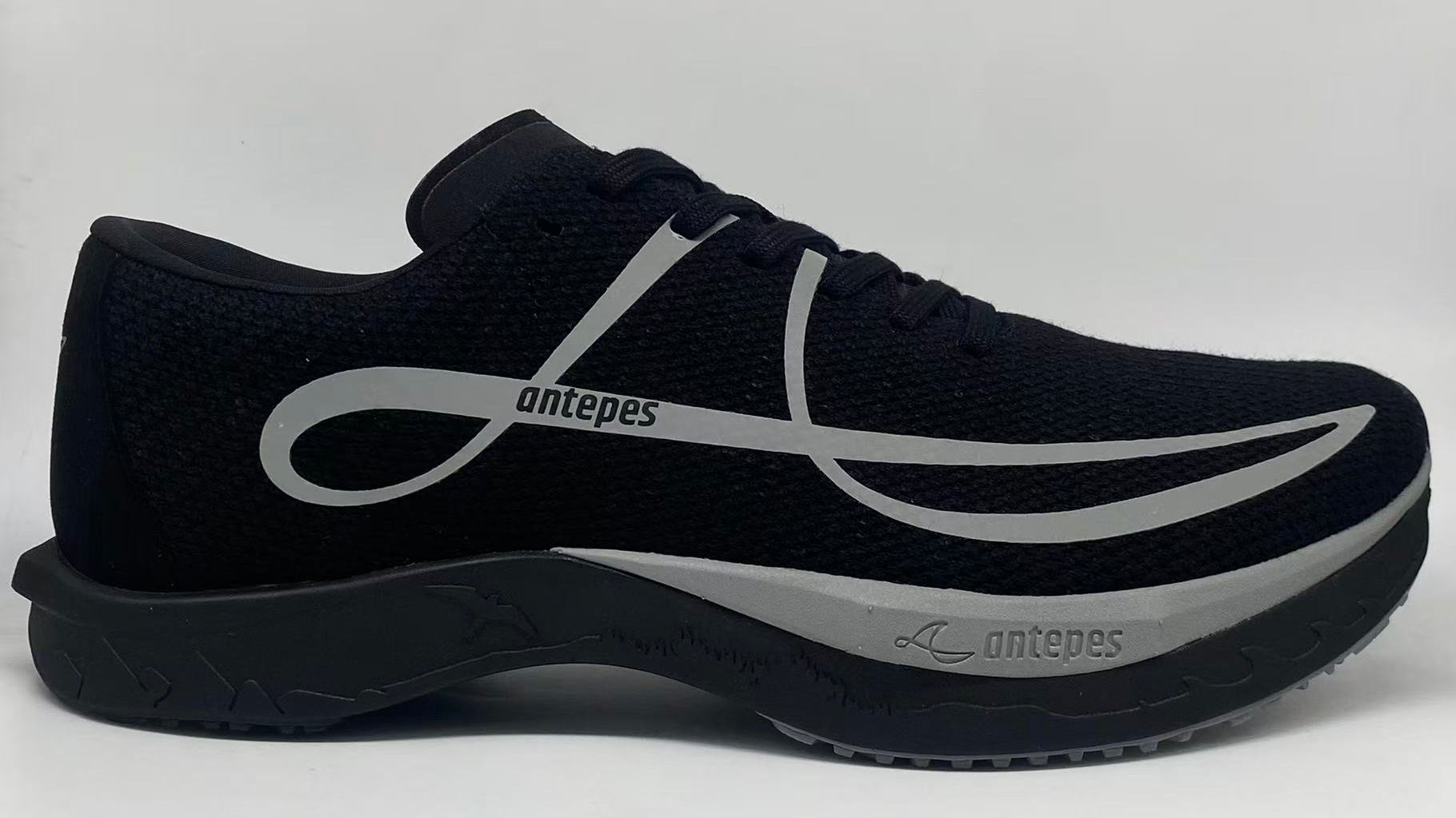
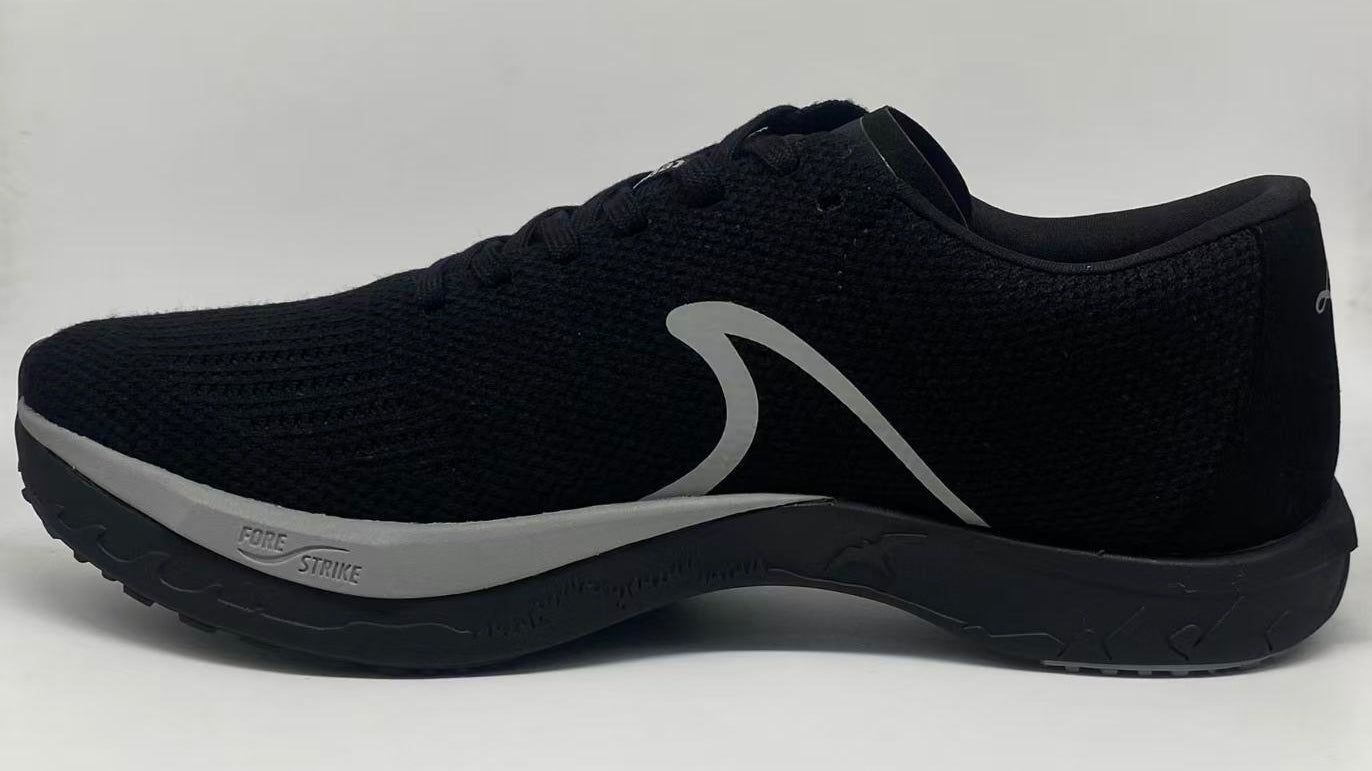
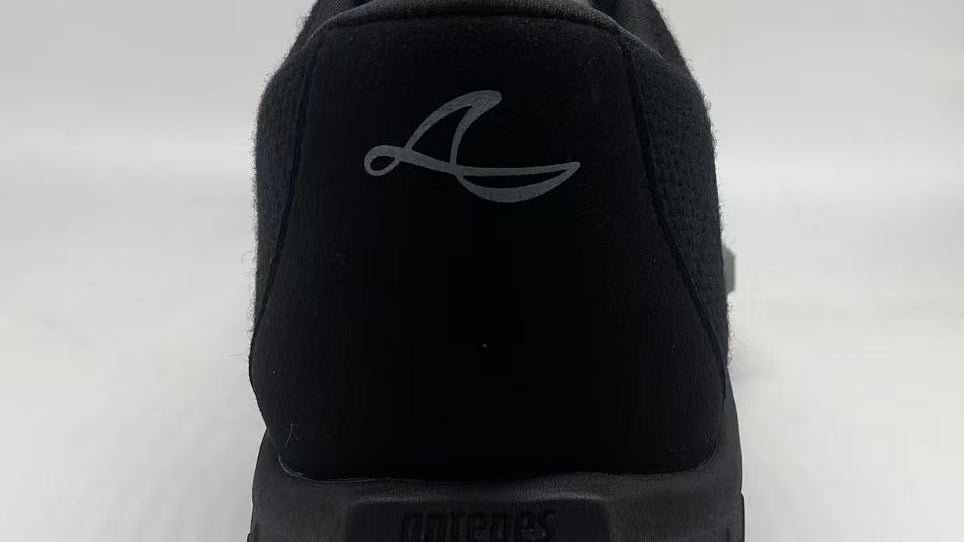
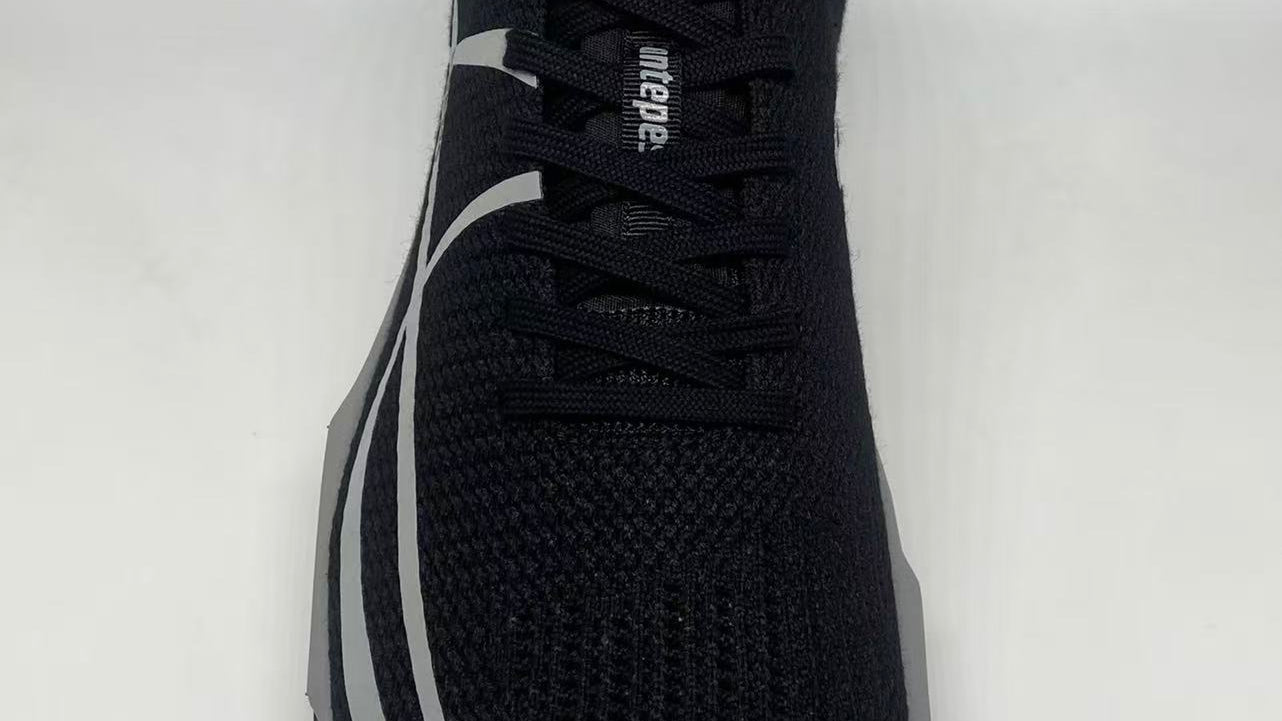
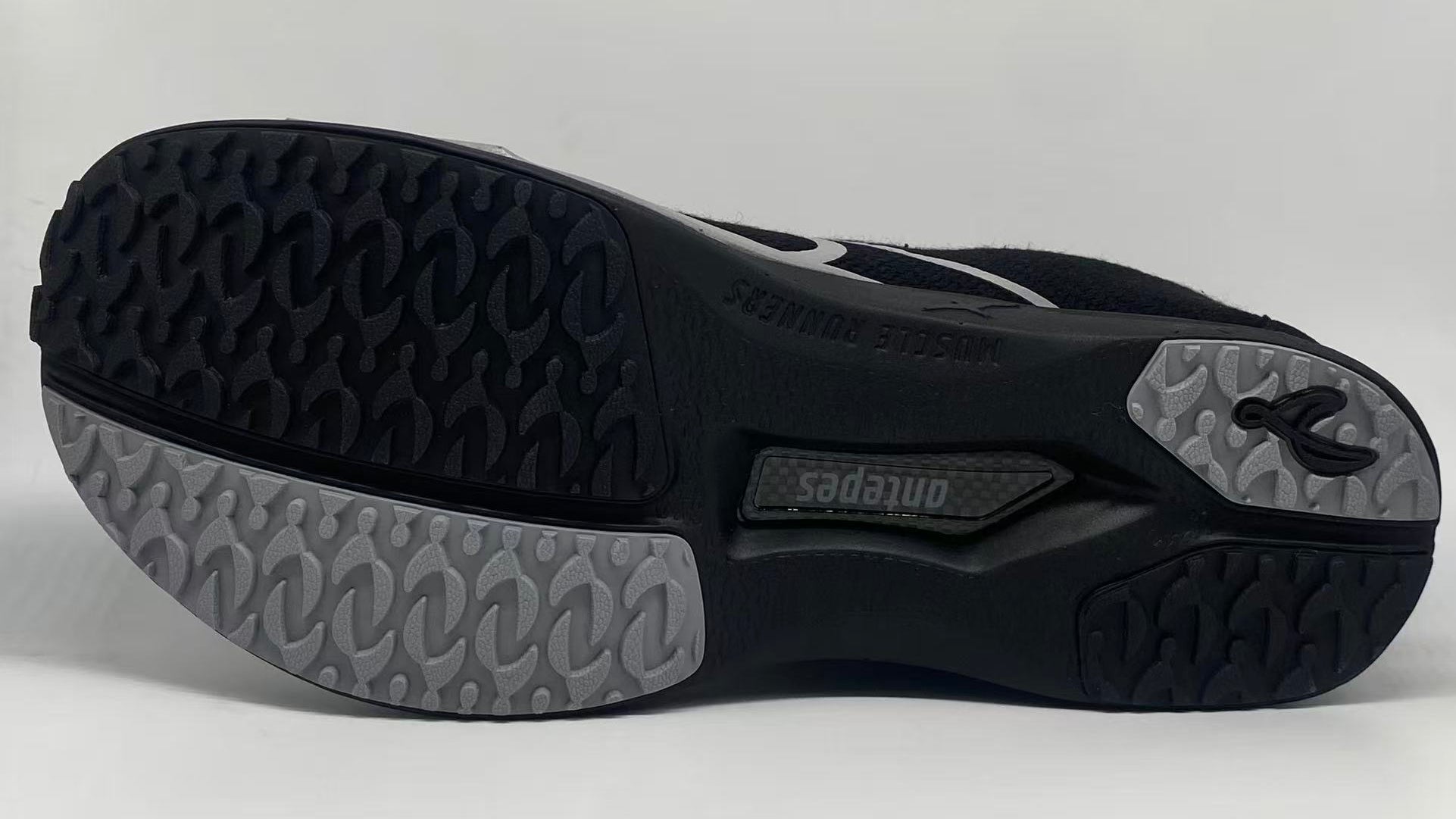
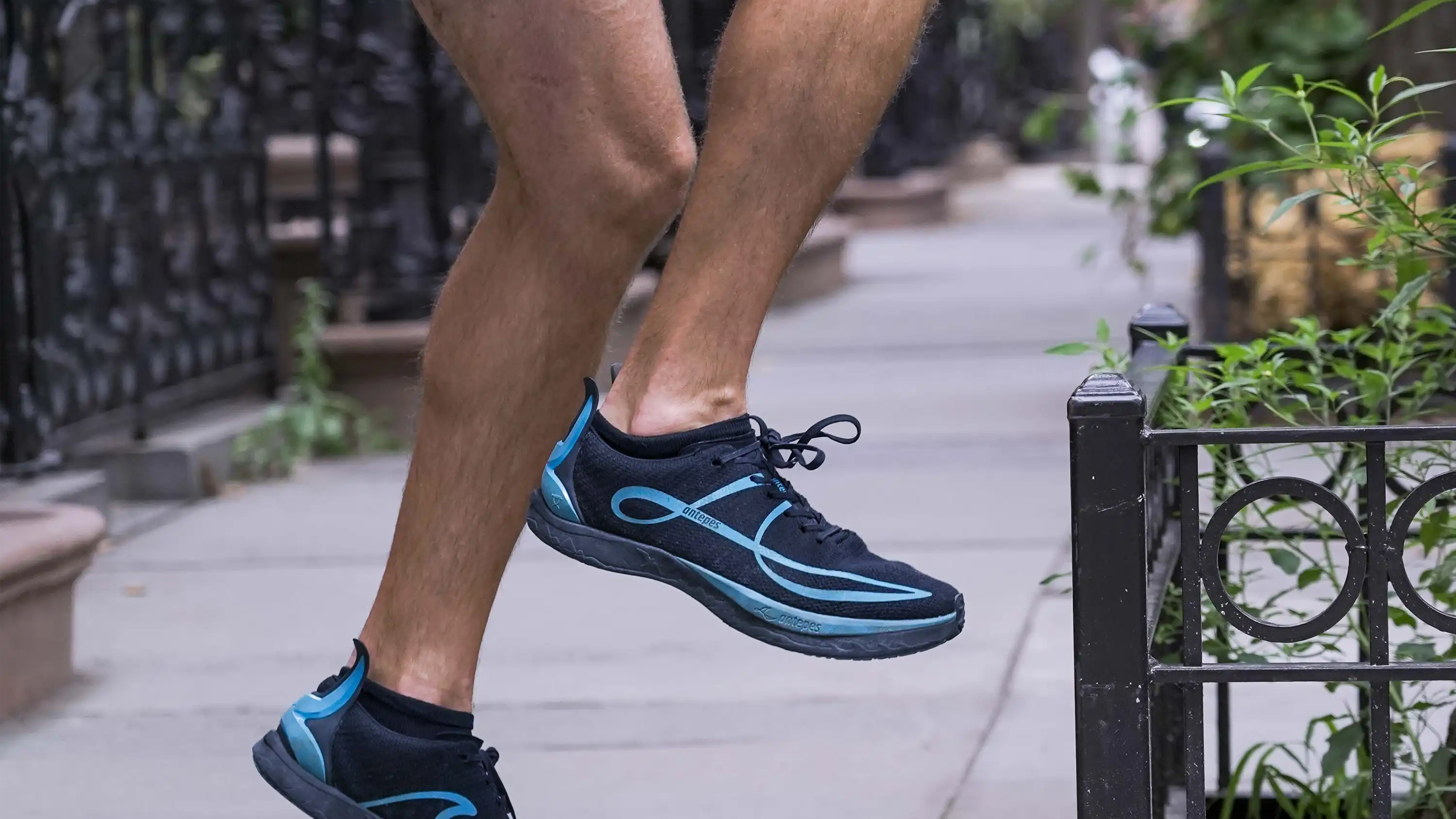
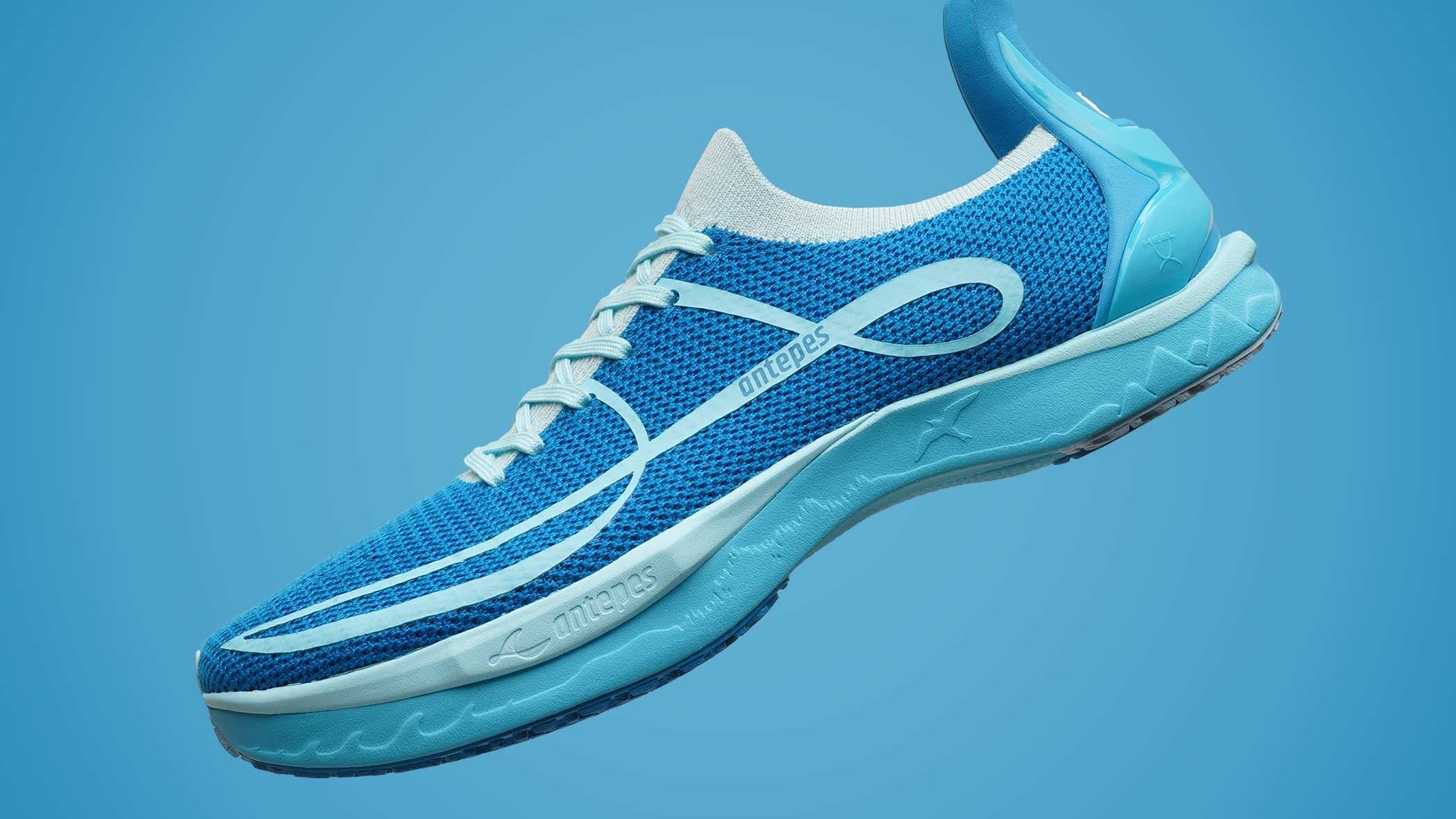
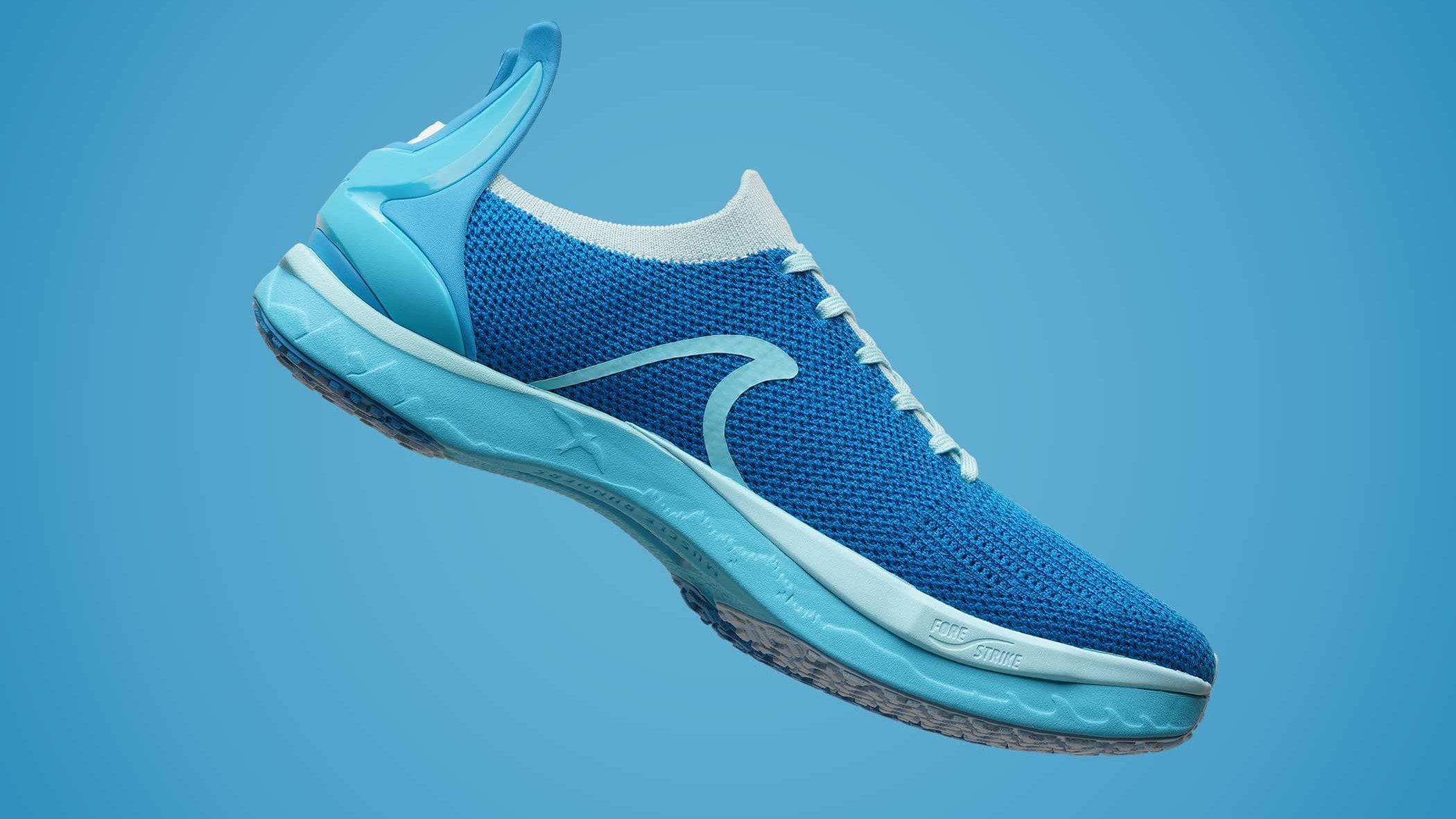
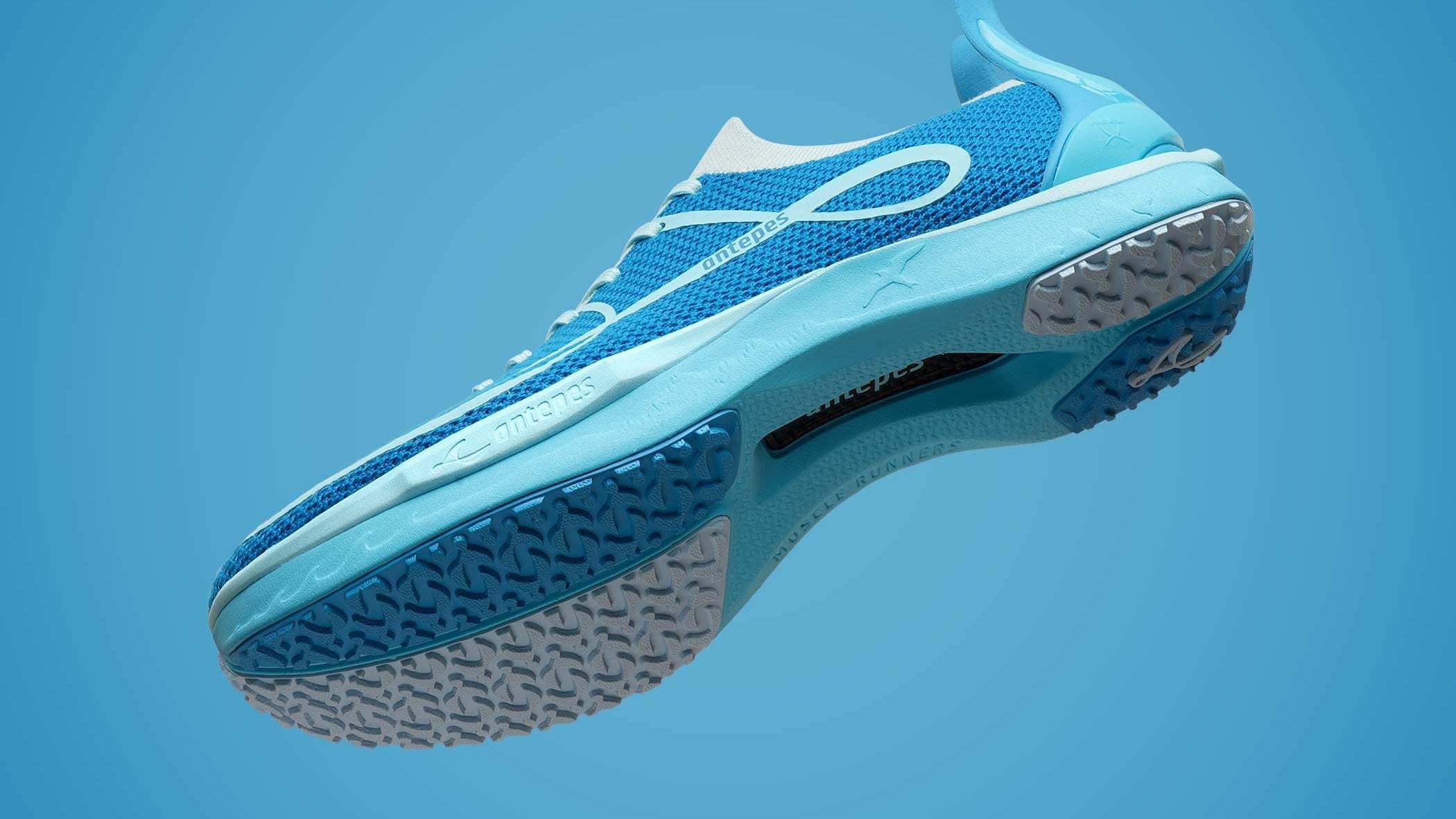
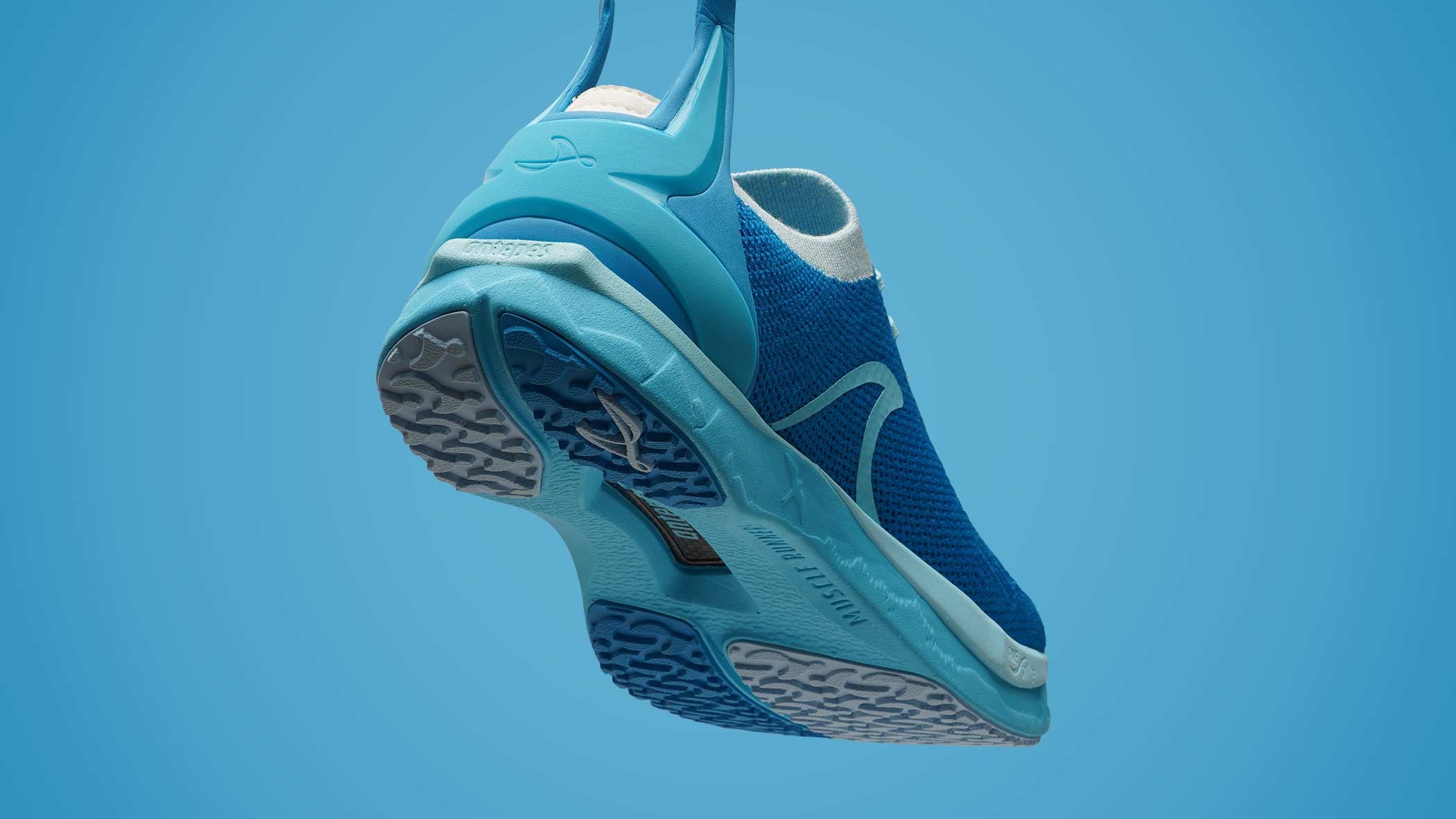
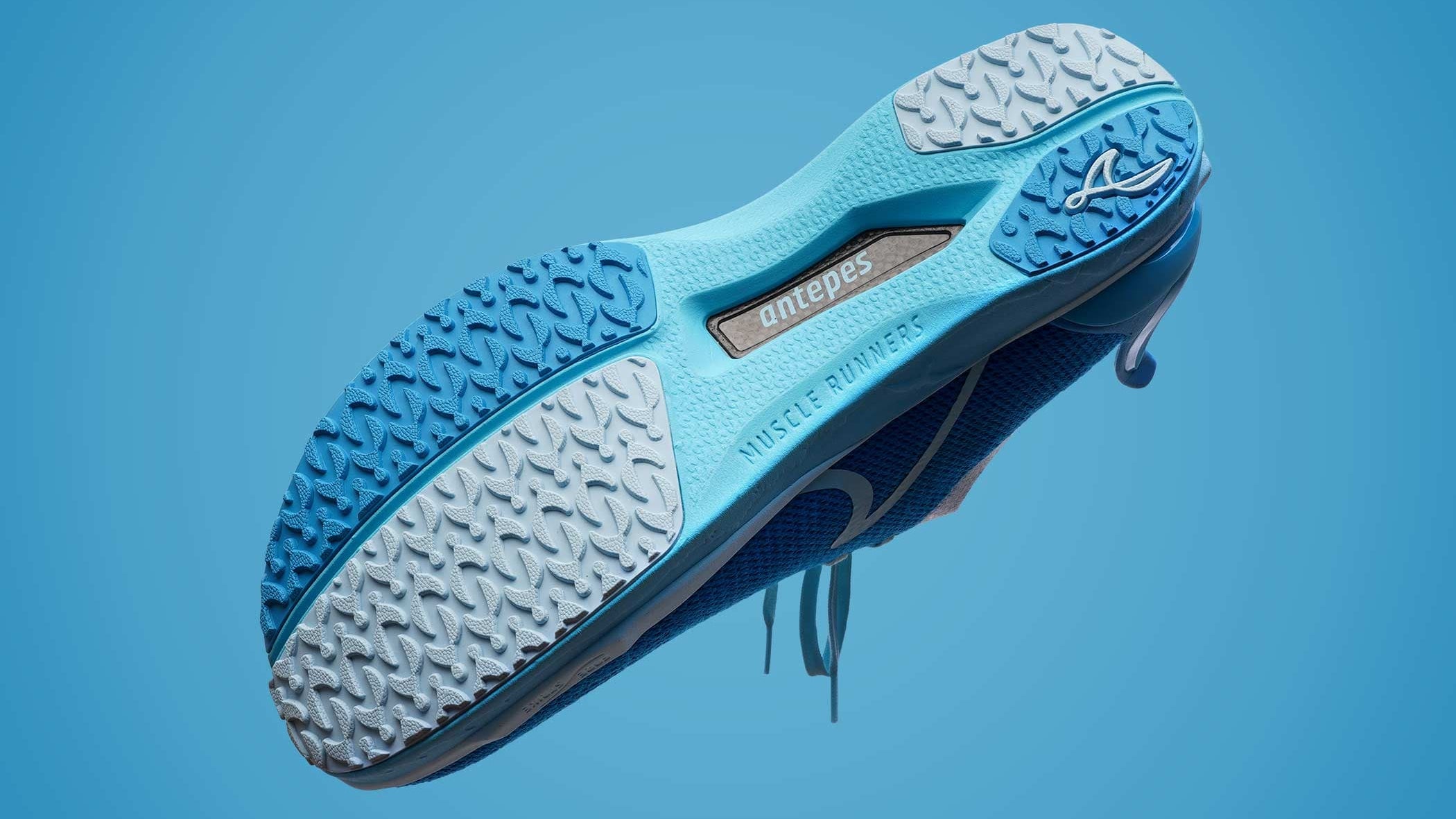
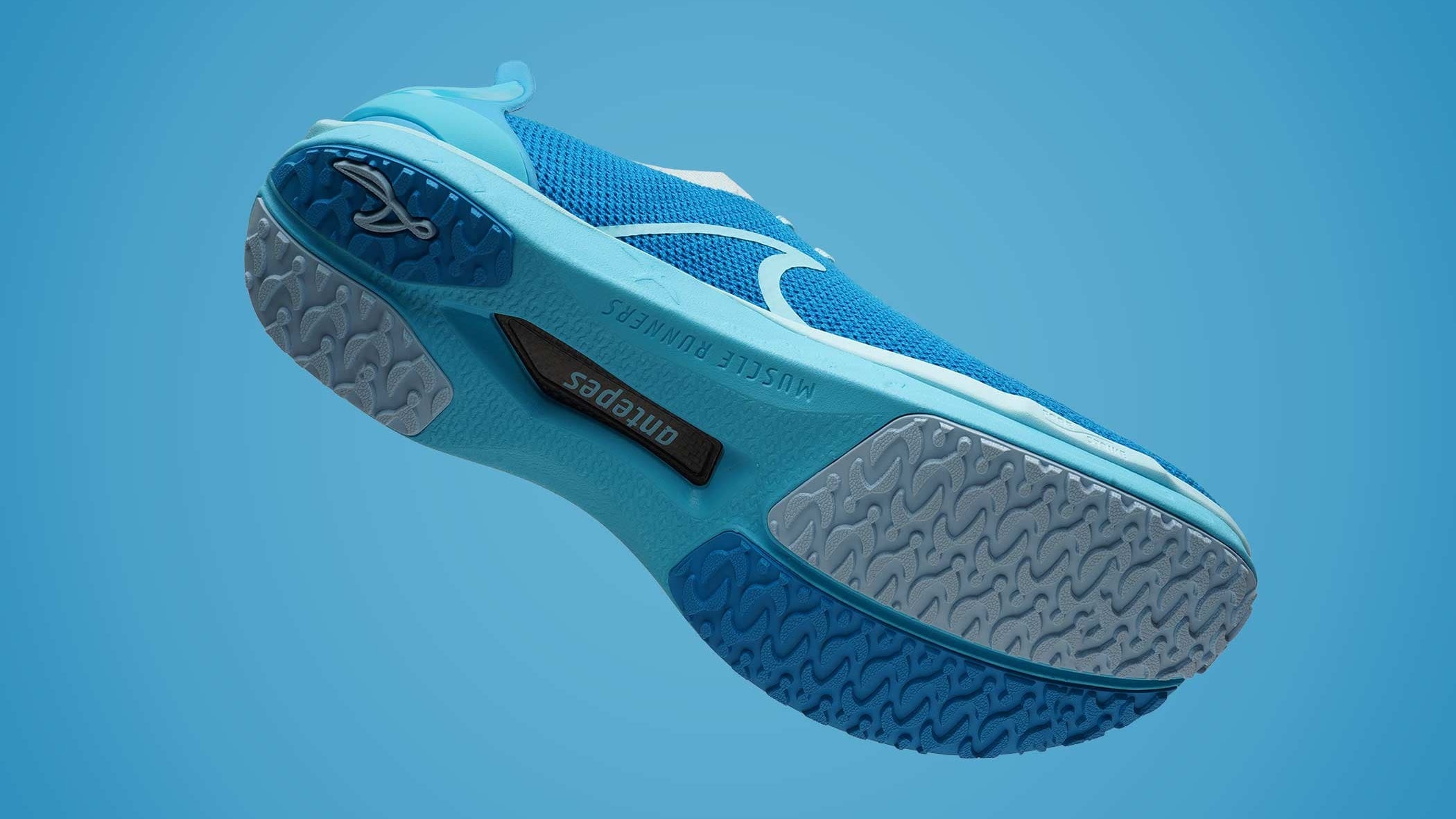
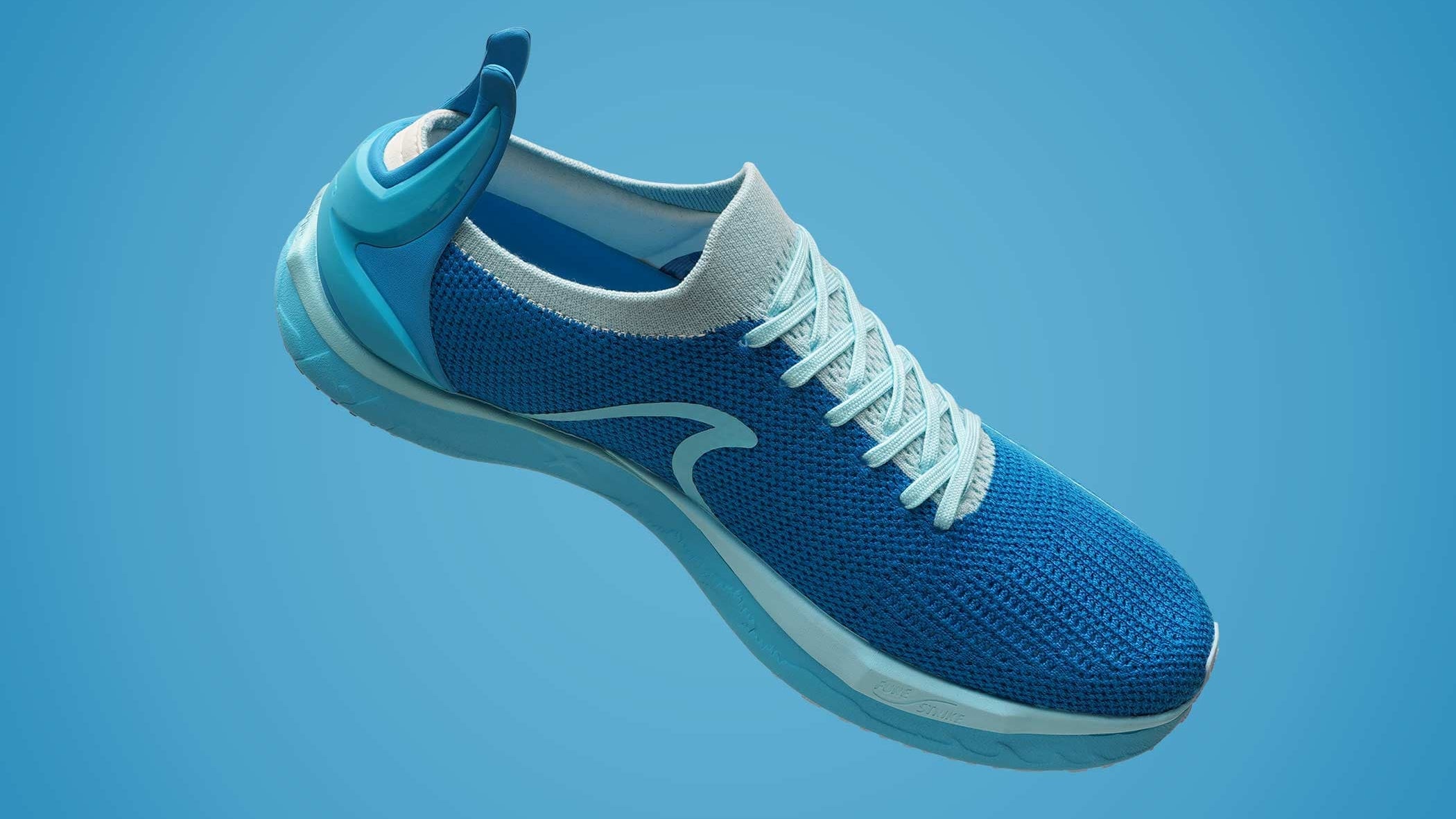
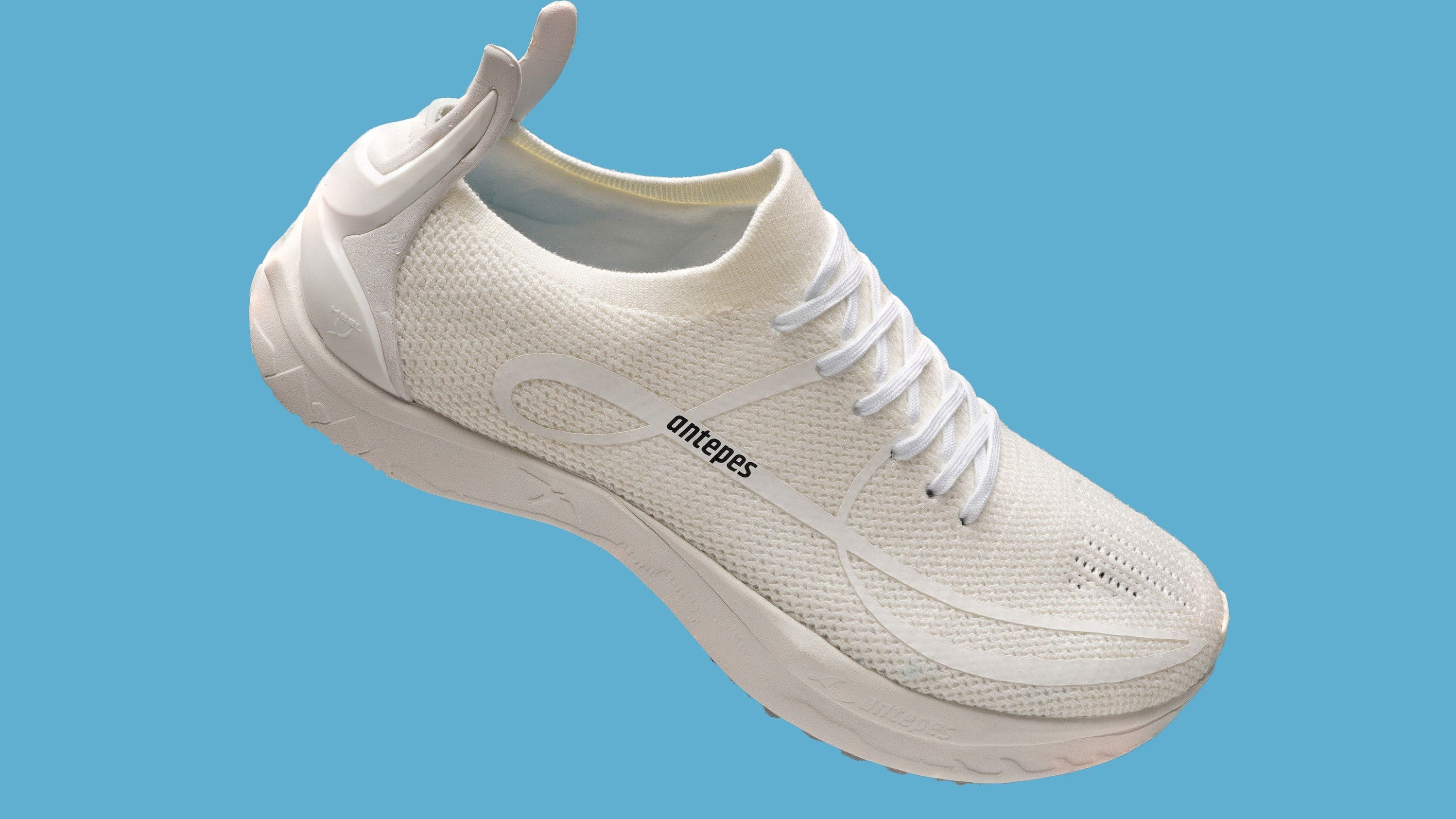
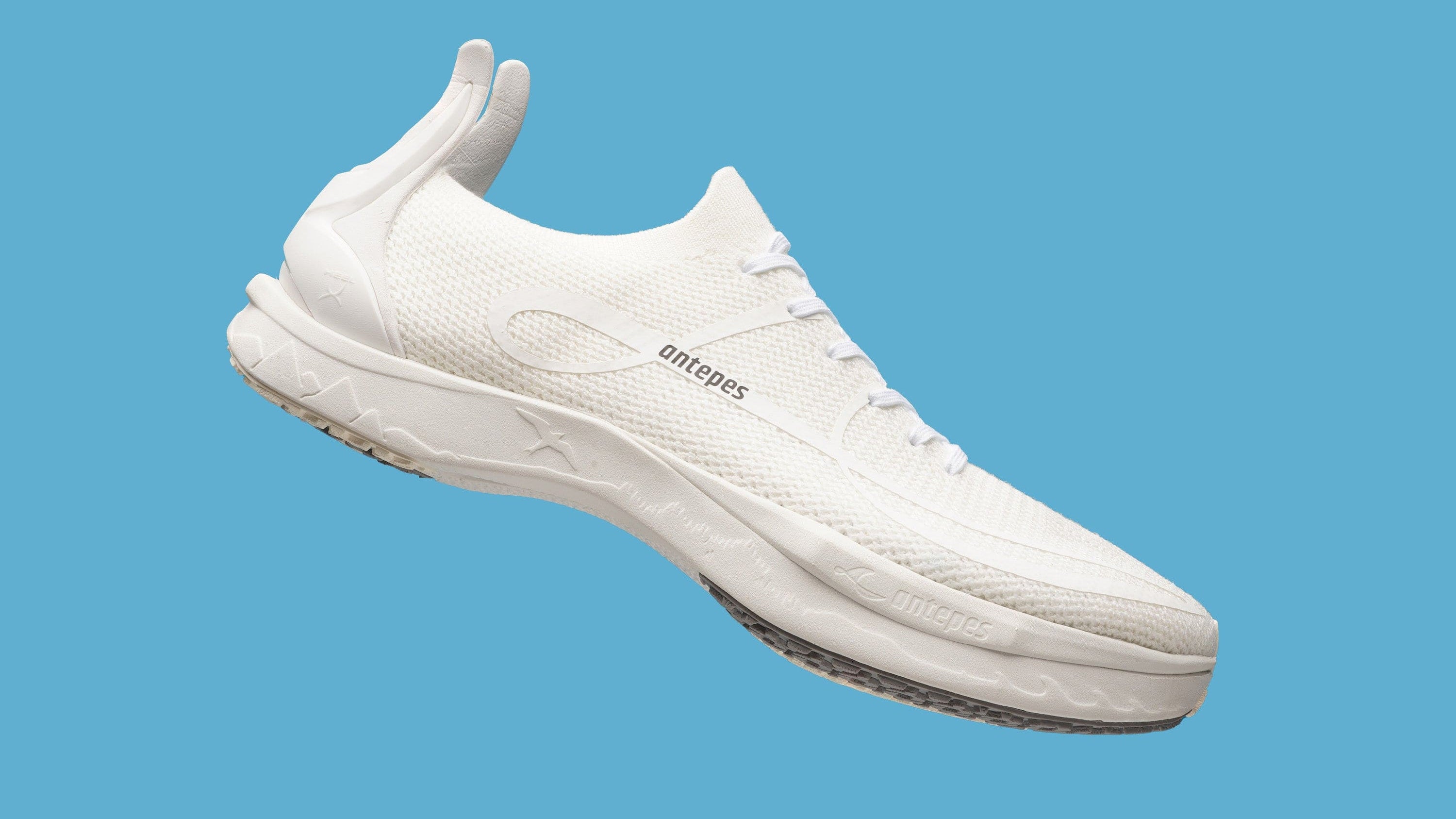
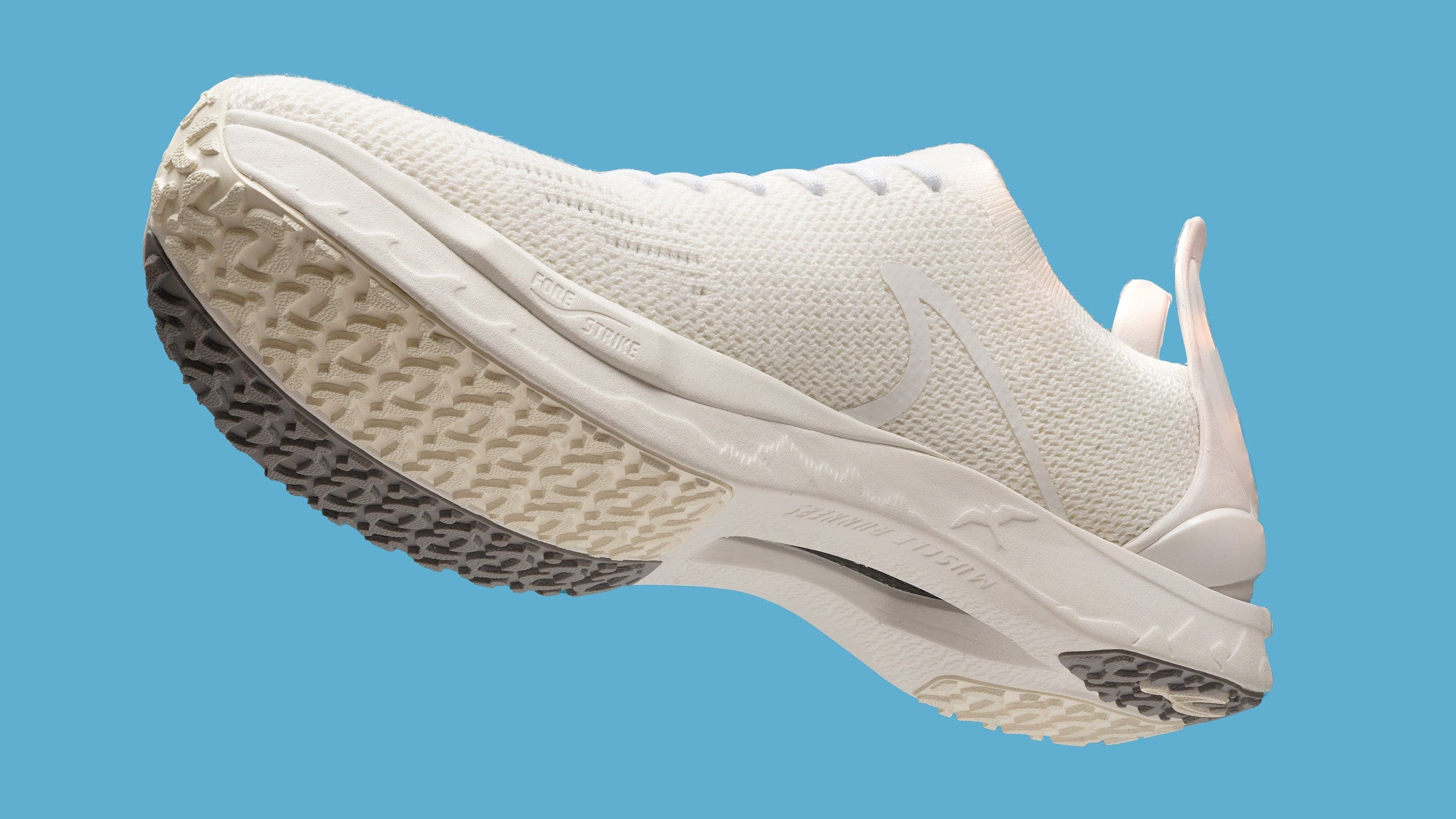
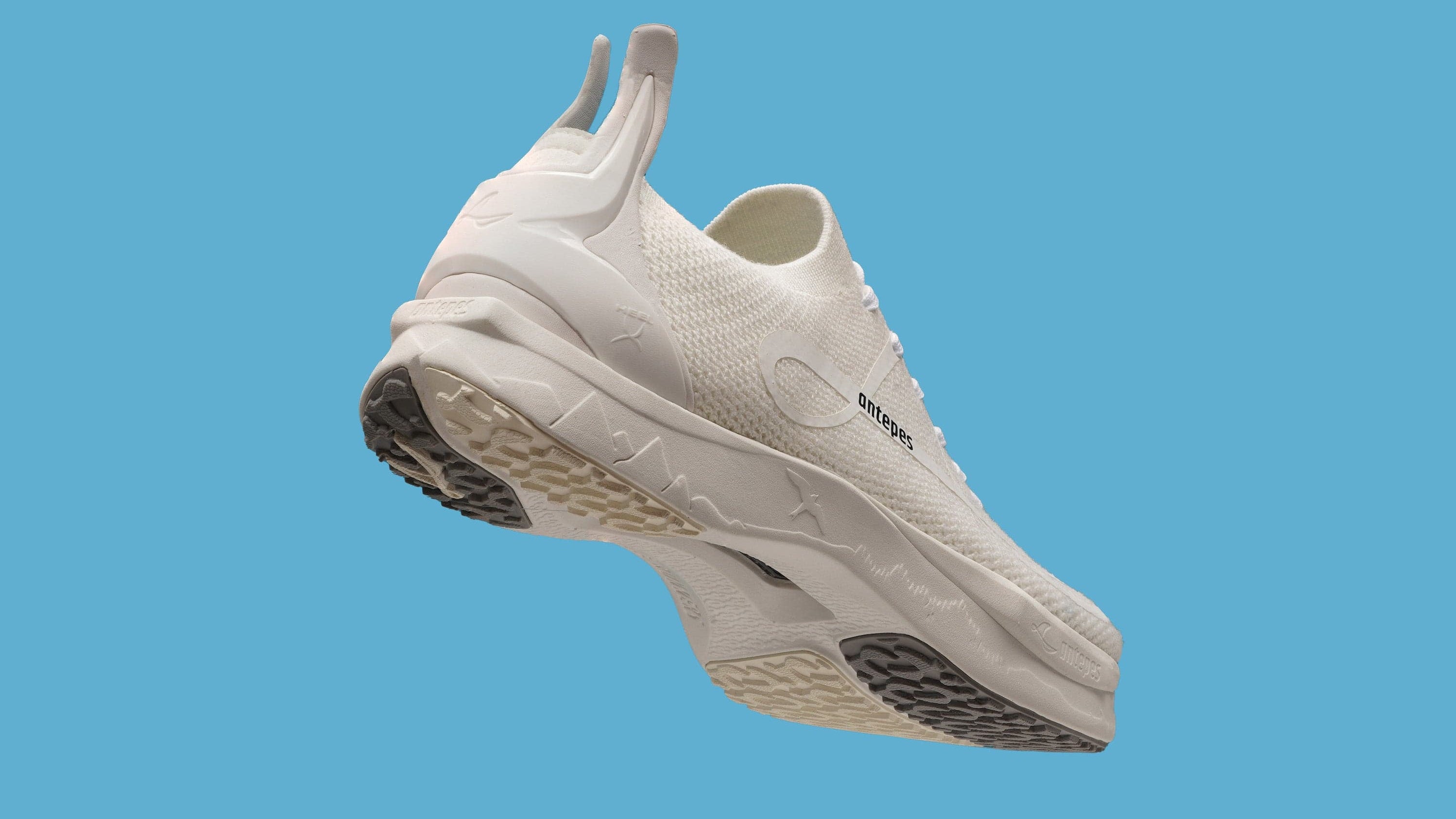
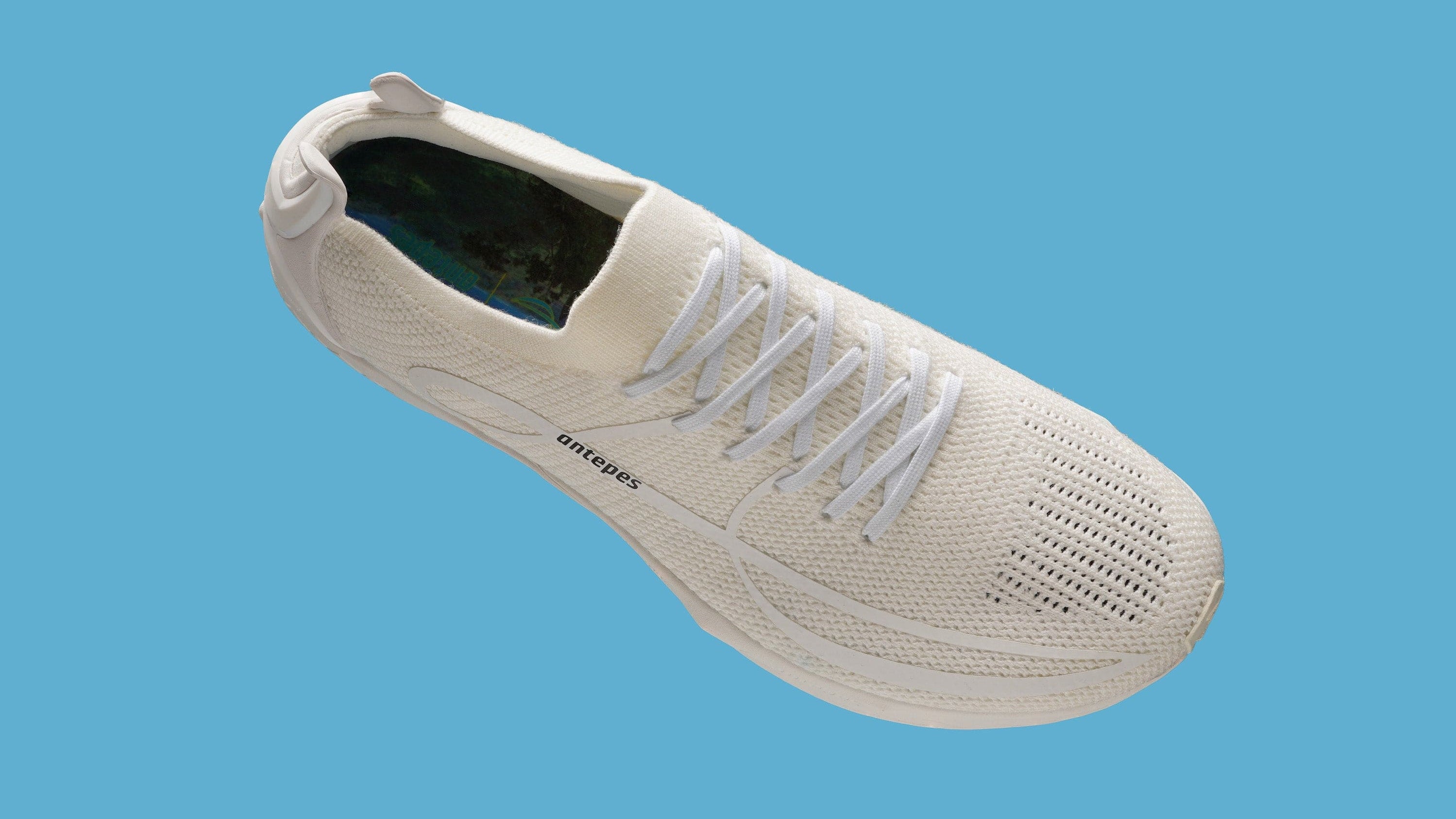
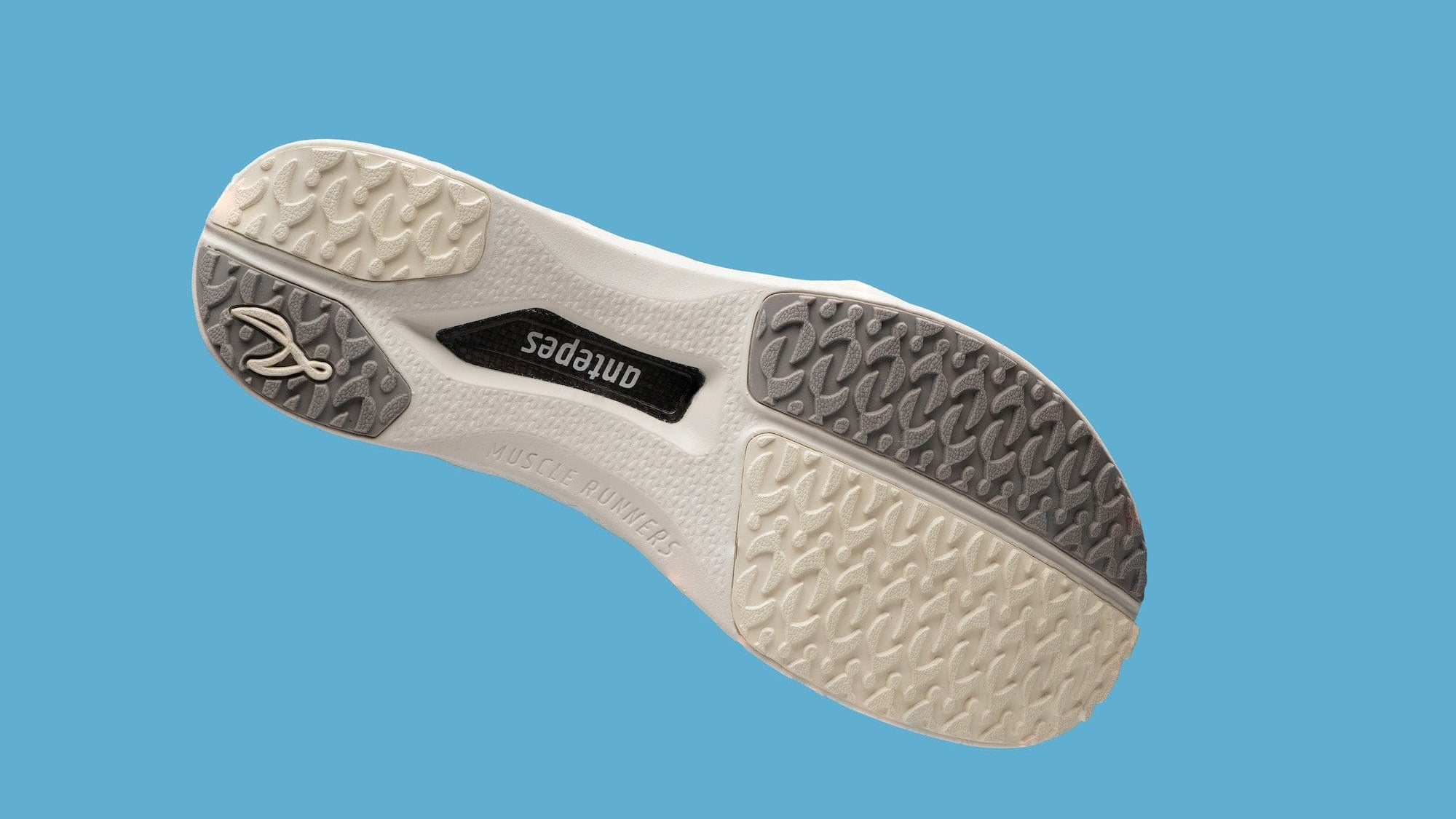
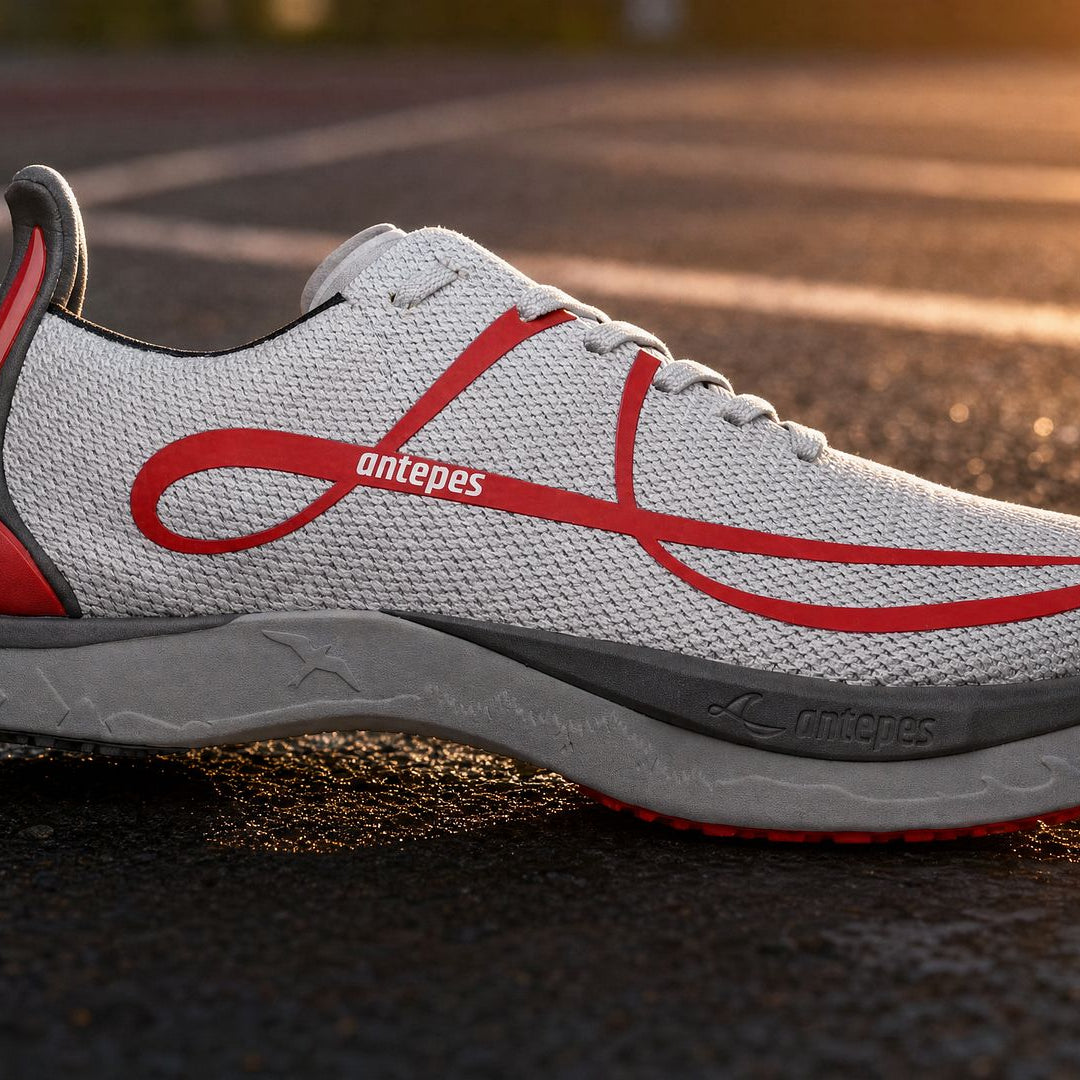
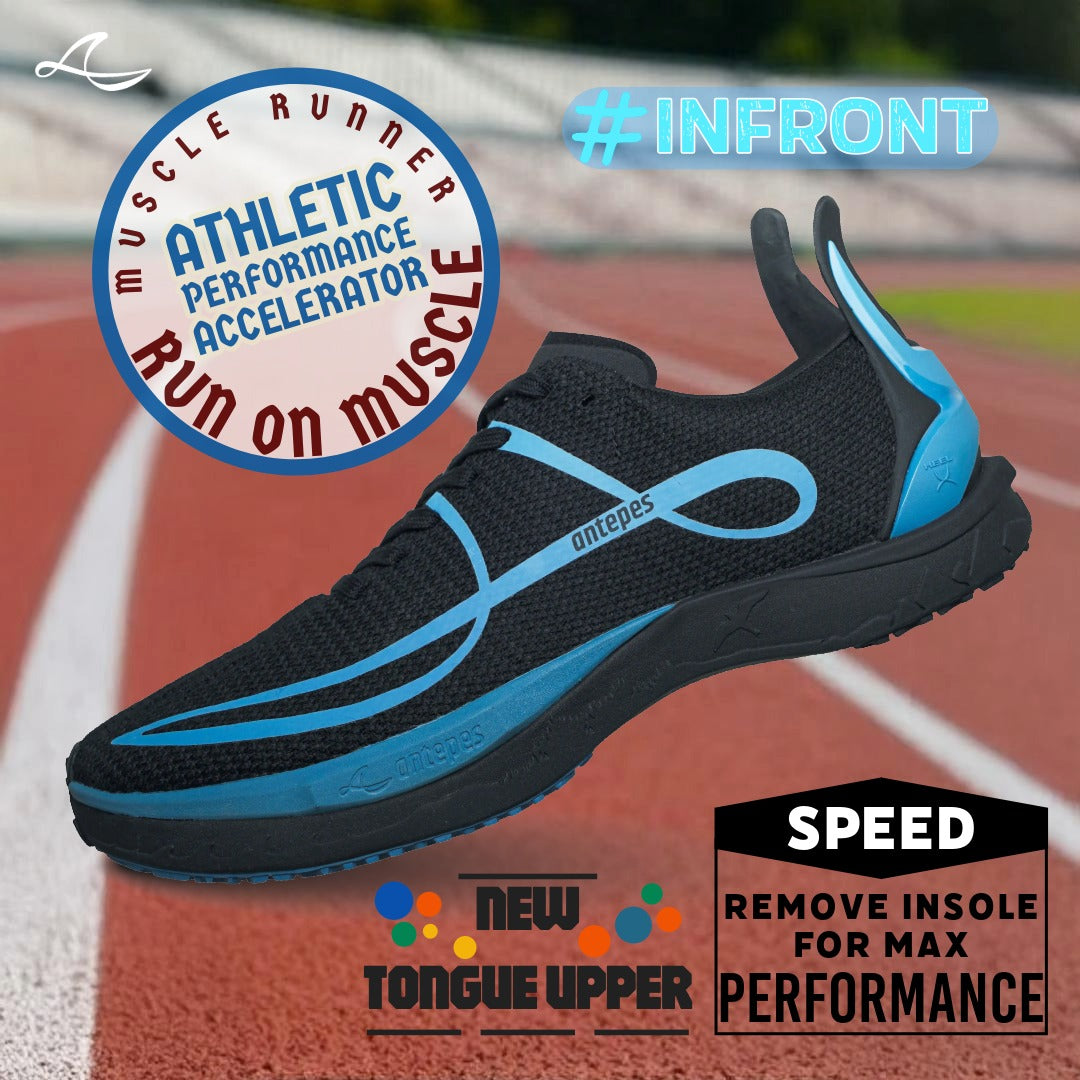





With their huge importance for all forms of locomotion it’s a wonder why many athletes fail to specifically strengthen their feet. Indeed, this neglect was part reason for the design and introduction of Muscle Runners. The shoe’s built-for-speed improvement design goal is also matched by their designed-to-strengthen the foot muscles goal.
Our feet, as we have indicated in previous posts, are a complex structure. There are 29 muscles and 26 bones in each and over 100 ligaments and 19 tendons. The Achilles tendon, for example, acts very much like a spring which deforms and recoils on every impact from walking to sprinting. Our arch does a very similar job and works in conjunction with the toes to also absorb, produce and transfer power.
In this respect the MTP (metatarsophalangeal) joints of our toes and in particular the big toe are vital.
Strength coaches and sports coaches will often prescribe exercises which target the foot. These may include plyometrics, such as straight leg jumps (“pogos”) and various sprint drills sometimes done barefoot. These are great options.

However, sports science also suggests that we should also be doing very specific to the foot structure alone exercises. The former (pogo jumps and barefoot sprint drills) would fall under the banner of extrinsic foot exercises. This is because although they work the foot’s various soft tissue, they also involve other lower limb soft tissue.
So, a pogo jump would also utilise the various calf and shin muscles and Achilles tendon, for example, in producing the jump power.
So, what exercises are there to specifically target the foot’s intrinsic soft tissue – that which is situated completely within the foot?

Just like any other part of the body being trained the foot can be targeted – concentrically, isometrically, eccentrically and plyometrically.
In this post we will primarily consider isometric exercises.
We regularly recommend that you prepare and continually train your feet to get the most from our speed shoes. With their unique design including, for example, their dual density carbon fibre plate ForeSpring™ technology, they will really activate the intrinsic (and extrinsic) muscles of the foot.
Why do you need good feet?
Elite jumps coach John Shepherd explains:

“You want the foot to, for want of a better way of putting it, to tighten as you pass from foot-strike to toe off. In doing this the intrinsic foot muscles are vital as they create the arch (strengthen and stiffen) and then direct the big toe to more optimally create “toe off … whilst controlling pronation… . The stiffness of the big toe improves as a consequence, so we get a better firing sequence.”
He adds referencing some of his jump training group that some have flat feet:
“When they attempted to raise their arch they couldn’t do it … and you could see the foot pronate and the tibia normally internally rotate. This will wash off energy return if it happens when sprinting, for example.”
He went on to add that these were often the jumpers who were less able to engage their feet (and ankles) when doing low height stiff leg drop jumps, as an example. They had slower ground contact times and greater quadriceps activation. This also made them “heavier” when sprinting.
Short Foot Exercise
The short foot exercise is designed to isometrically target the foot. To do it you have to “control” the intrinsic muscles of your feet to elevate and shorten the foot.
The latter needs some explaining – the aim is to try to pull the ball of the foot toward the heel.
This is not easy and many will have never tried nor ever will try this challenging physical movement.
It’s recommended that you try these three progressions to learn short foot exercise:
- Passive mode (physical therapist manipulates the foot)
- Active-assisted mode (assistance is provided whilst the athlete attempts to move the foot accordingly)
- Active mode (athlete alone performs the movement)
This video explains how to try the exercise in active mode. Persevere it will take time for you to make the necessary neural and physical connections.
https://www.youtube.com/watch?v=z0-Vnmw2sxM
Other Isometric intrinsic foot exercises
Toe Spread Exercises
Here the objective is to lift the big toe whilst keeping the other four toes flat on the floor and vice versa. You can then hold each position for a number of seconds to develop isometric strength of the intrinsic foot muscles.
Of course, using your Muscle Runners will work both the intrinsic and extrinsic foot muscles. However, we believe that you also should supplement your training with specific foot strengthening exercises, such as those shown in this post and previous ones.