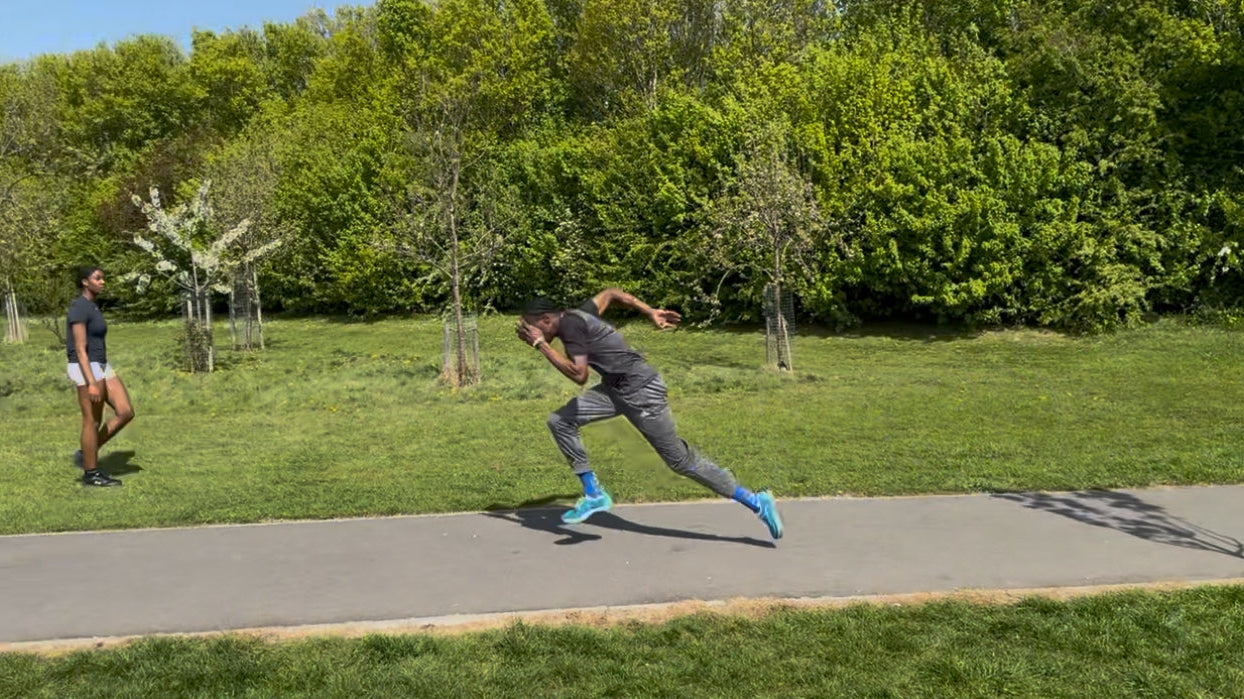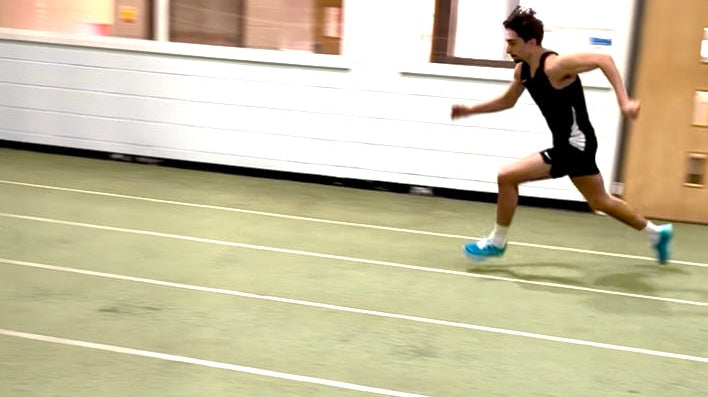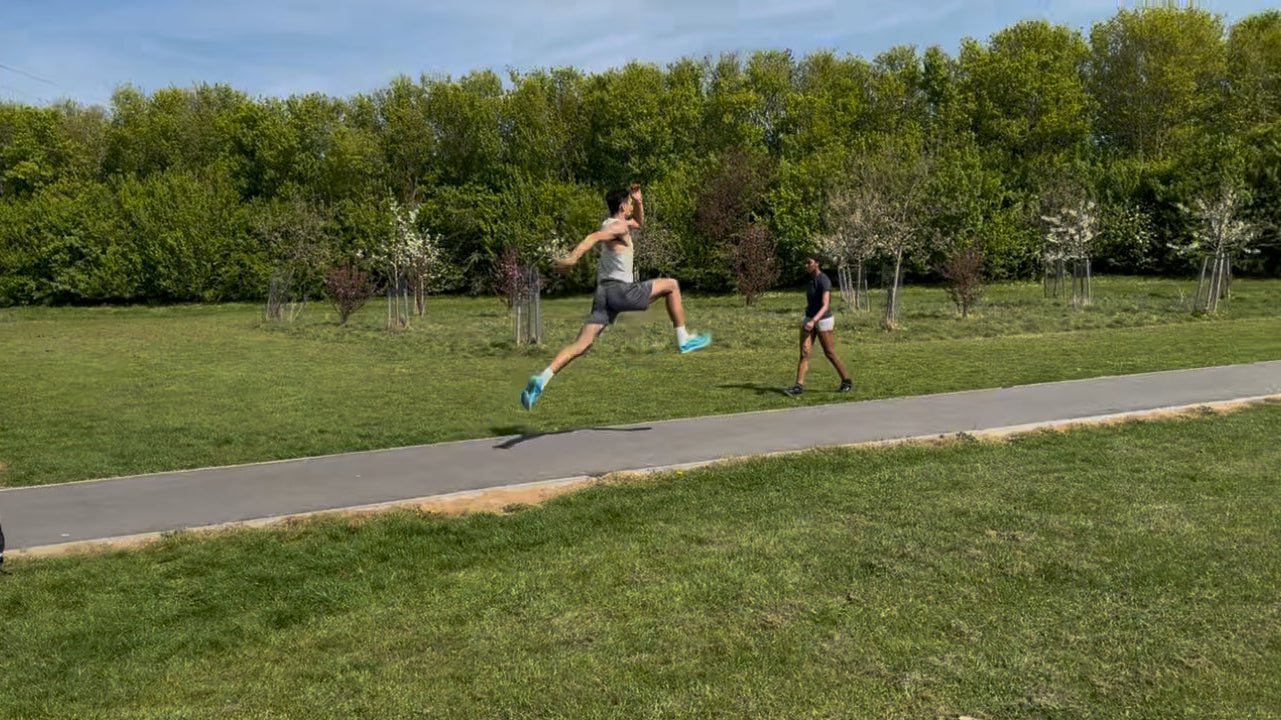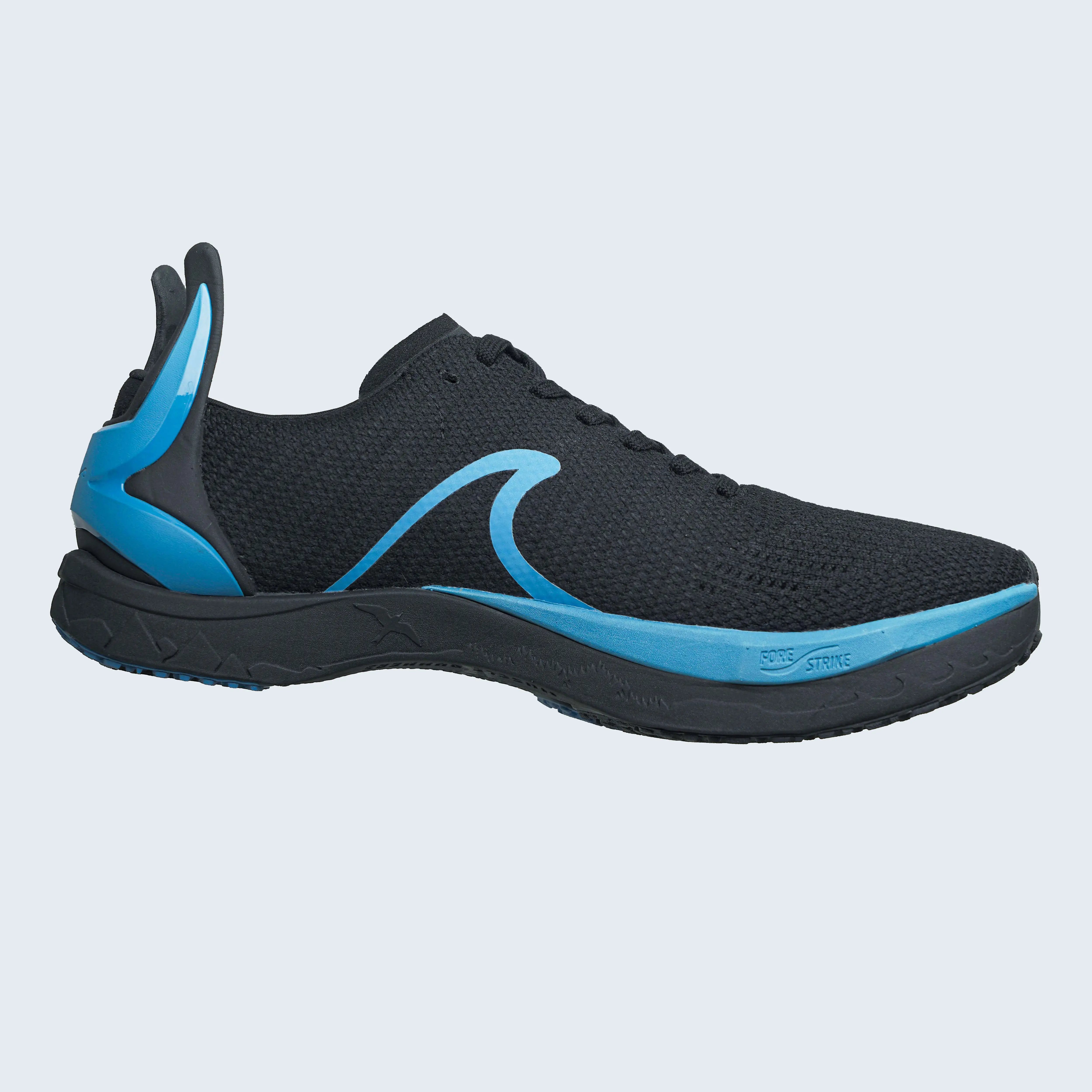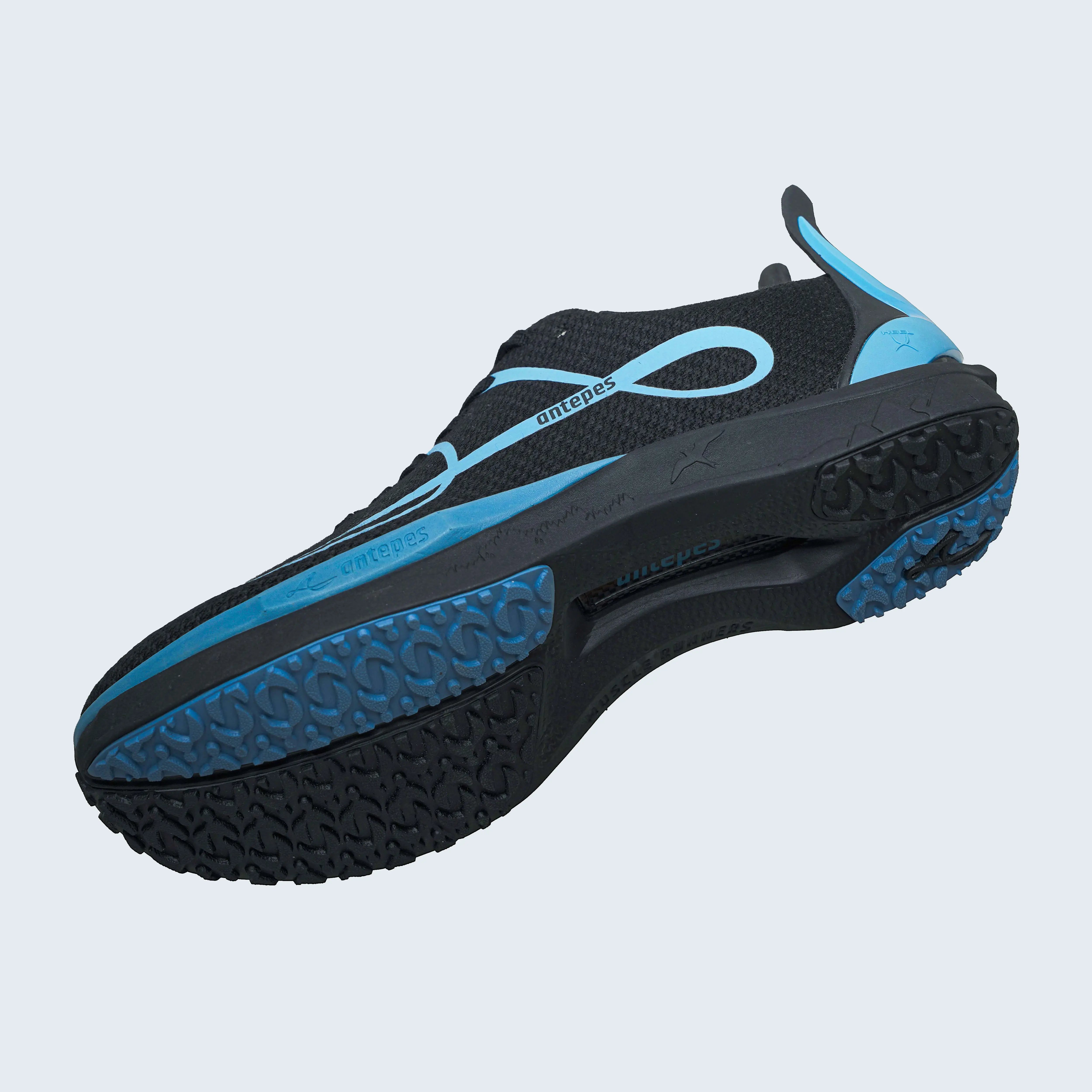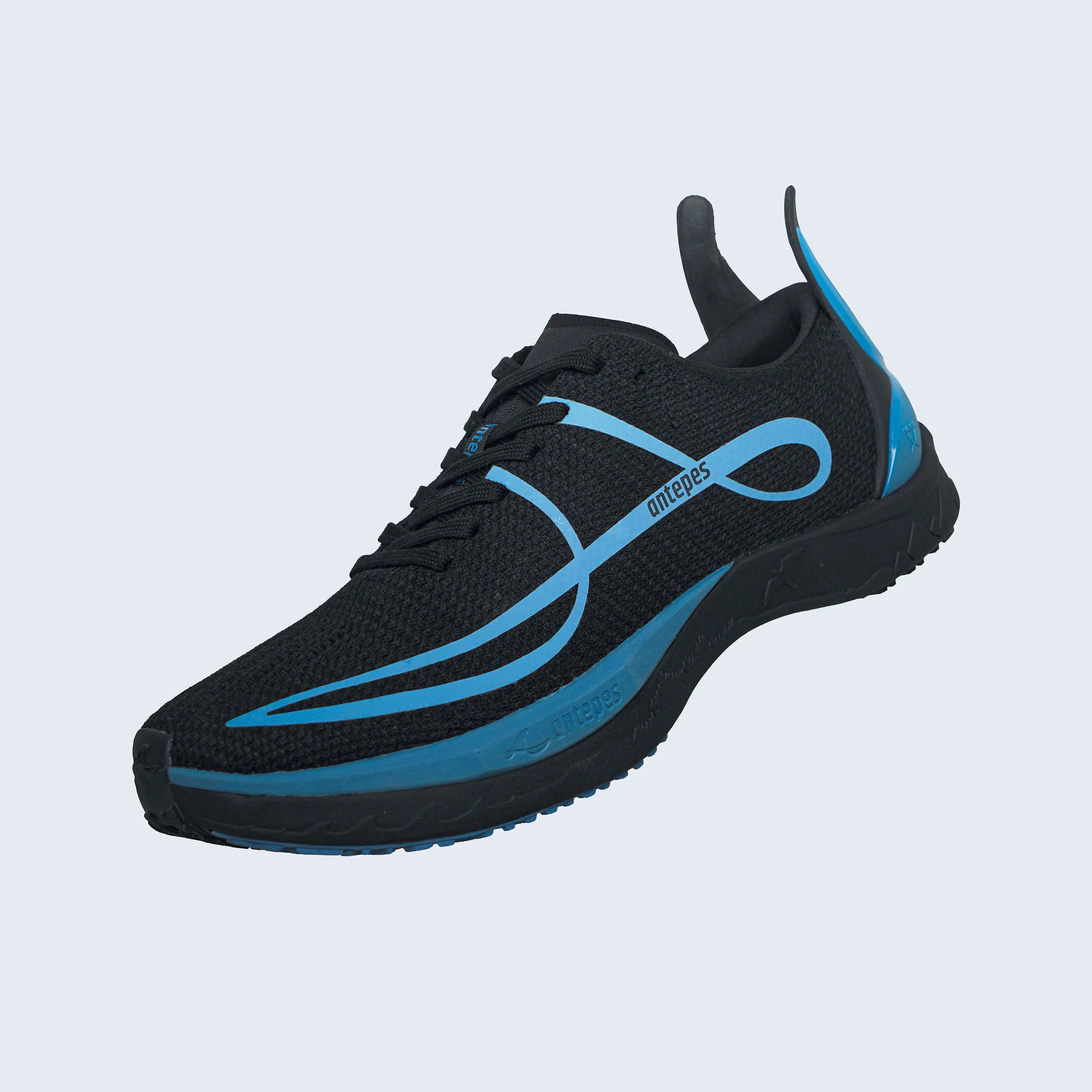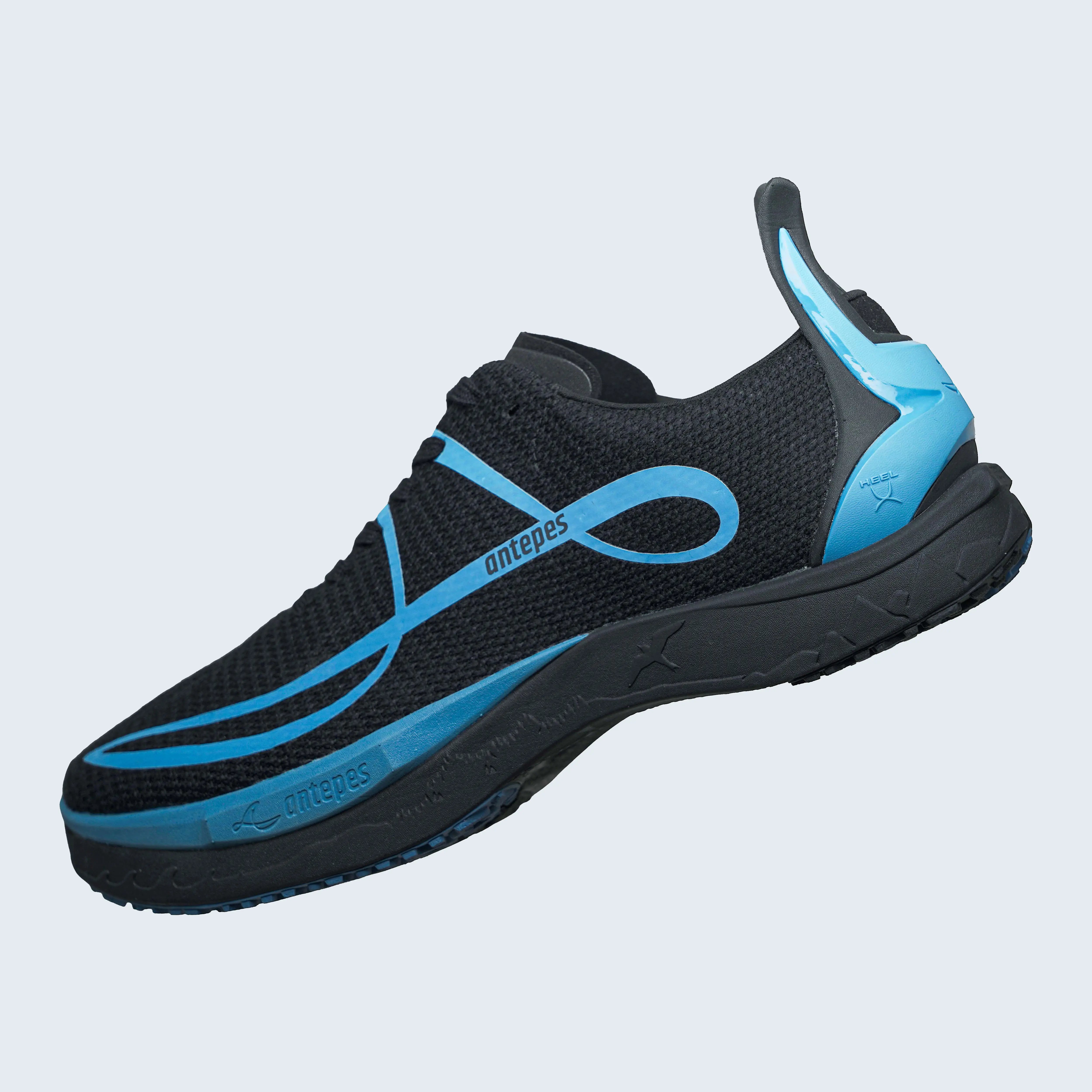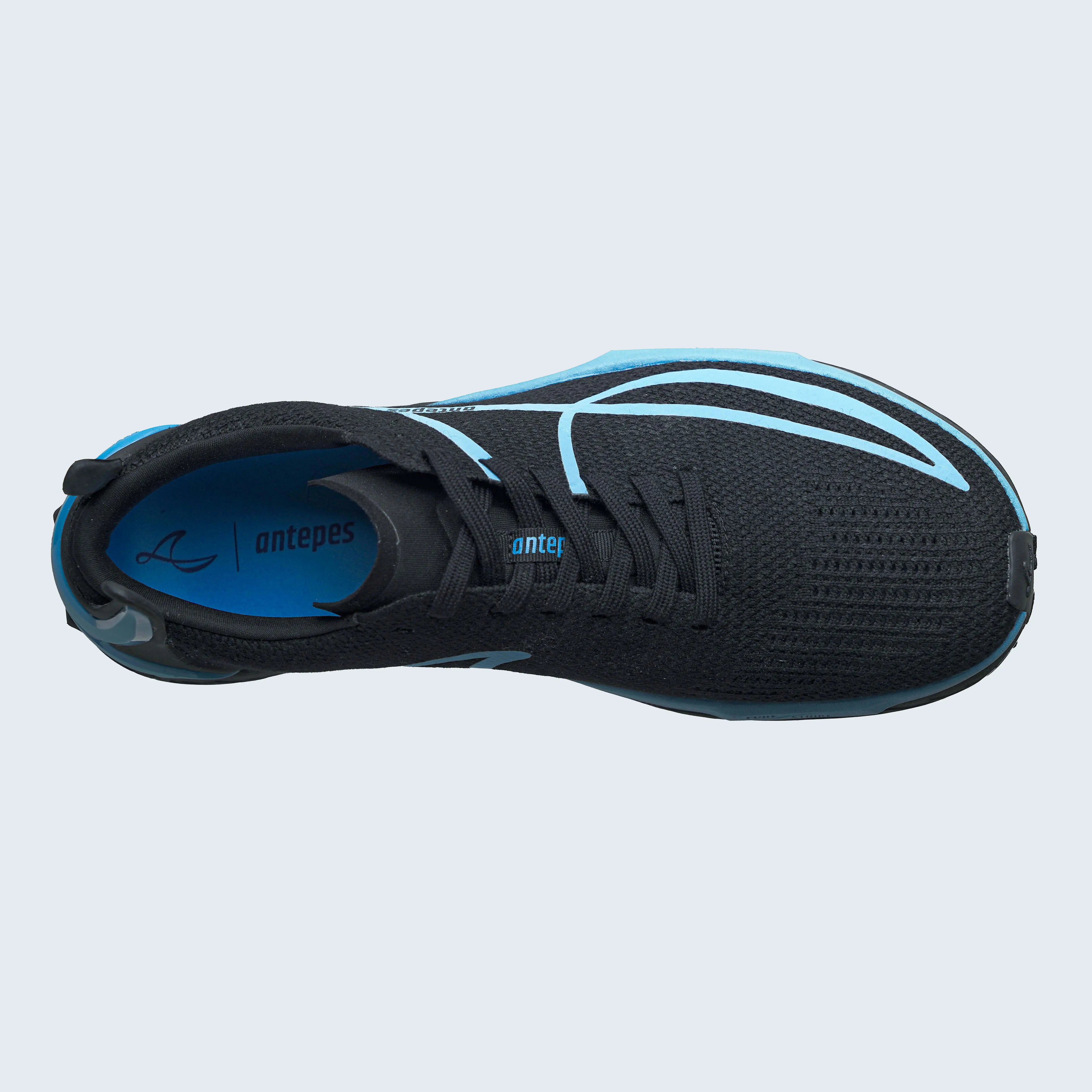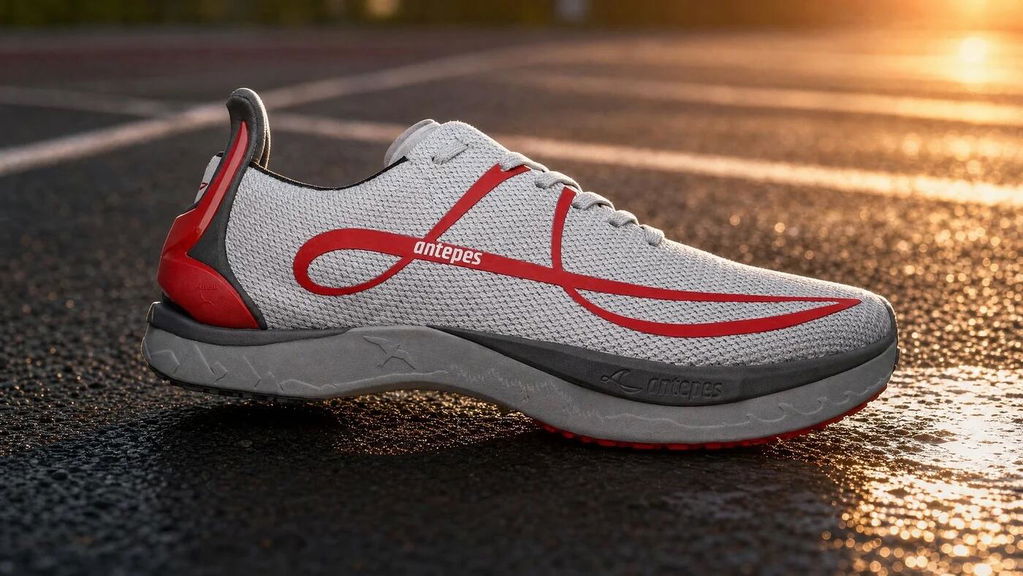
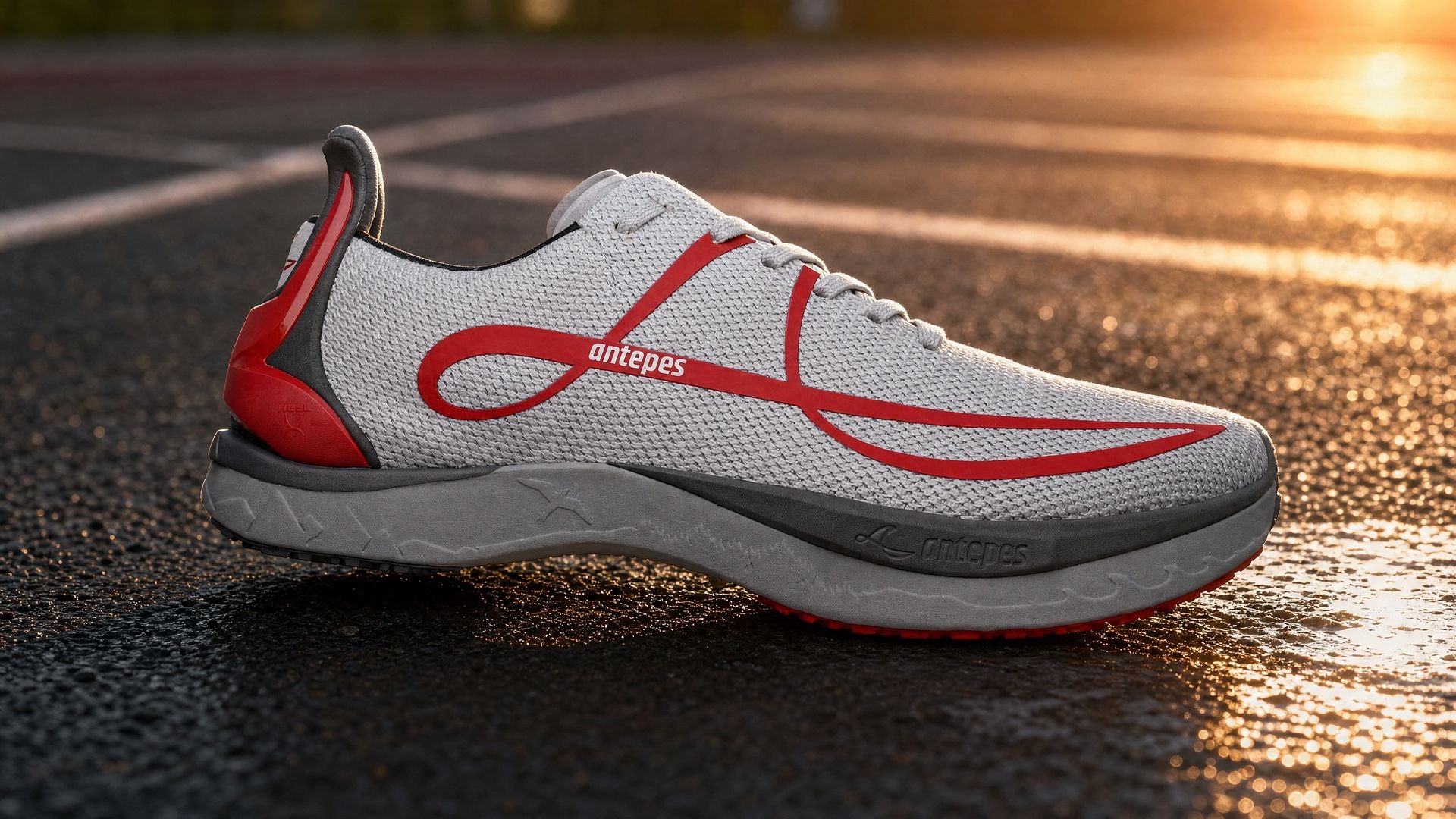
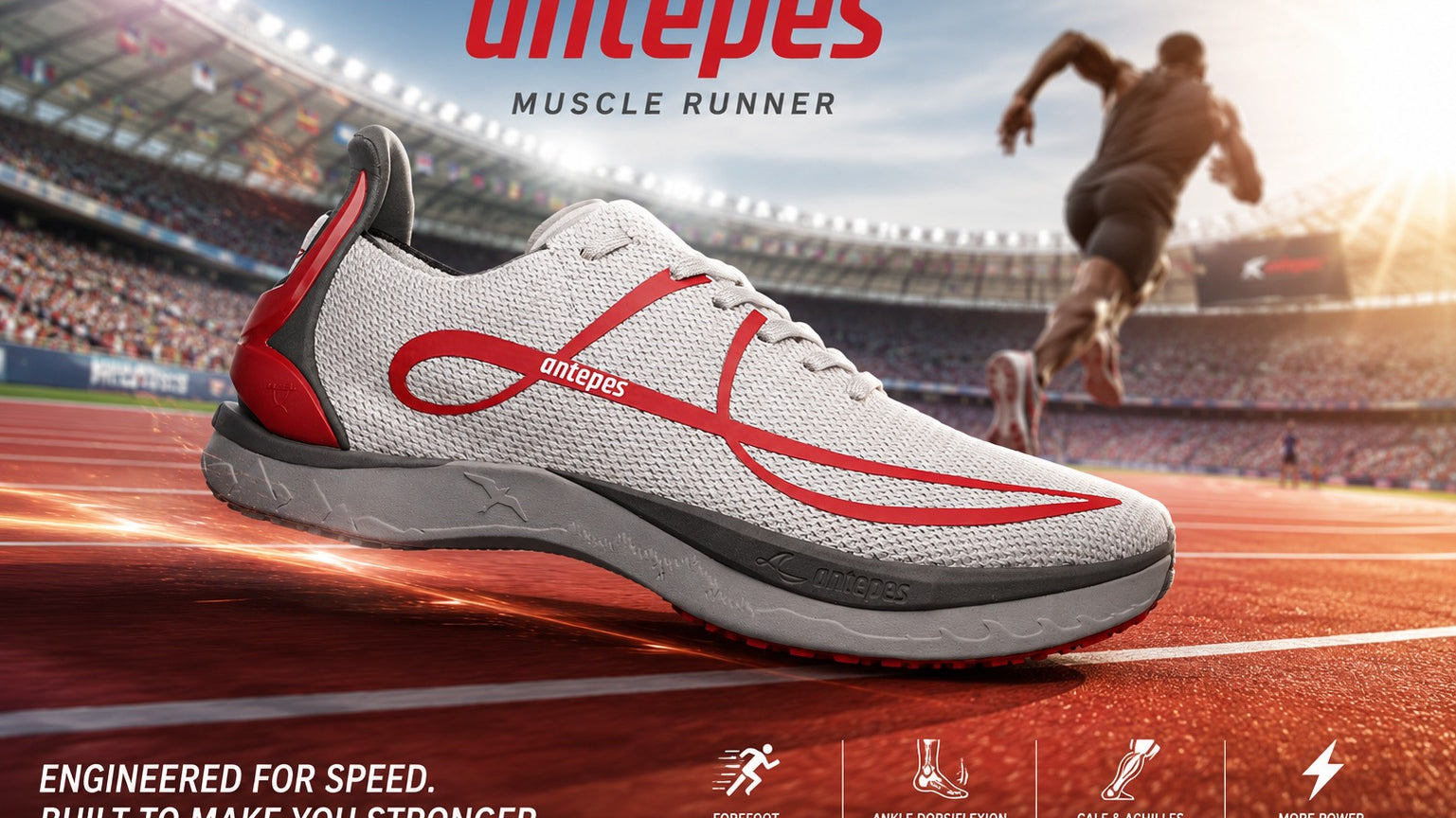
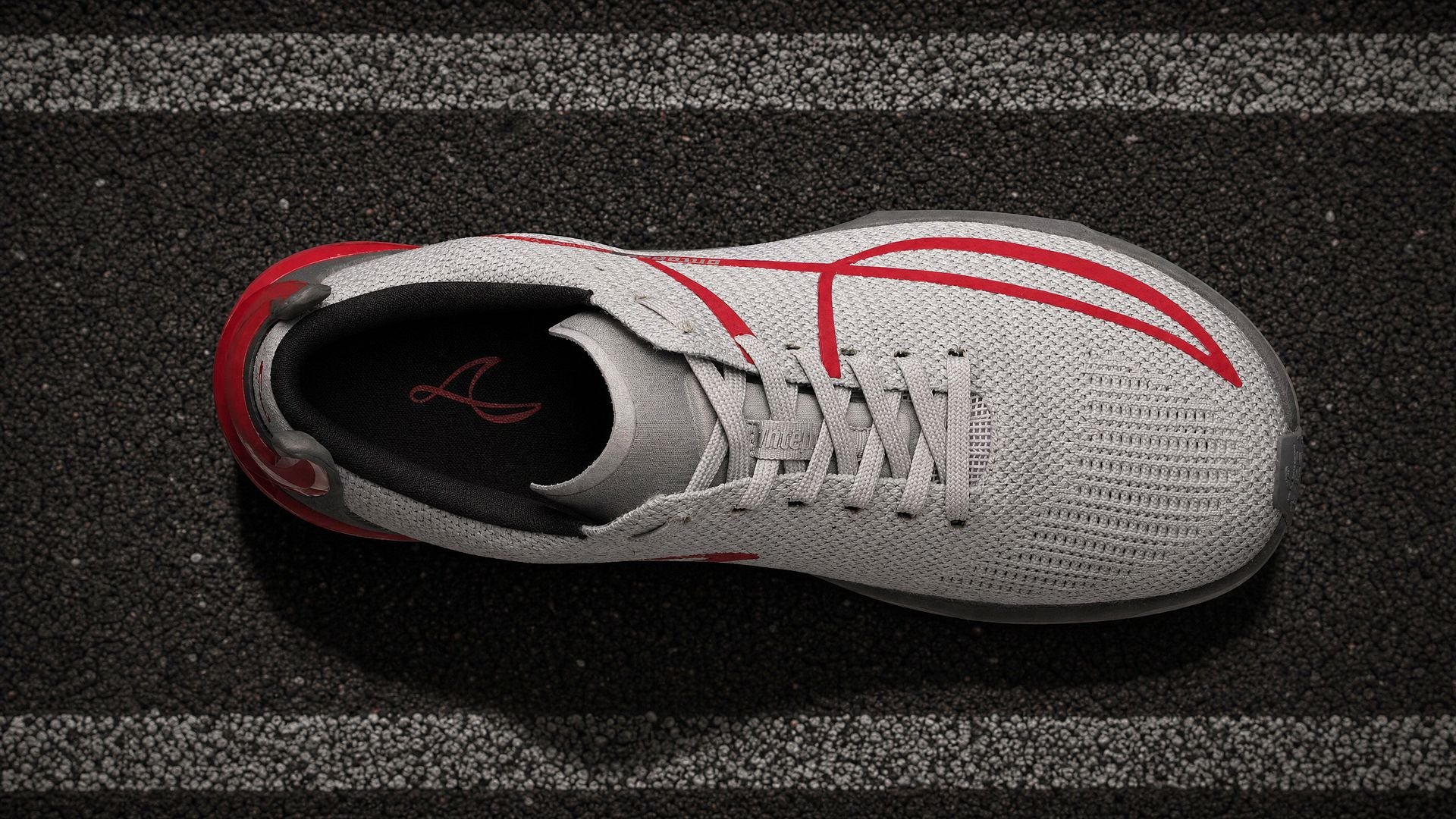
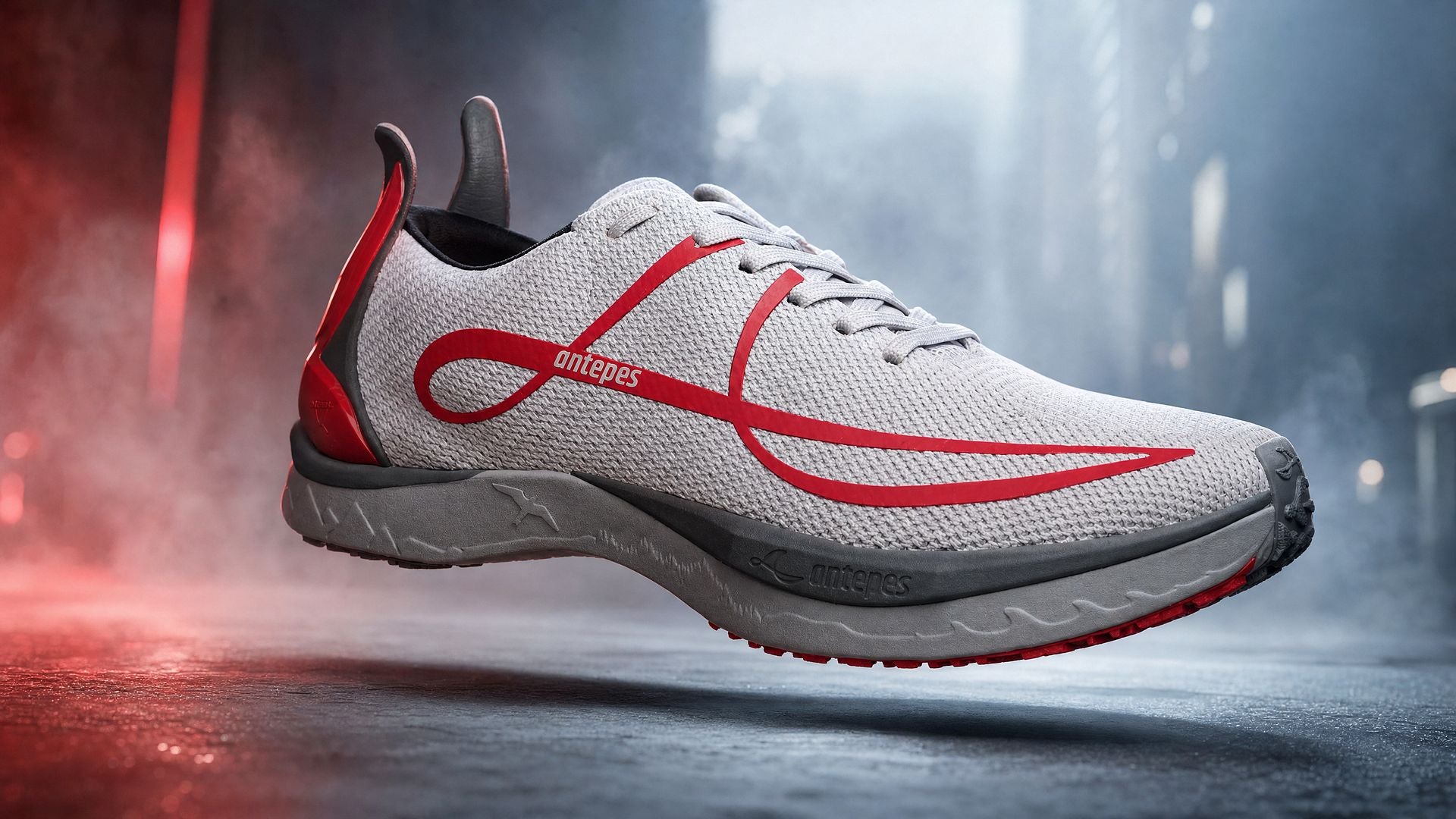
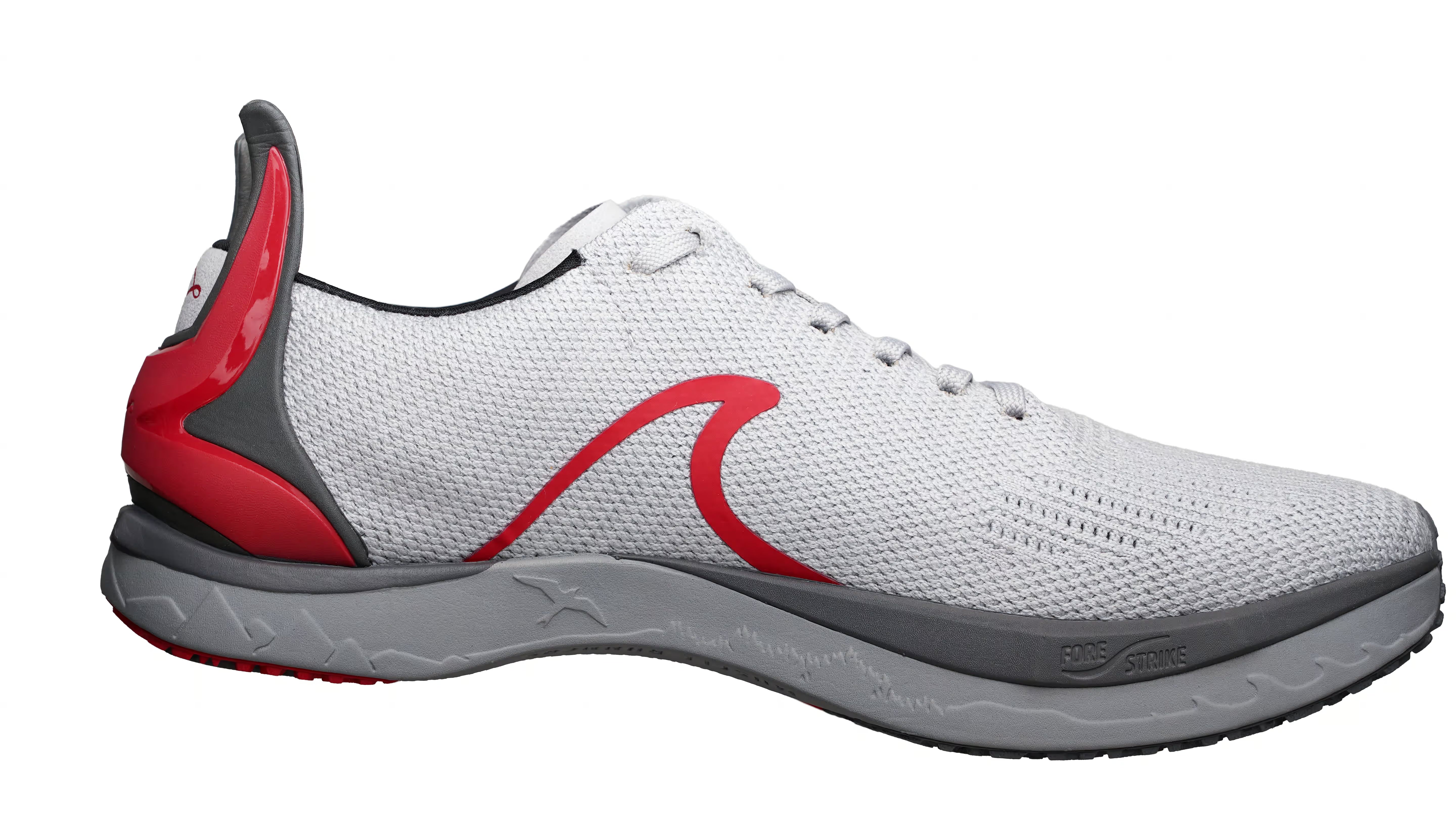
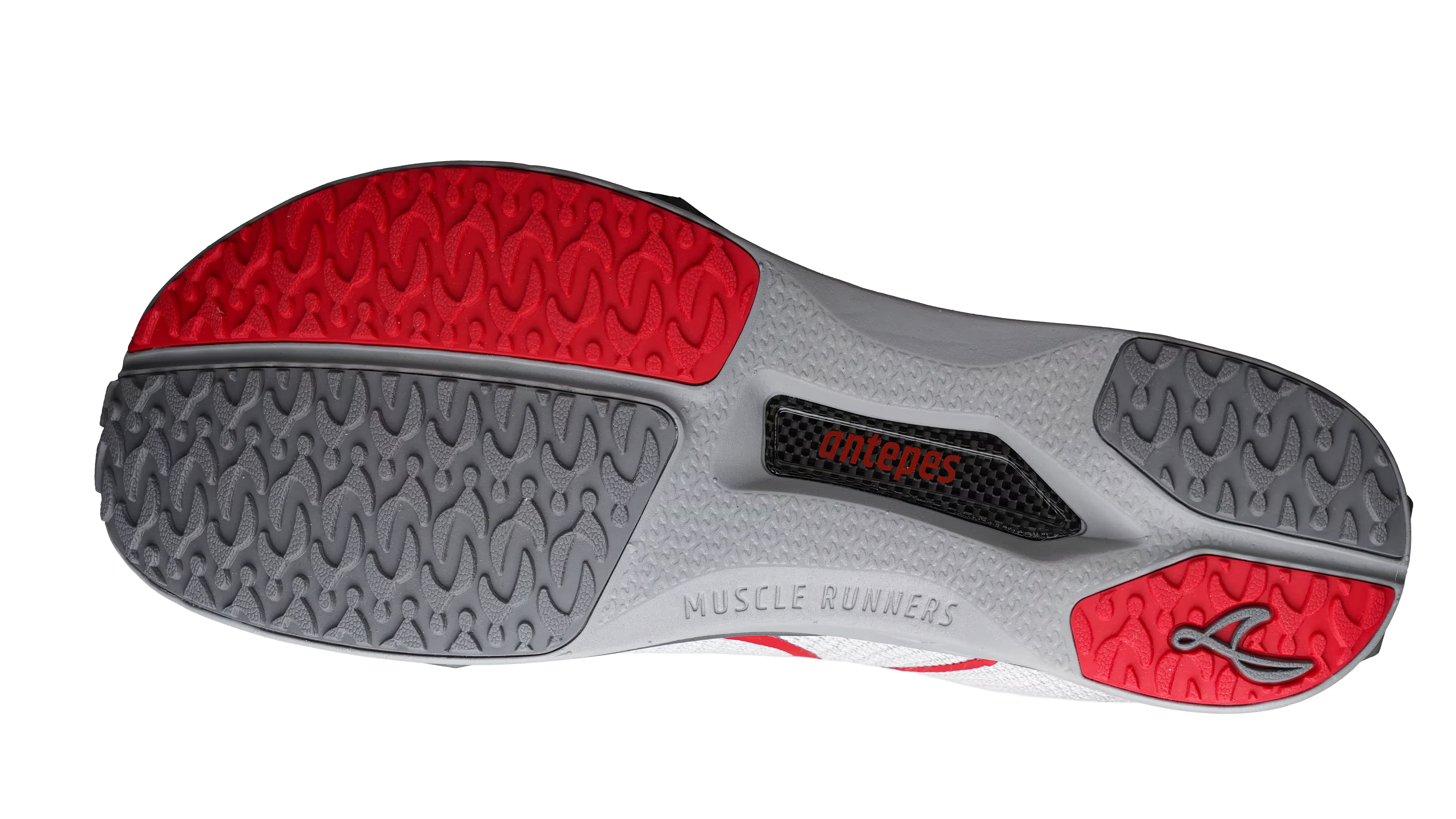
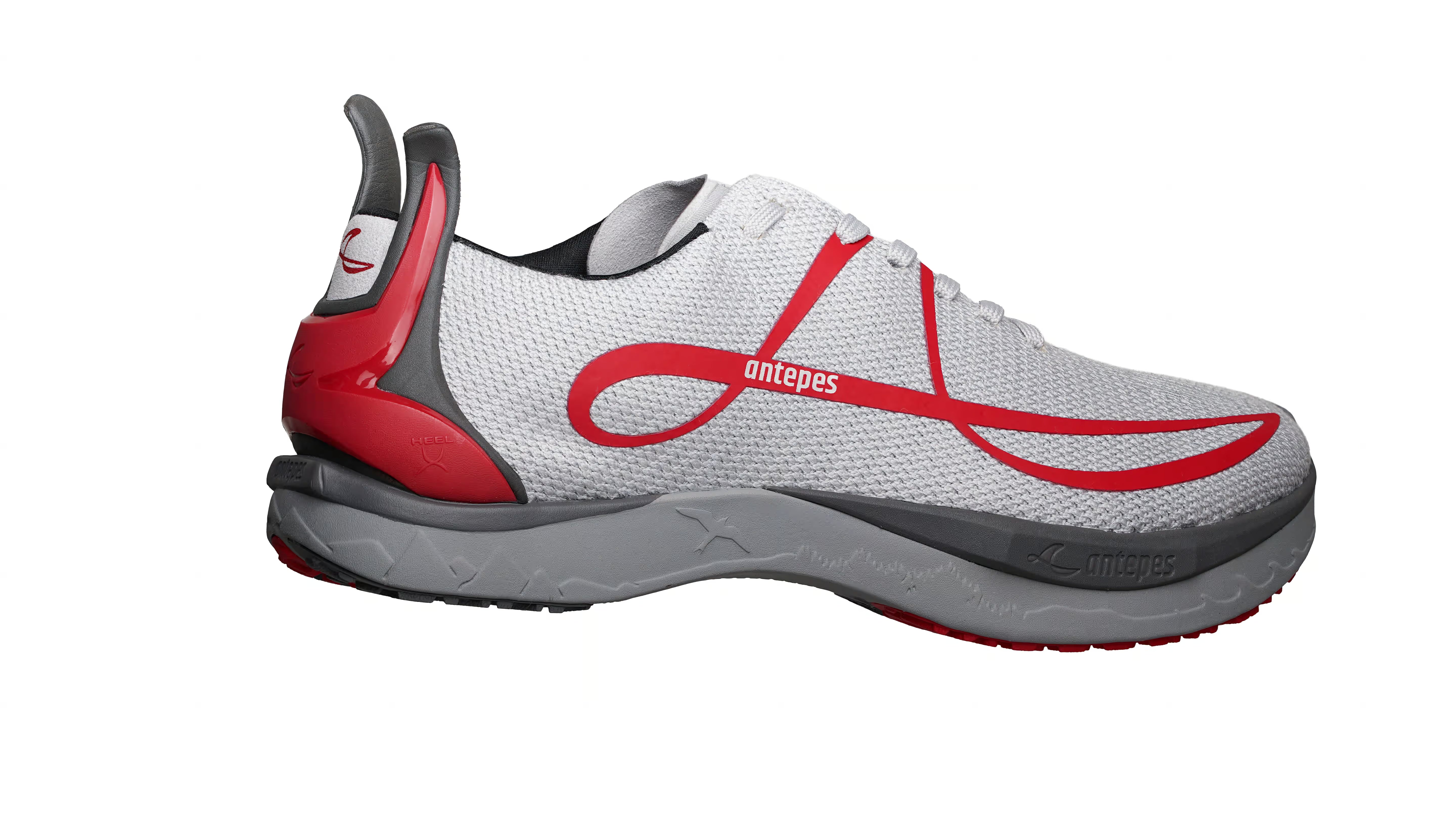
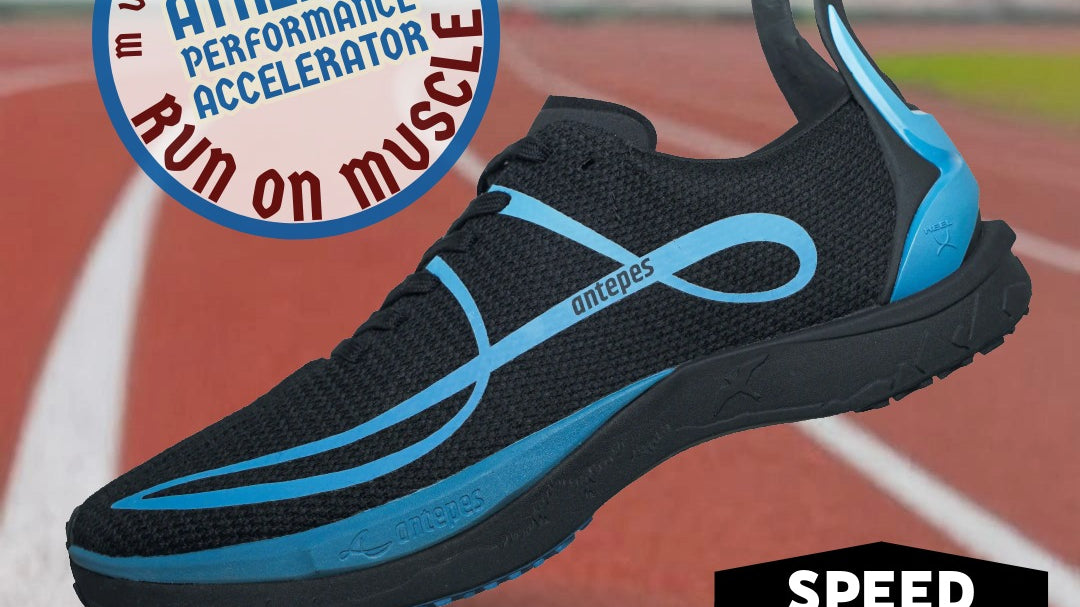

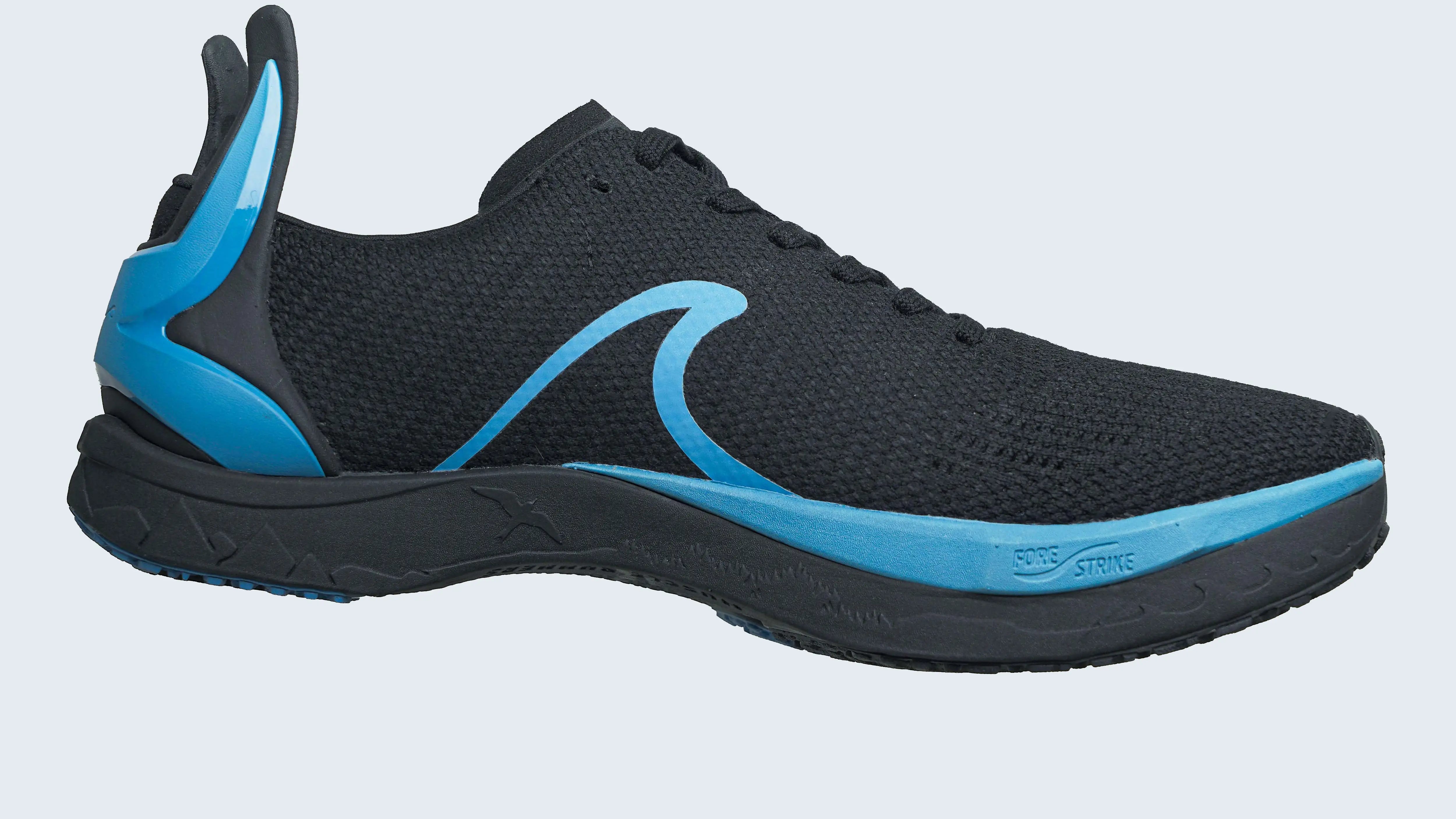
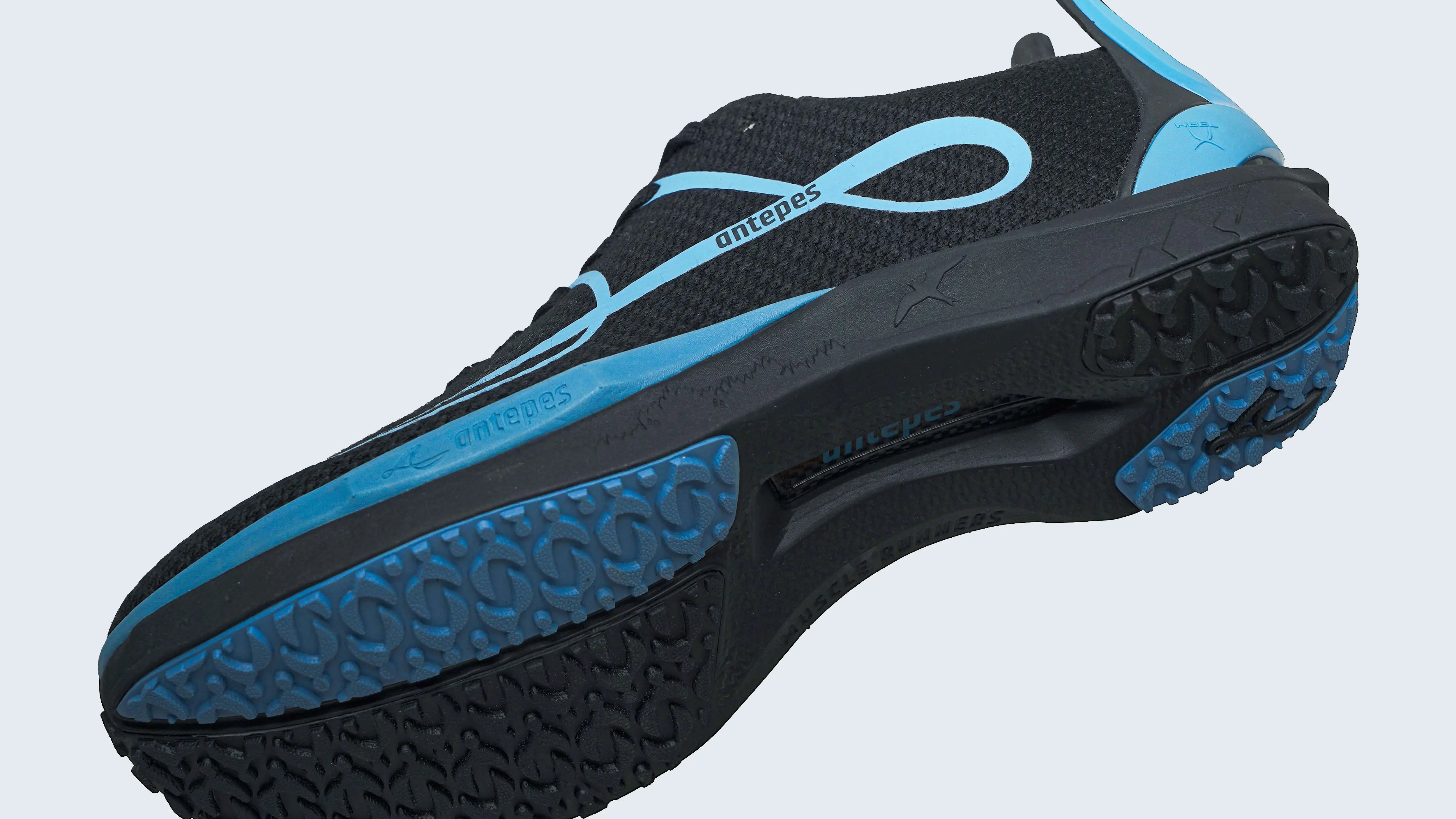
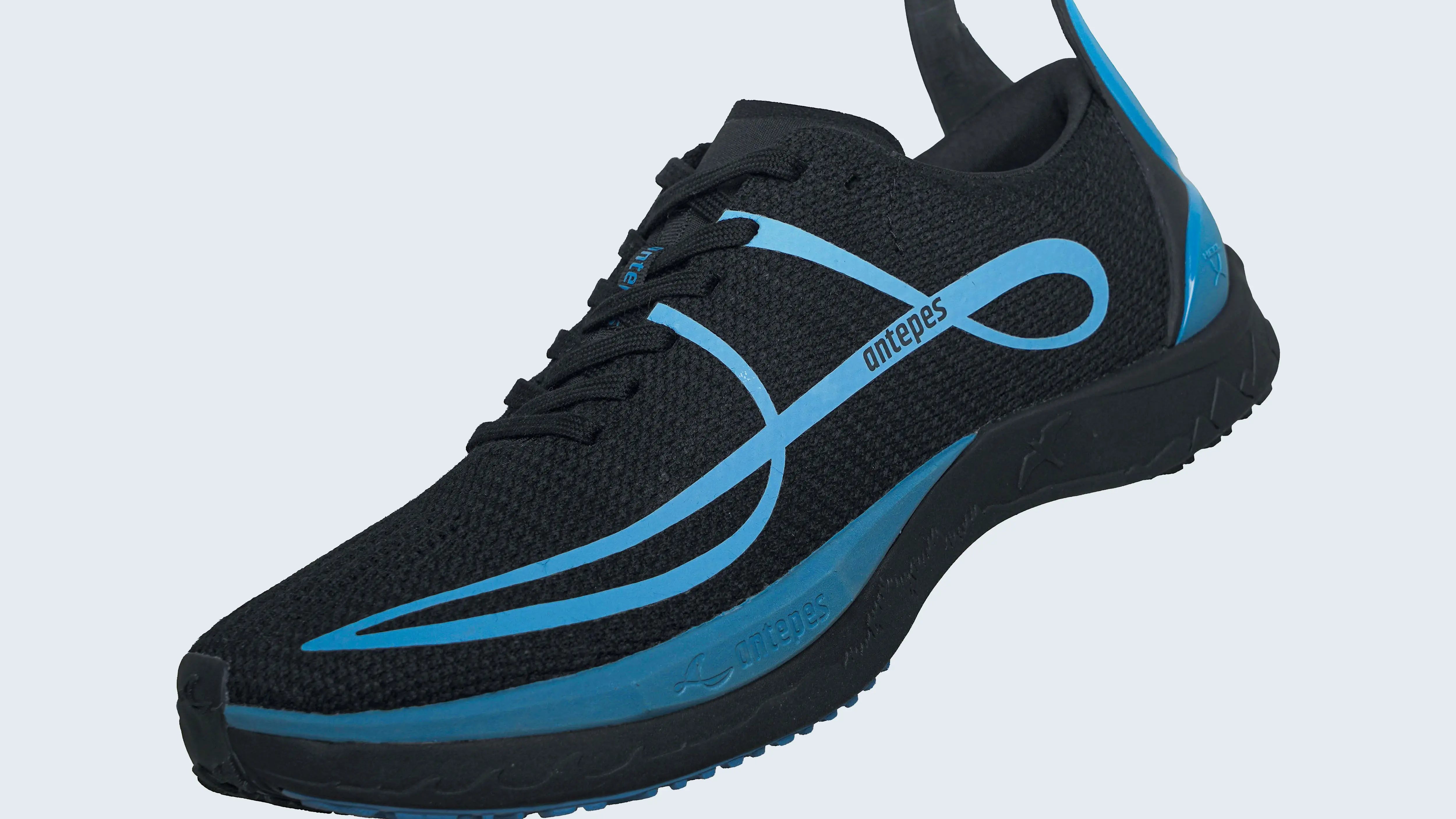
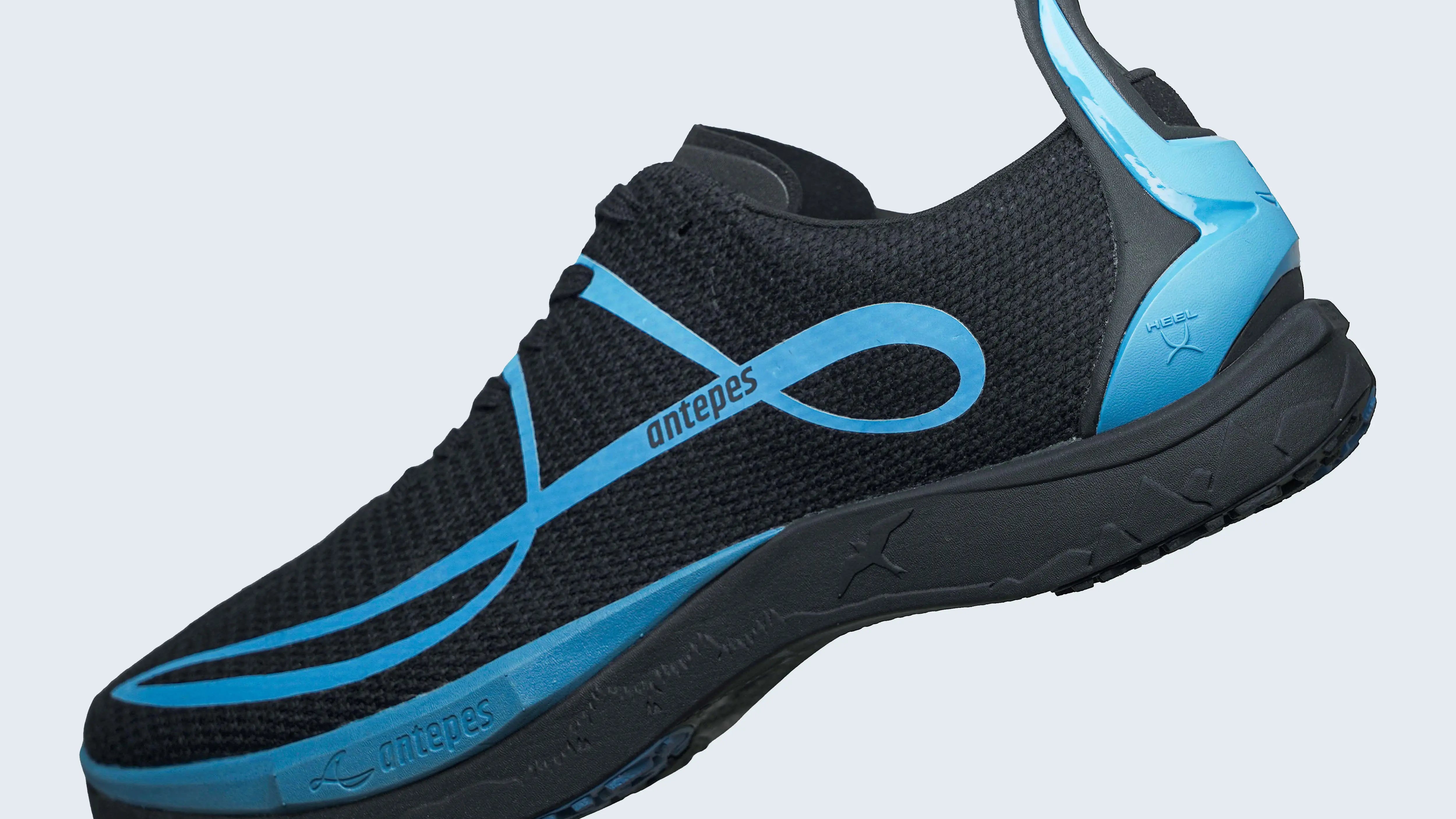
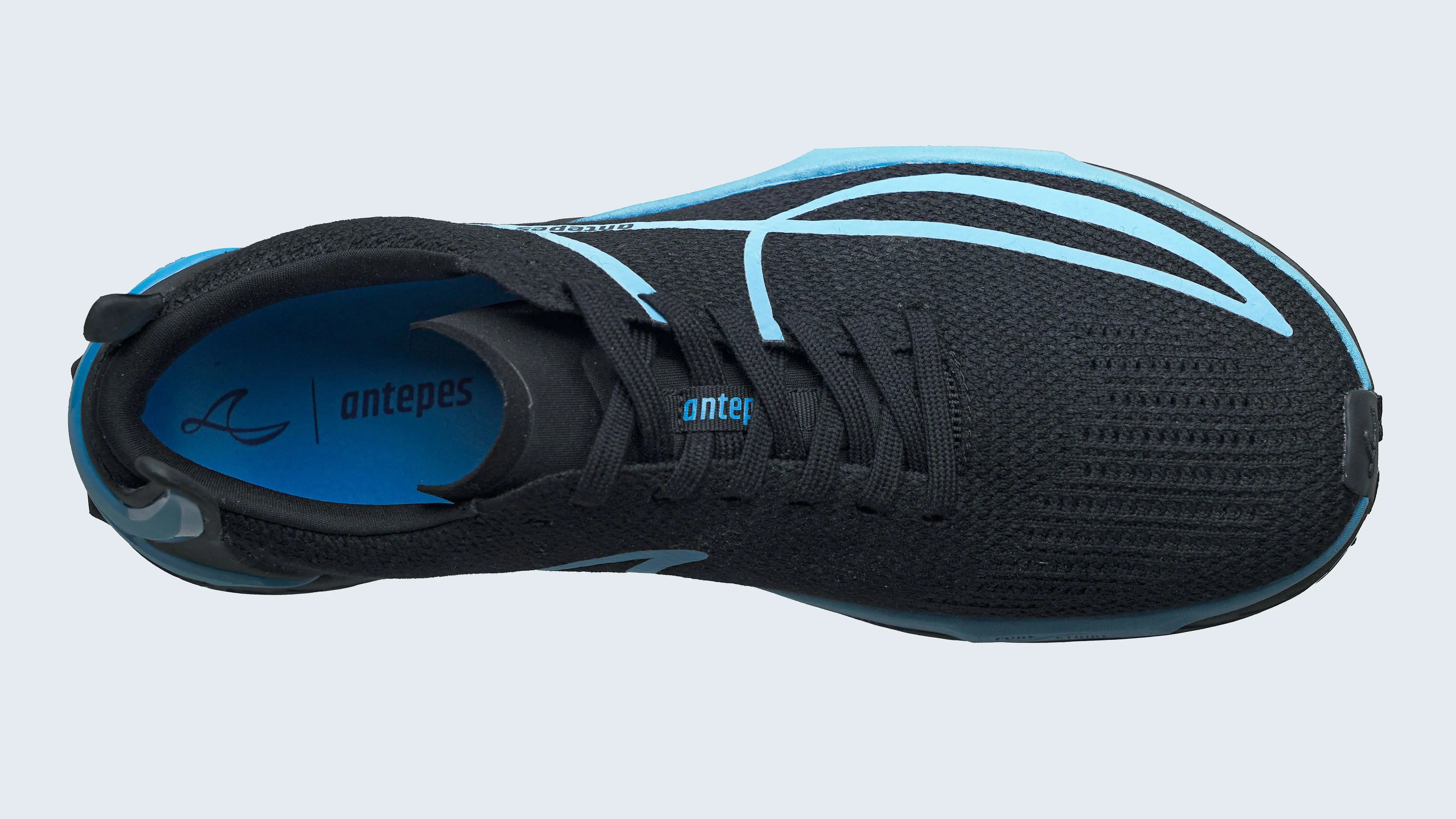
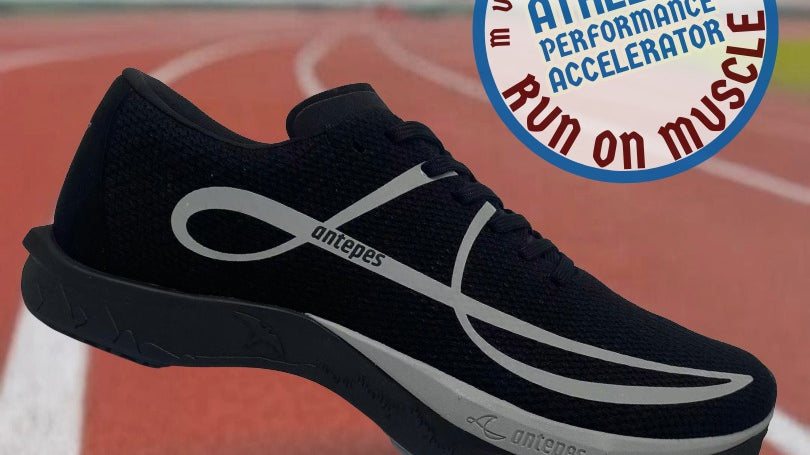
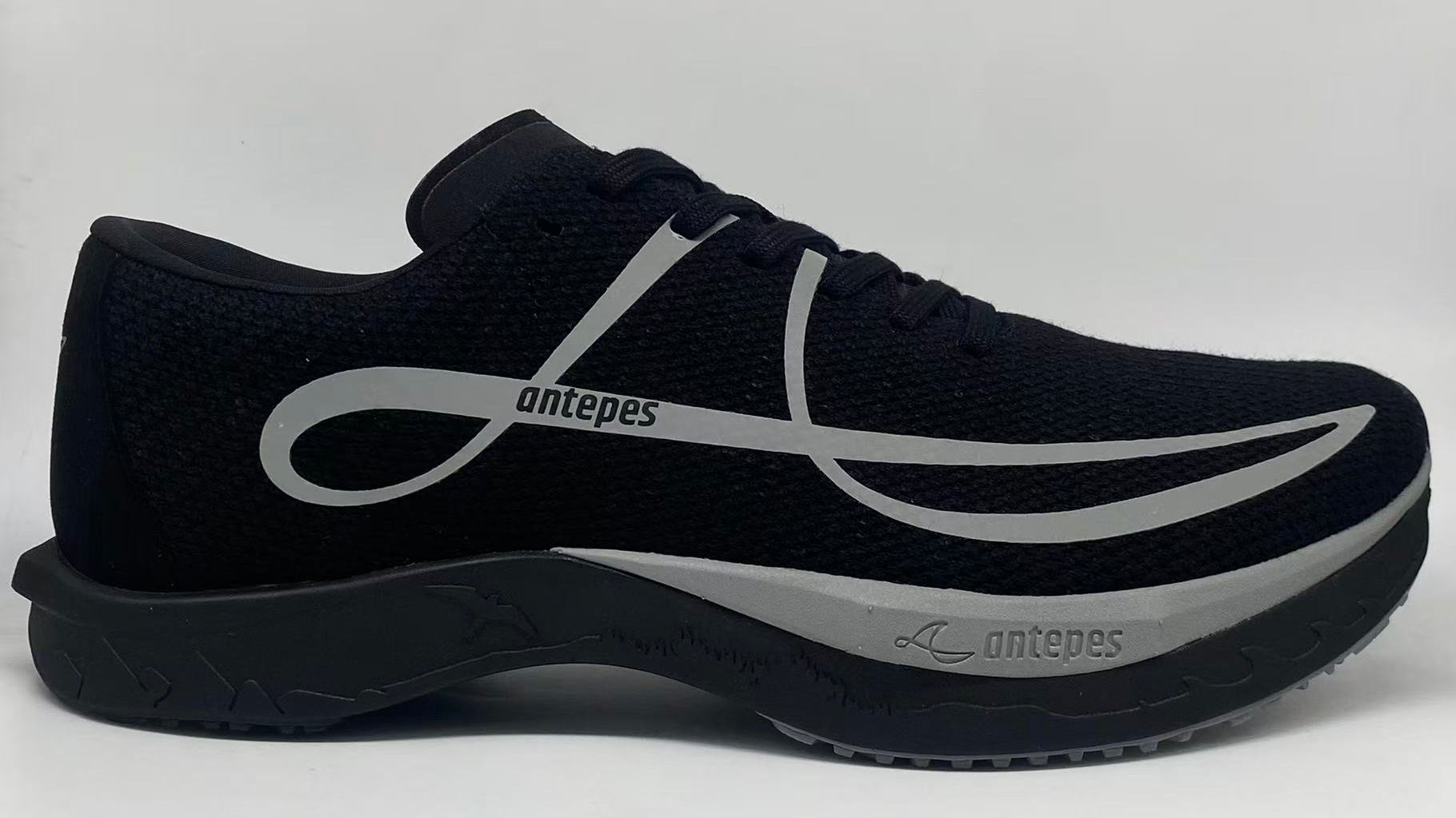
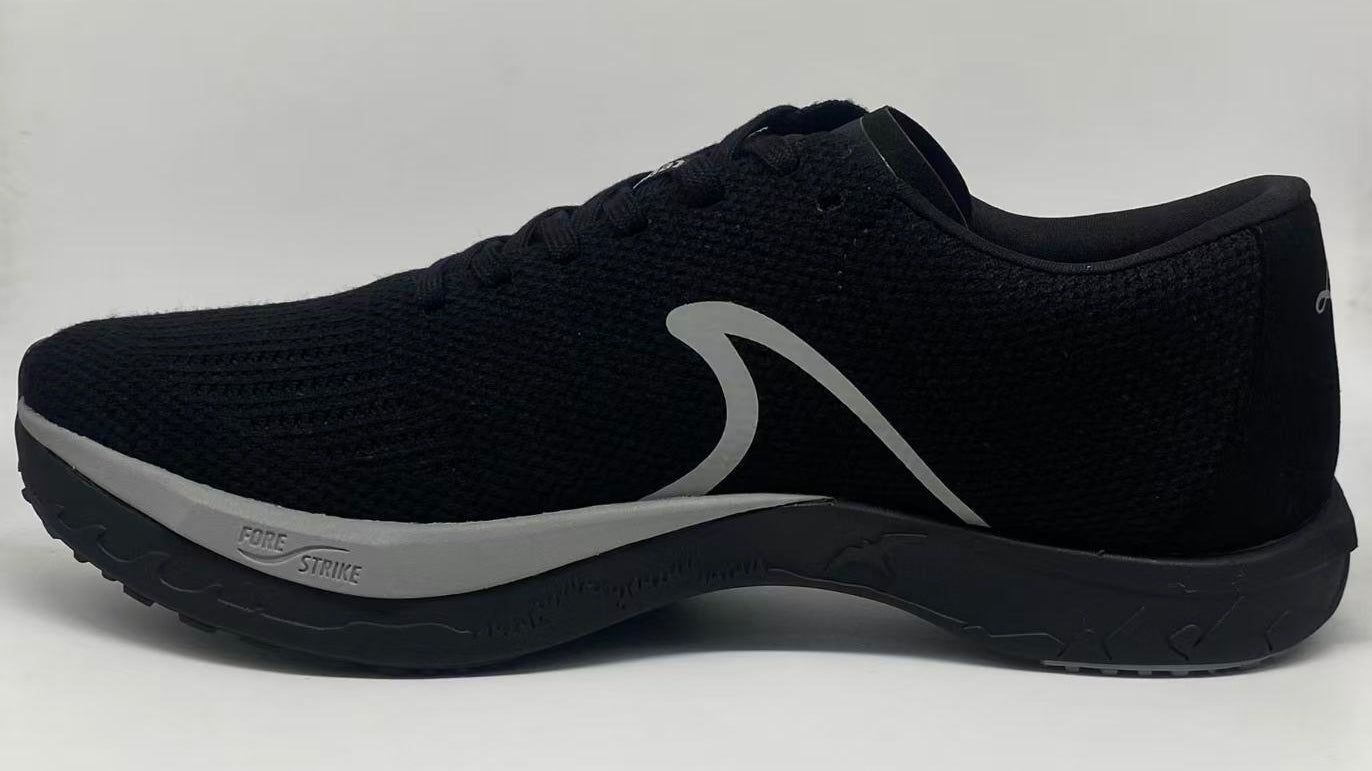
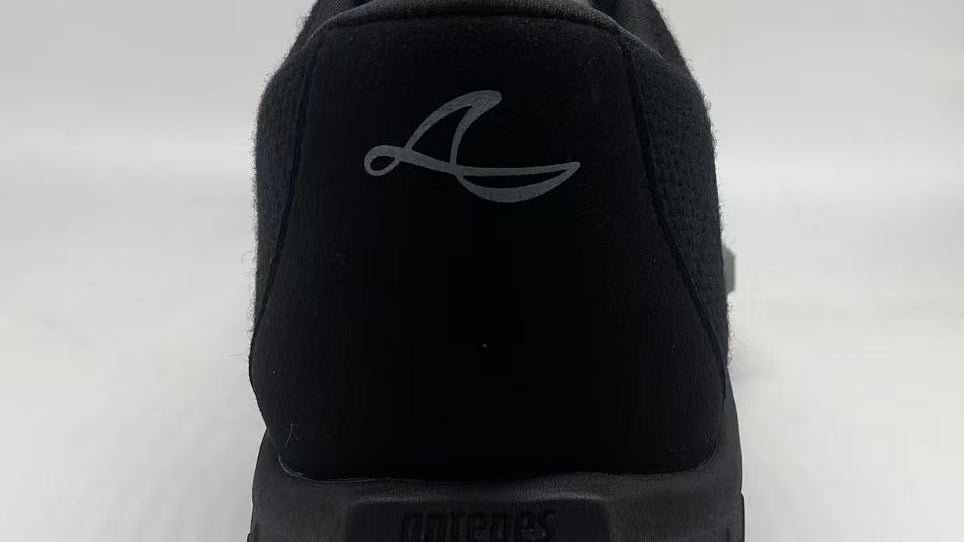
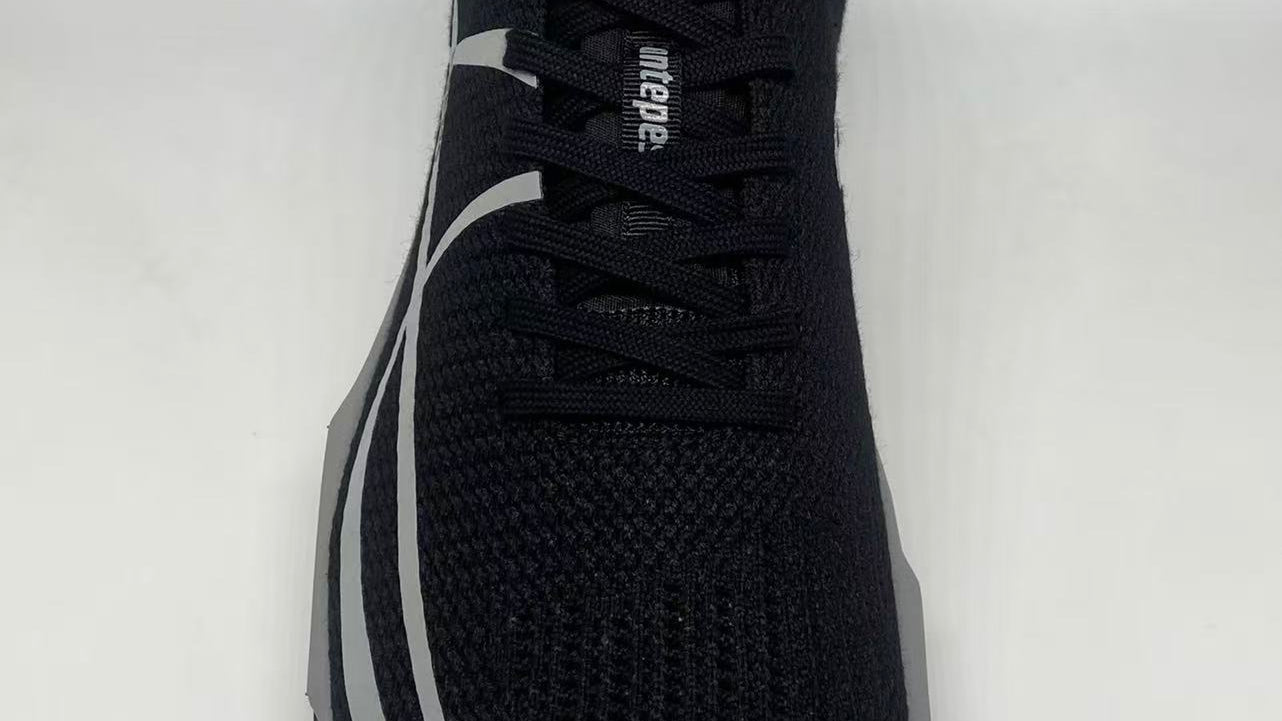
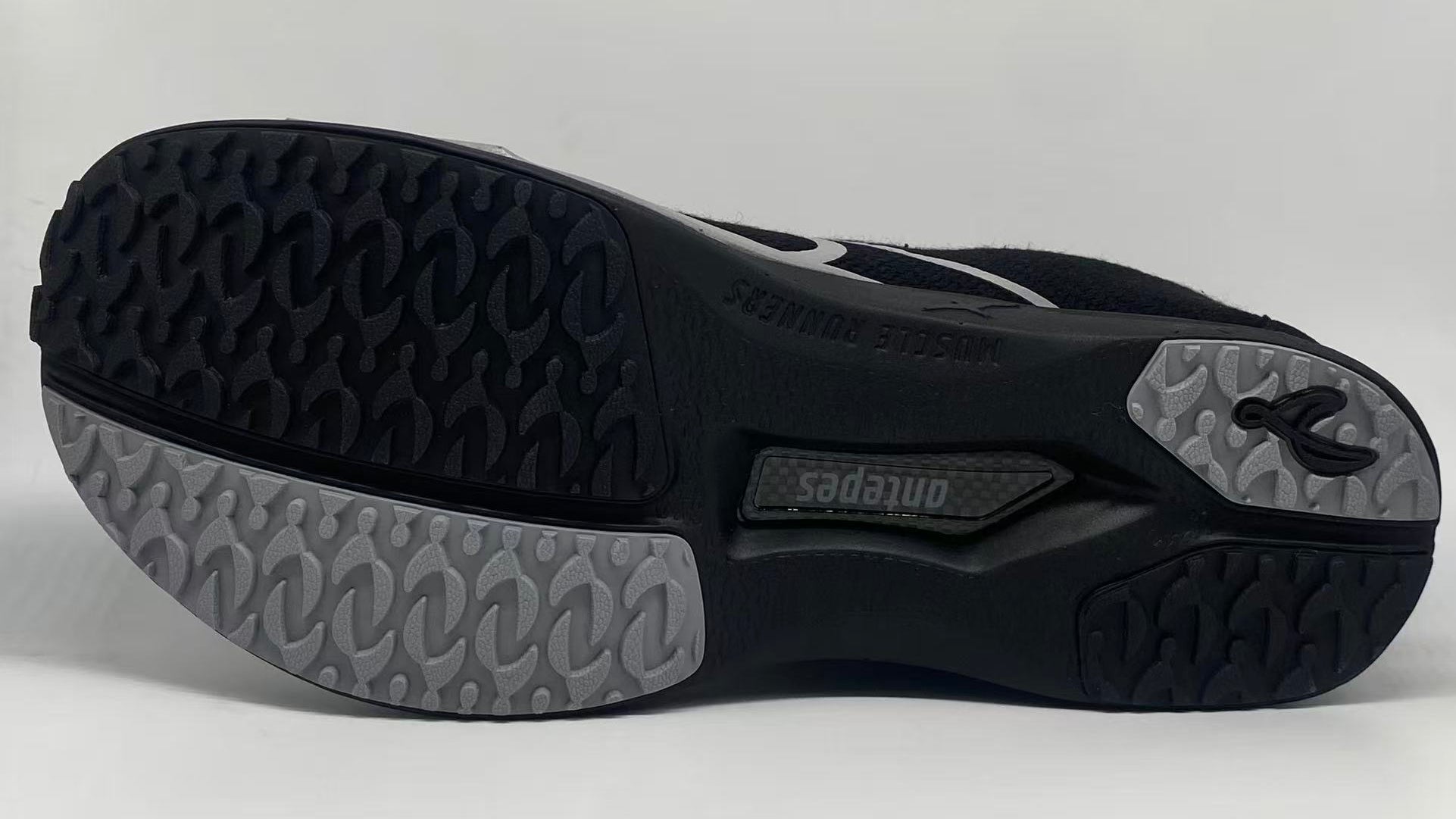
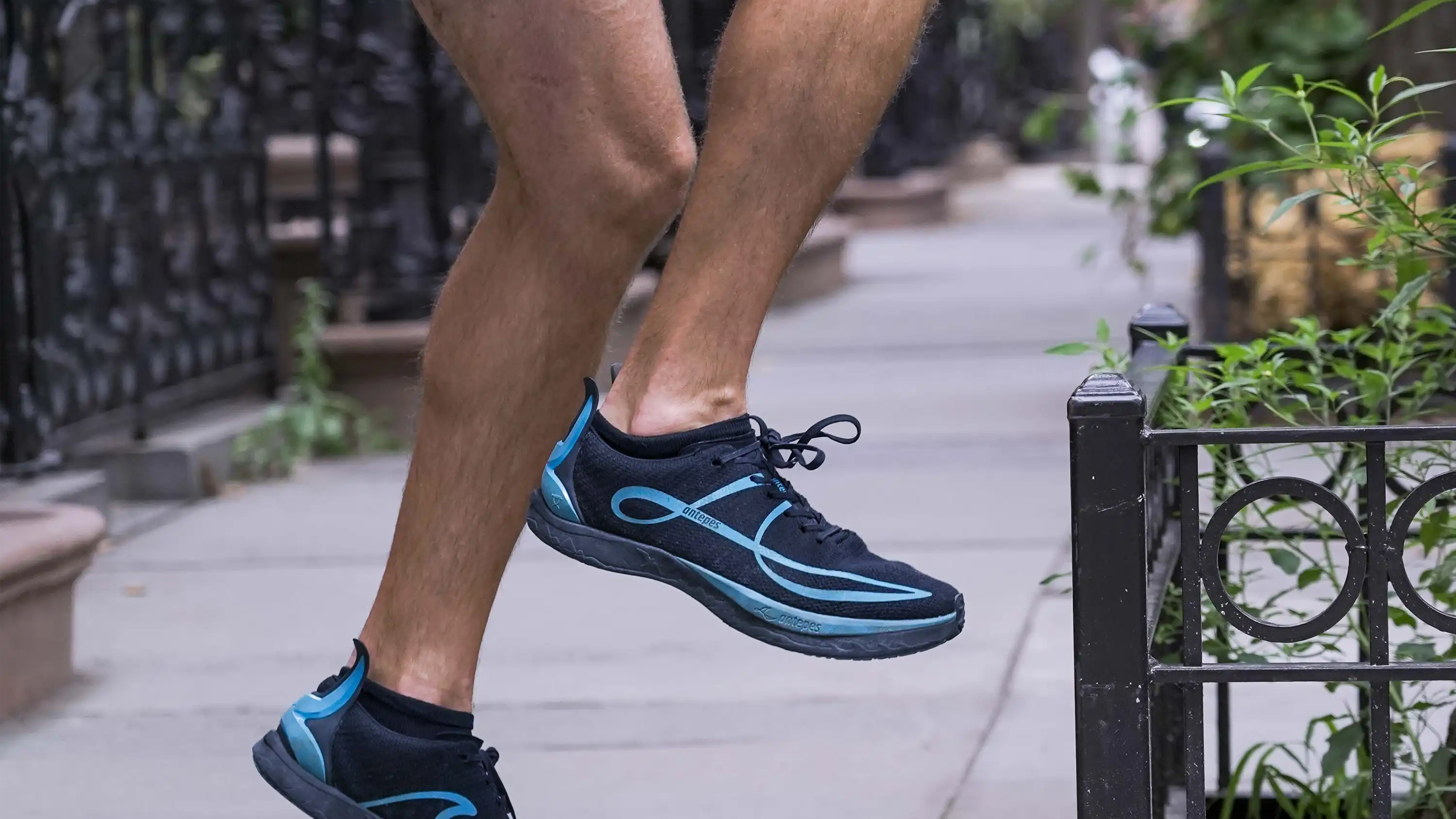
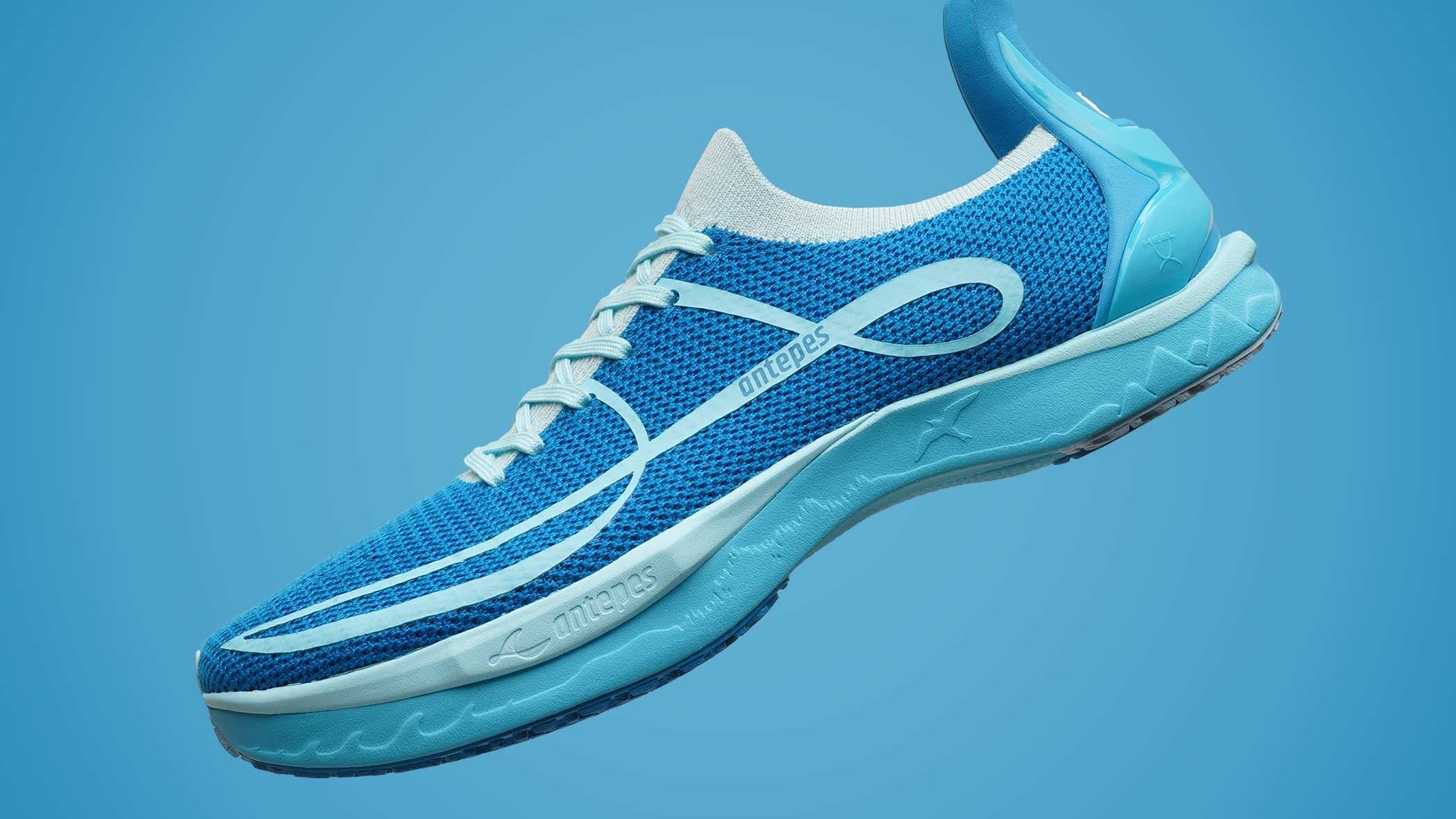
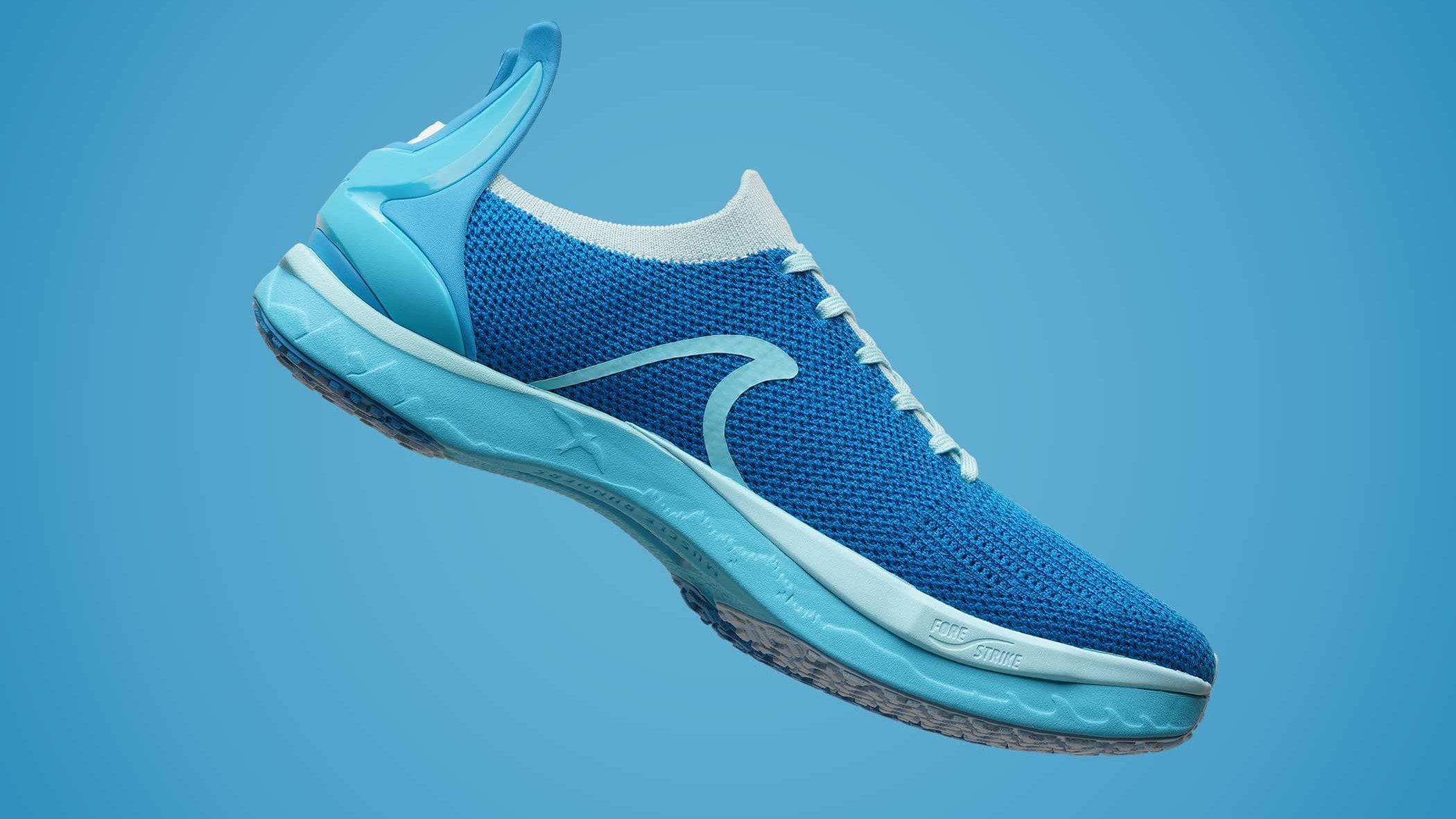
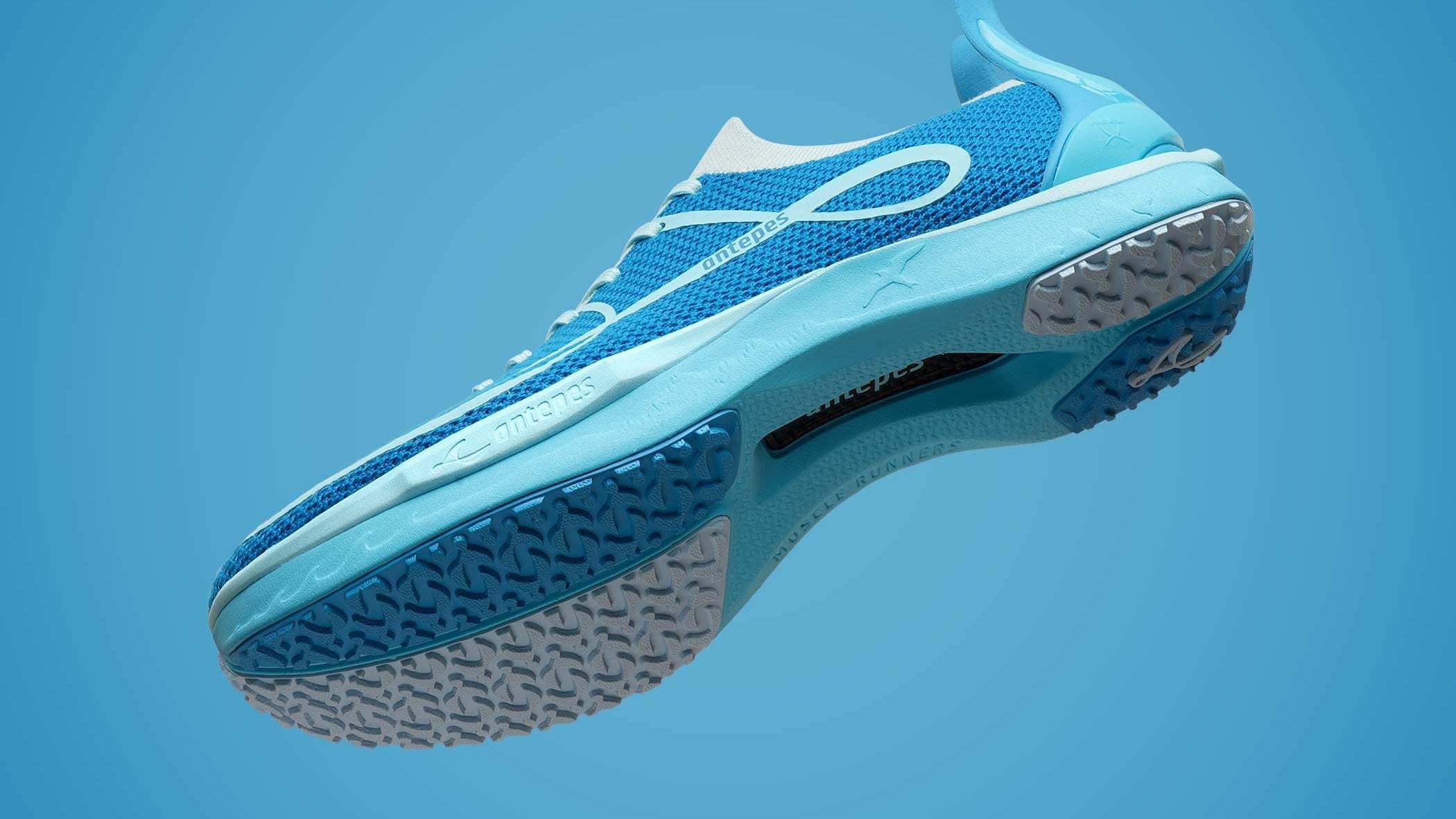
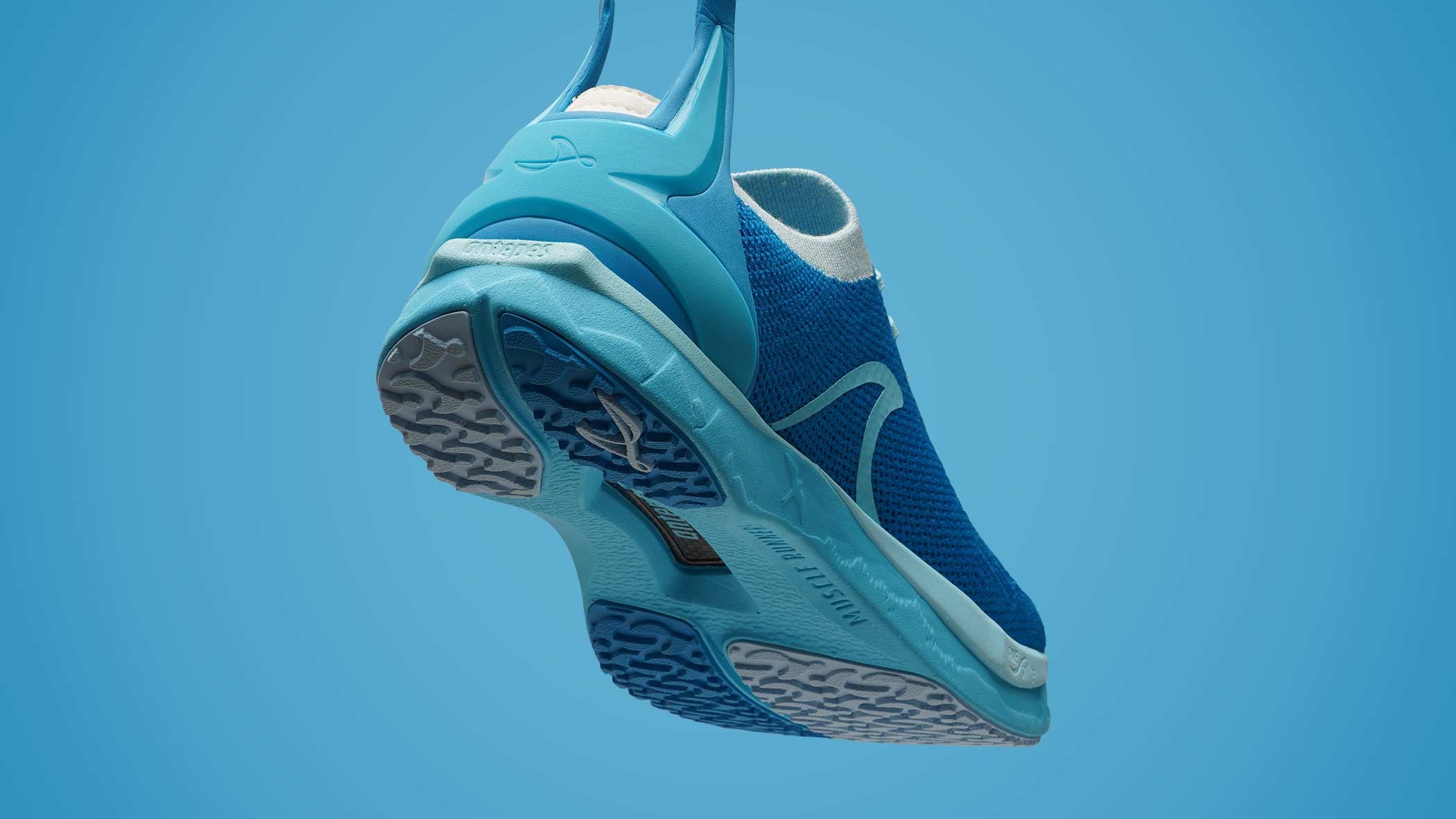
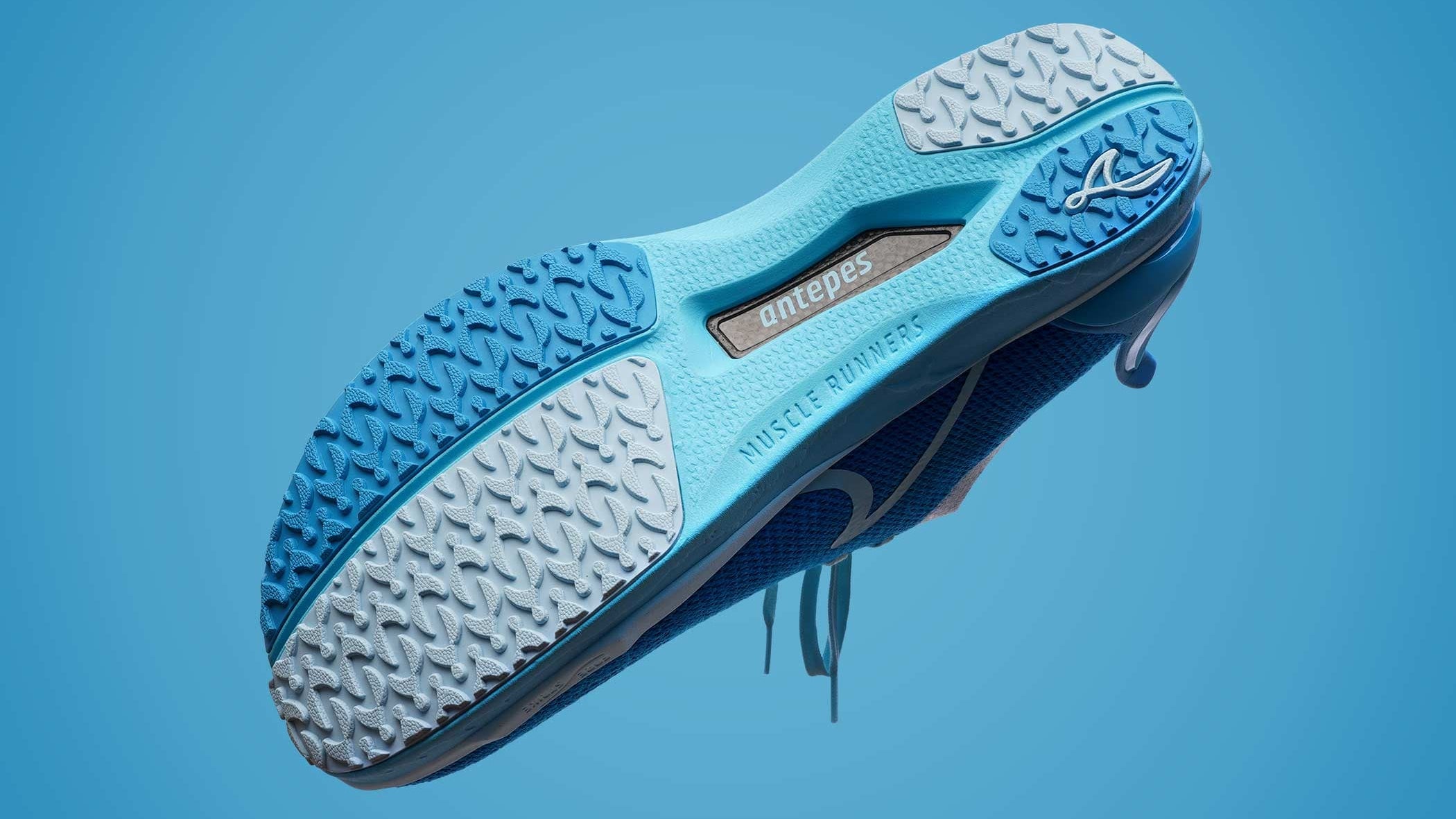
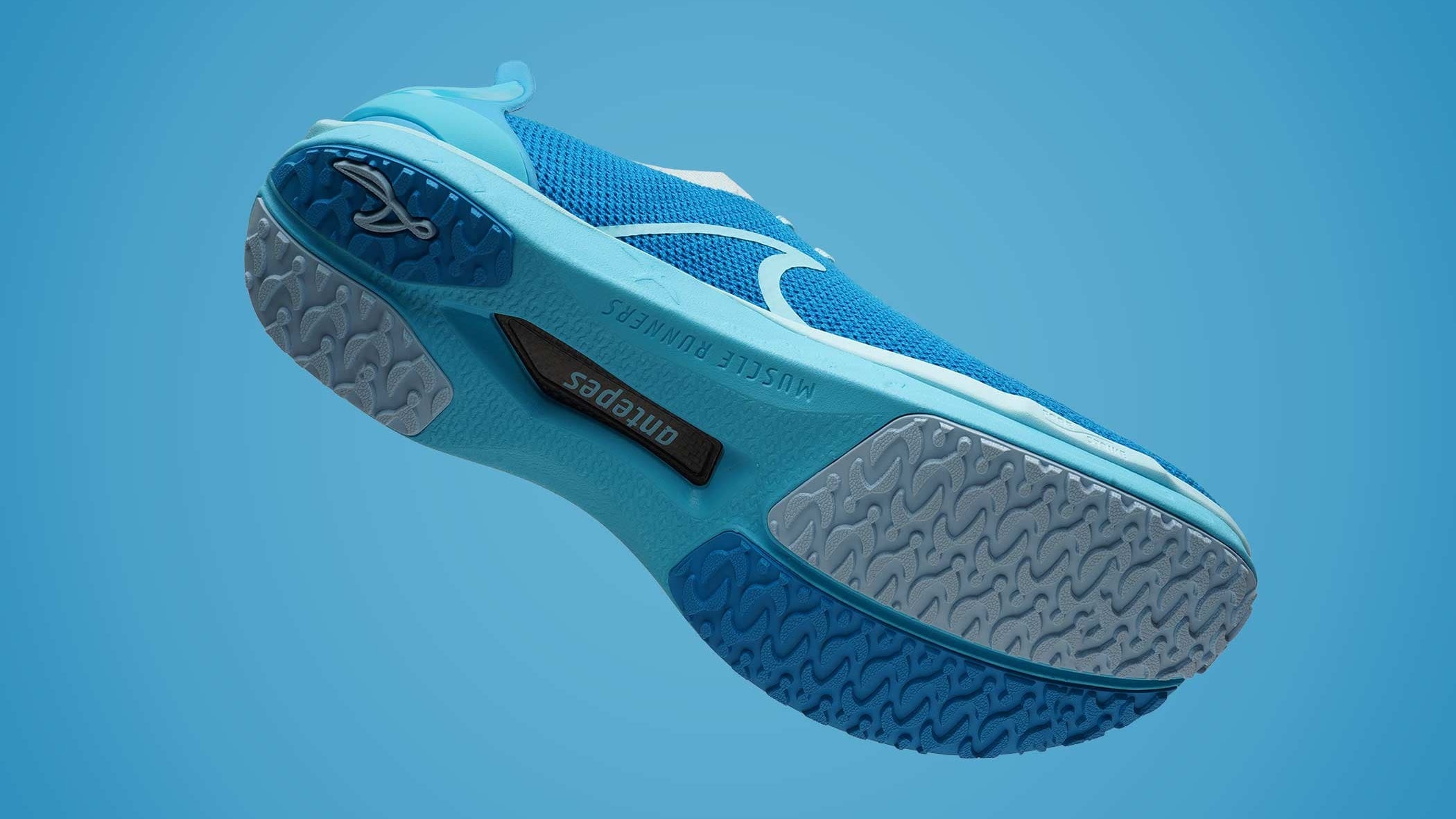
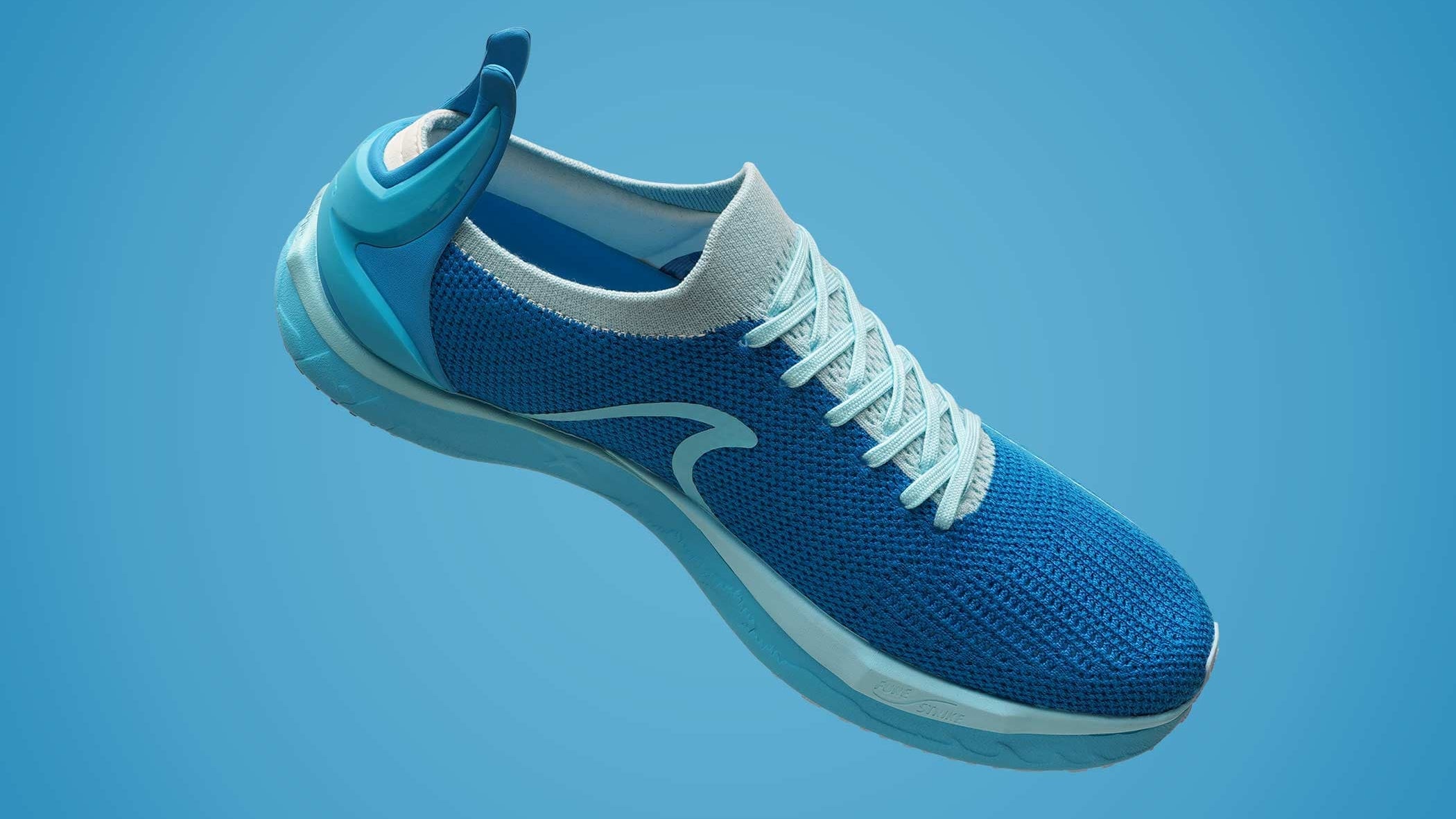
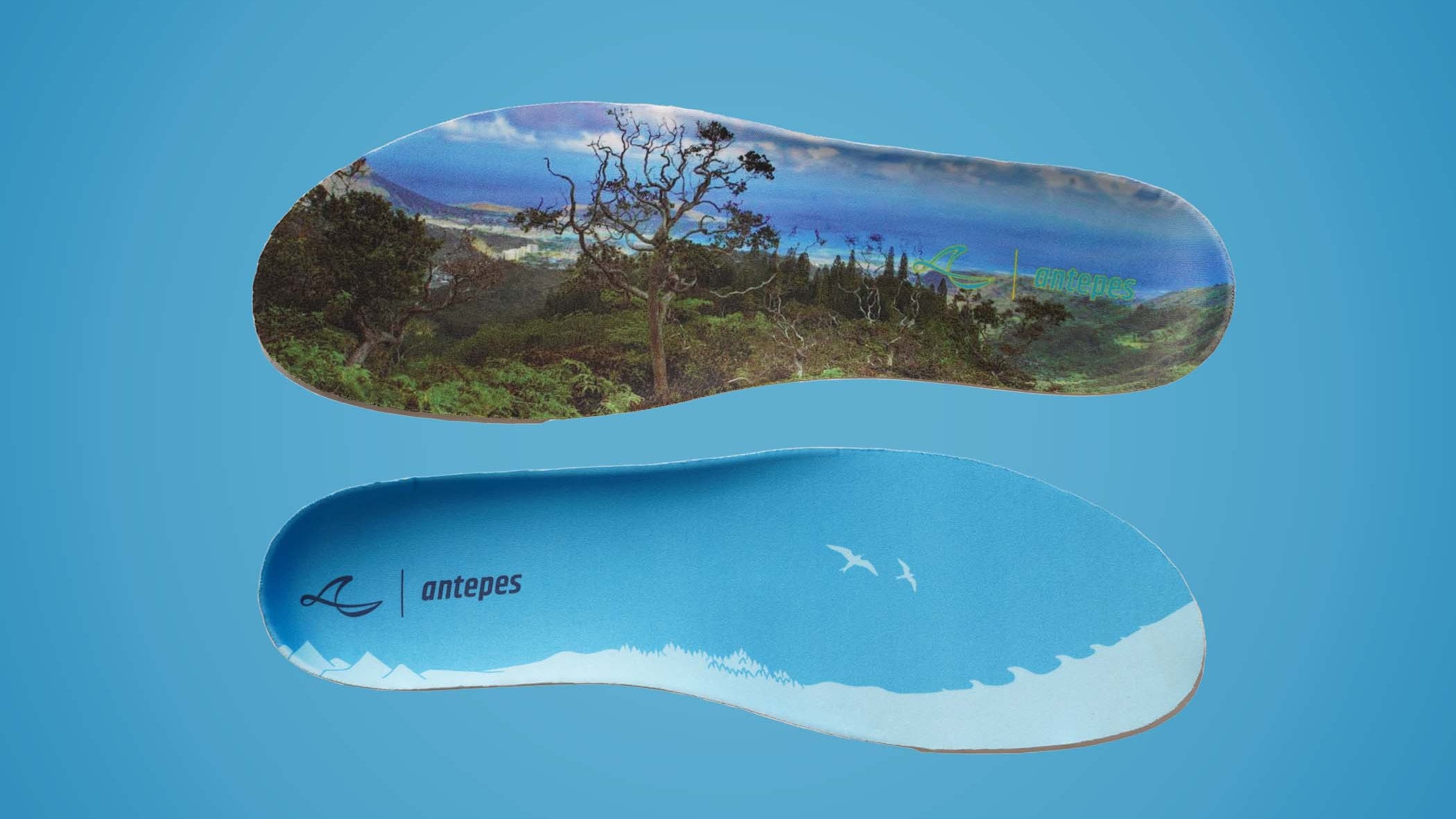
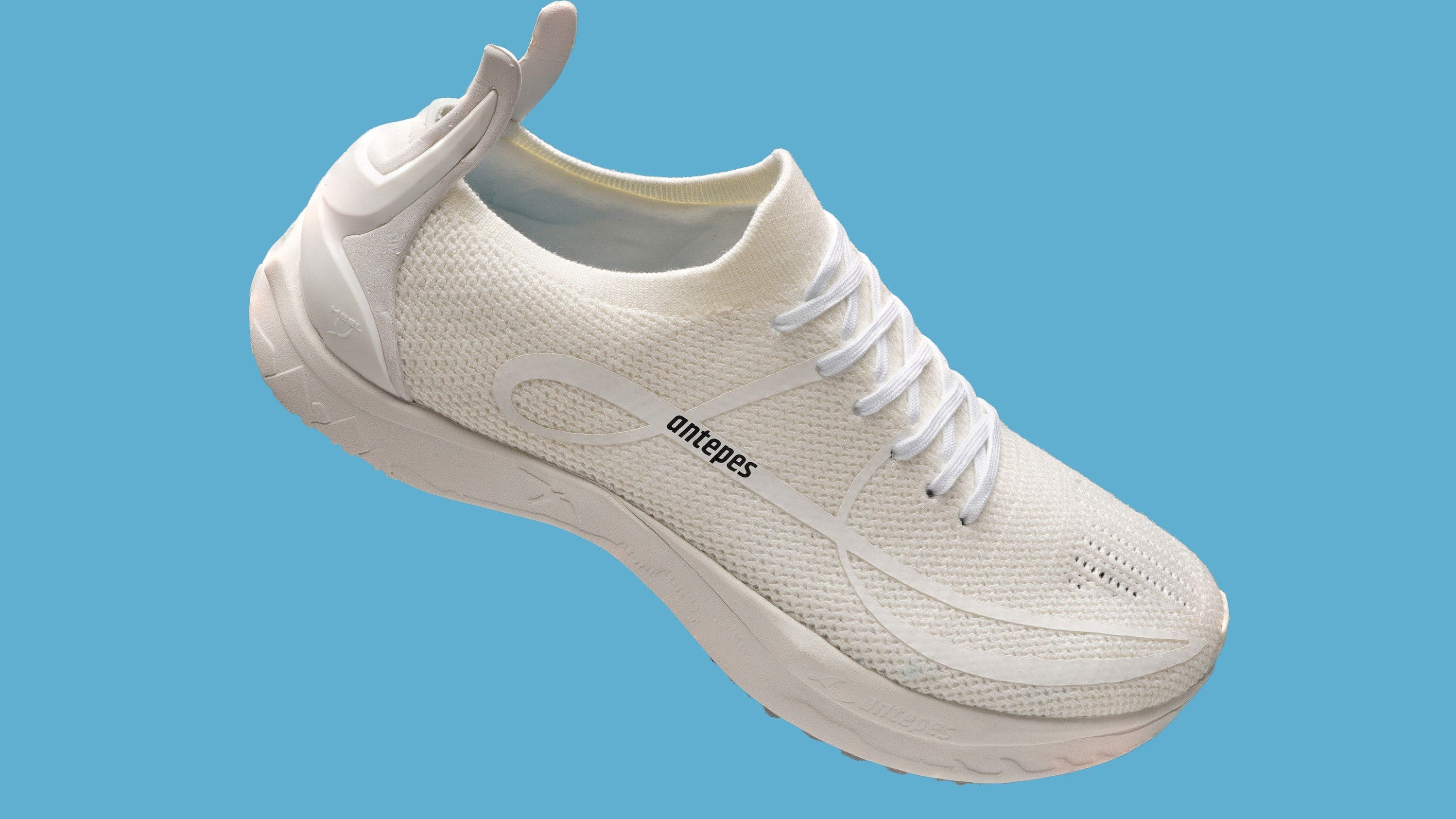
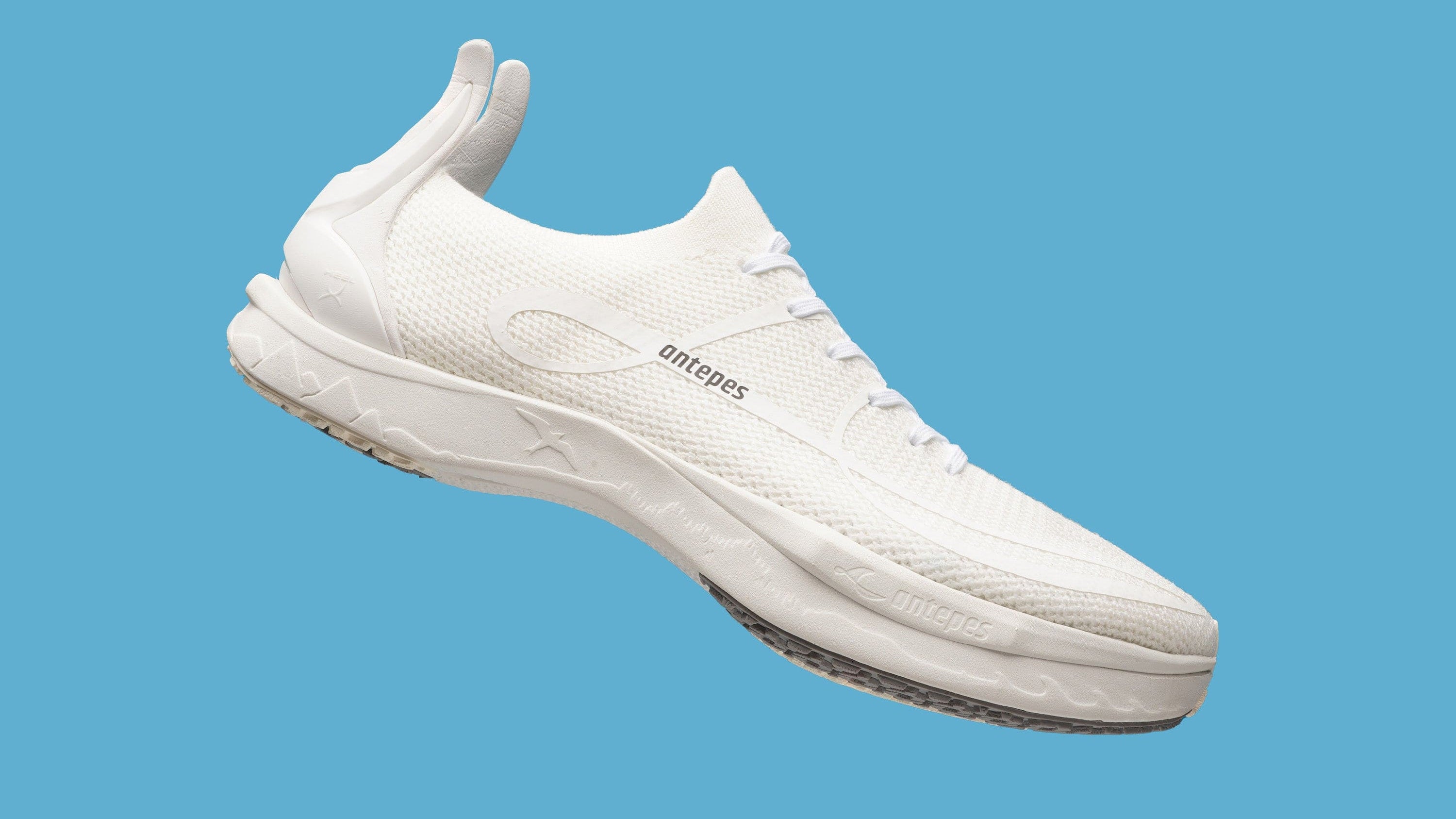
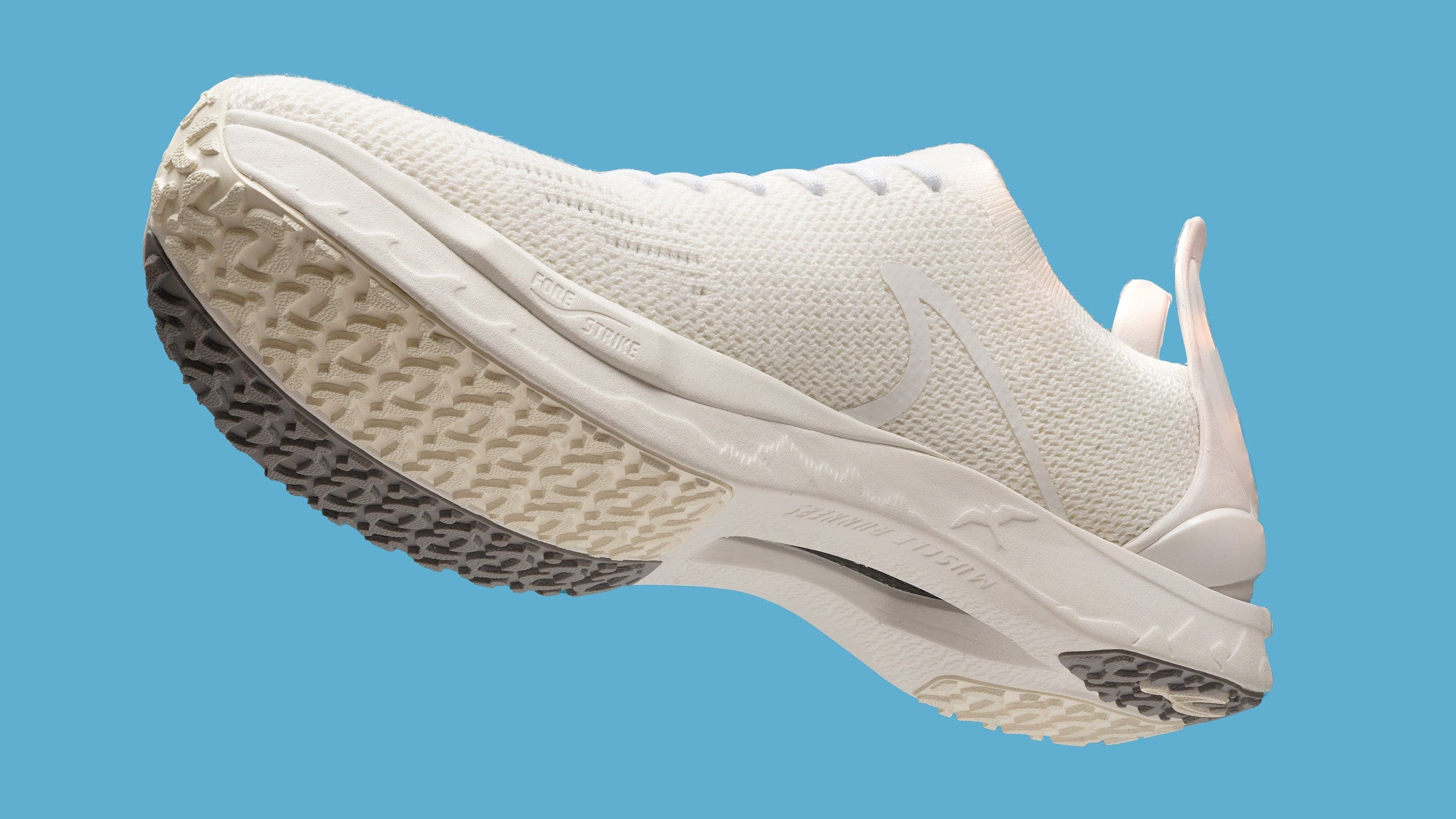
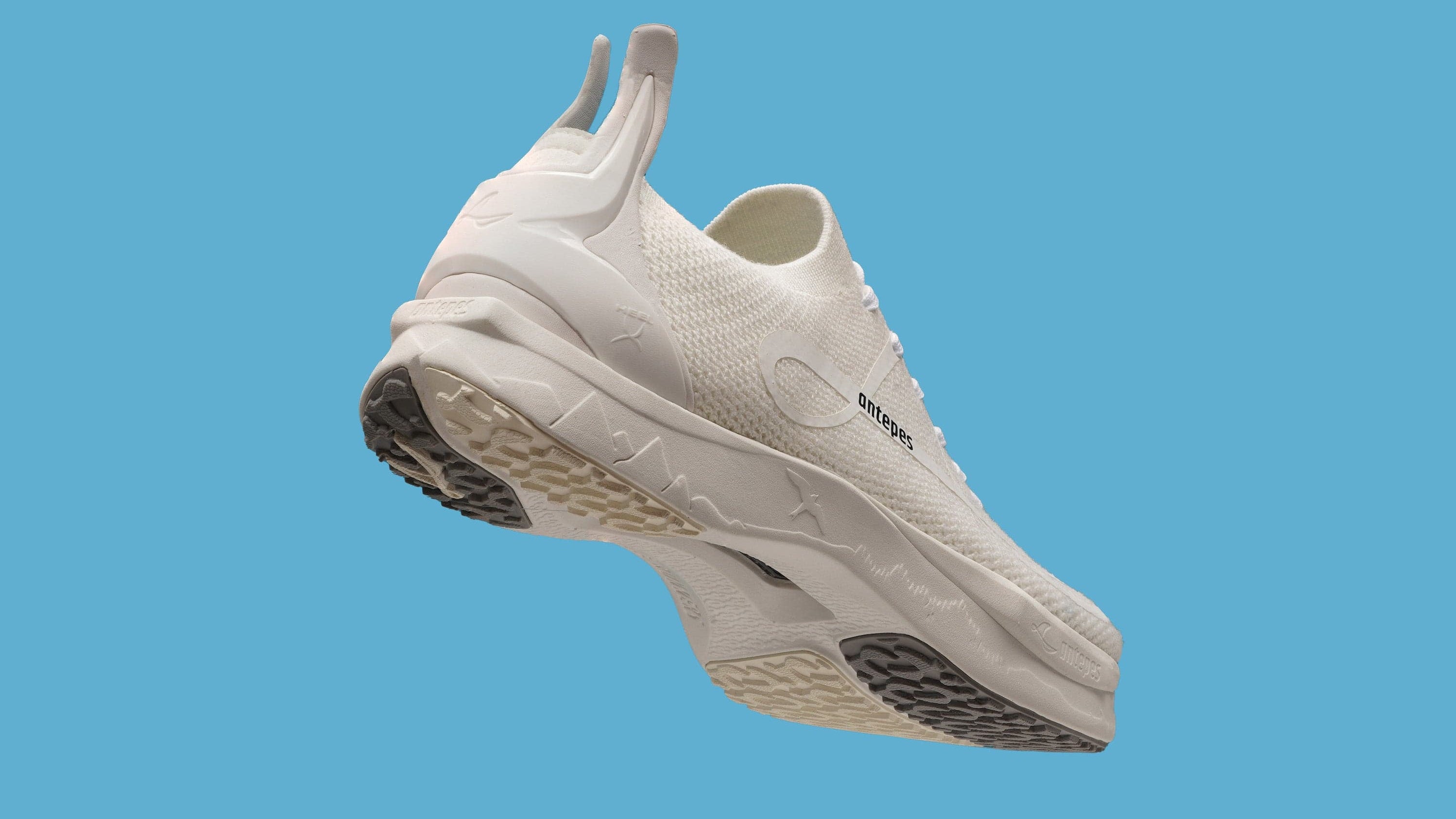
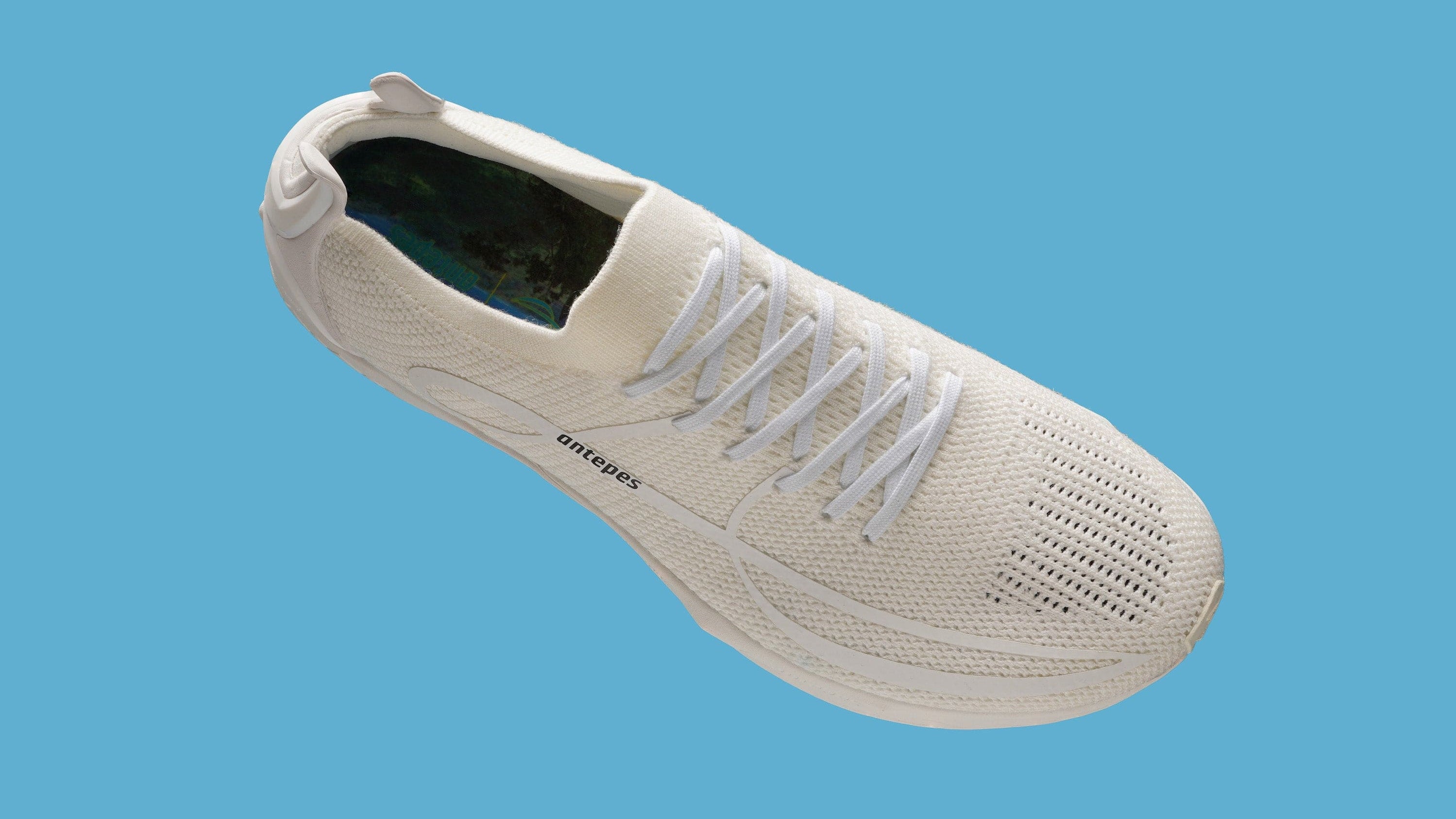





We pointed out recently that the feet and lower legs are incredibly important both for powering up and supporting our speed production needs. Our dynamic speed training Muscle Runners are specifically designed to strengthen the muscles of the feet and lower limbs - a consequence of their market leading design. We’re now going to give you some more tips and strategies on how to make these areas of your body stronger and more powerful.
But before we get started let’s take a quick look at foot function when sprinting and performing other all-body dynamic movements, such as braking and cutting.

The foot has intrinsic and extrinsic soft tissue (muscles, ligaments, tendons and fascia).
When the foot hits the ground when sprinting in that crucial for propulsion forefoot position in part created by your Muscle Runners’ unique design, the foot’s muscles (of which there are 29) stretch. This is known as an eccentric muscular action. Then as the foot moves into toe-off they shorten to create the power needed to move you both forward and up. This is known as a concentric muscular action.
Of course, they do this in harmony with hundreds of other muscles and soft tissue across the body.
The foot - and in particular its Achilles tendon, arch and big toe act - as a spring. They compress and then fire you forwards.
If you have well-conditioned feet, then the muscles will improve the stiffening of its structure when impact is made, making for a more elastic and stable base from which to create propulsion.
If you have well-conditioned feet, then the muscles will improve the stiffening of its structure when impact is made, making for a more elastic and stable base from which to create propulsion.
Recent research indicates that when in what’s called “late stance” - when the foot moves into toe-off when sprinting - that the foot’s muscles will have prepped the metatarsal-phalangeal joints (located at the ball of your foot for every toe) in readiness to activate a greater “push”. This is the eccentric to concentric coupling.
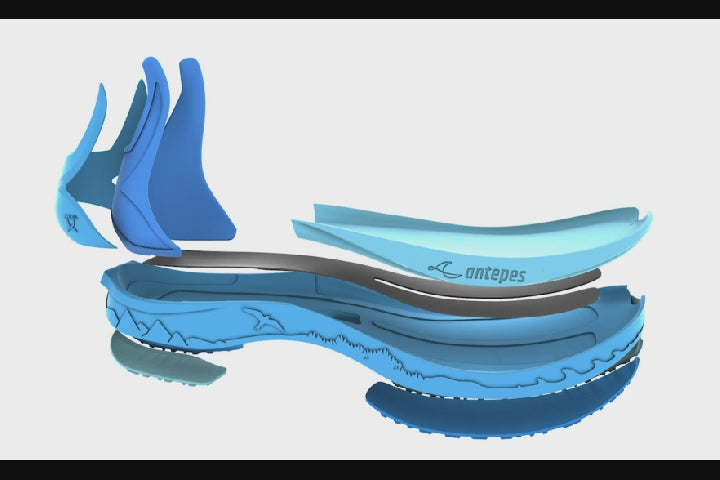
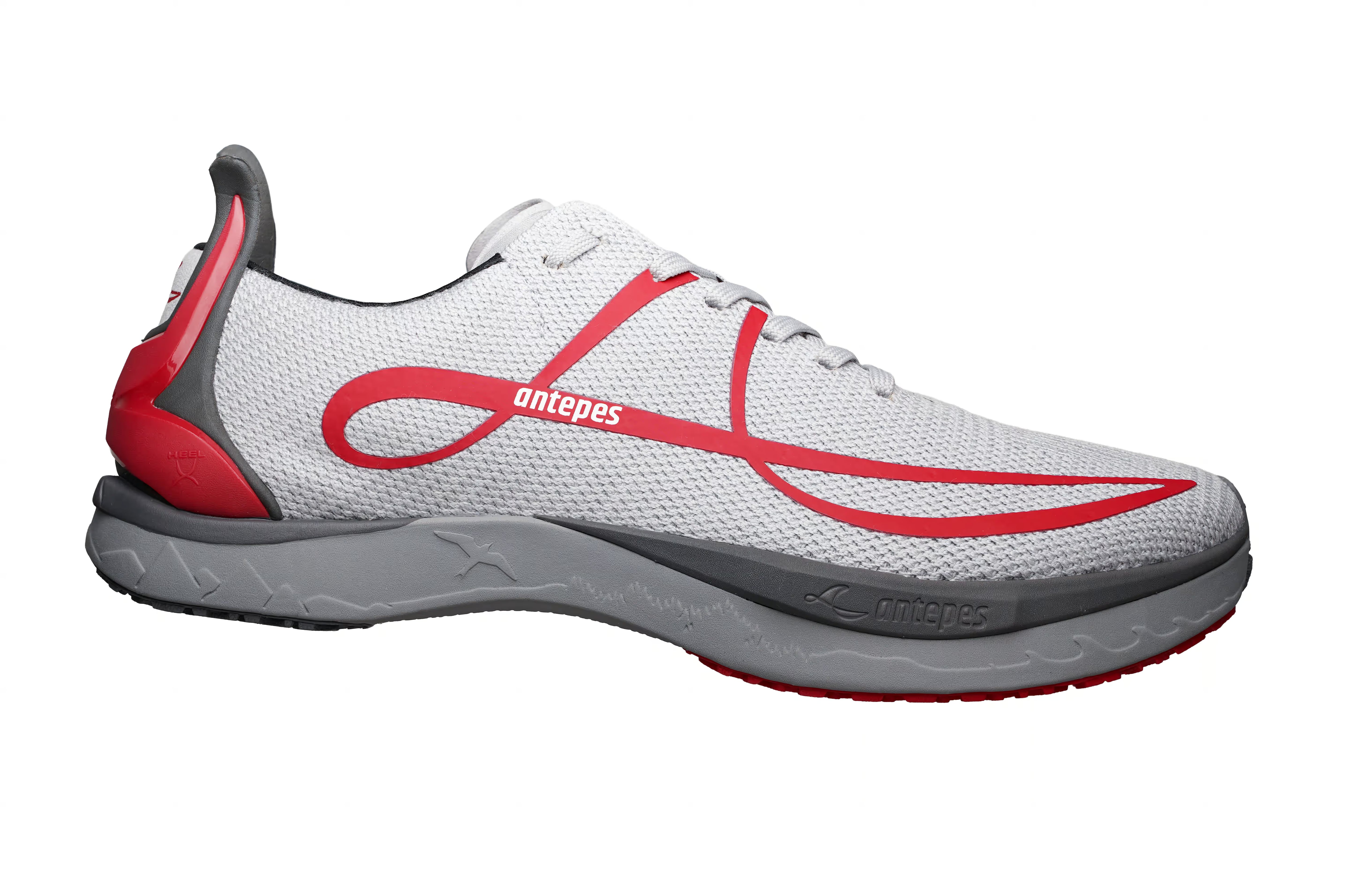
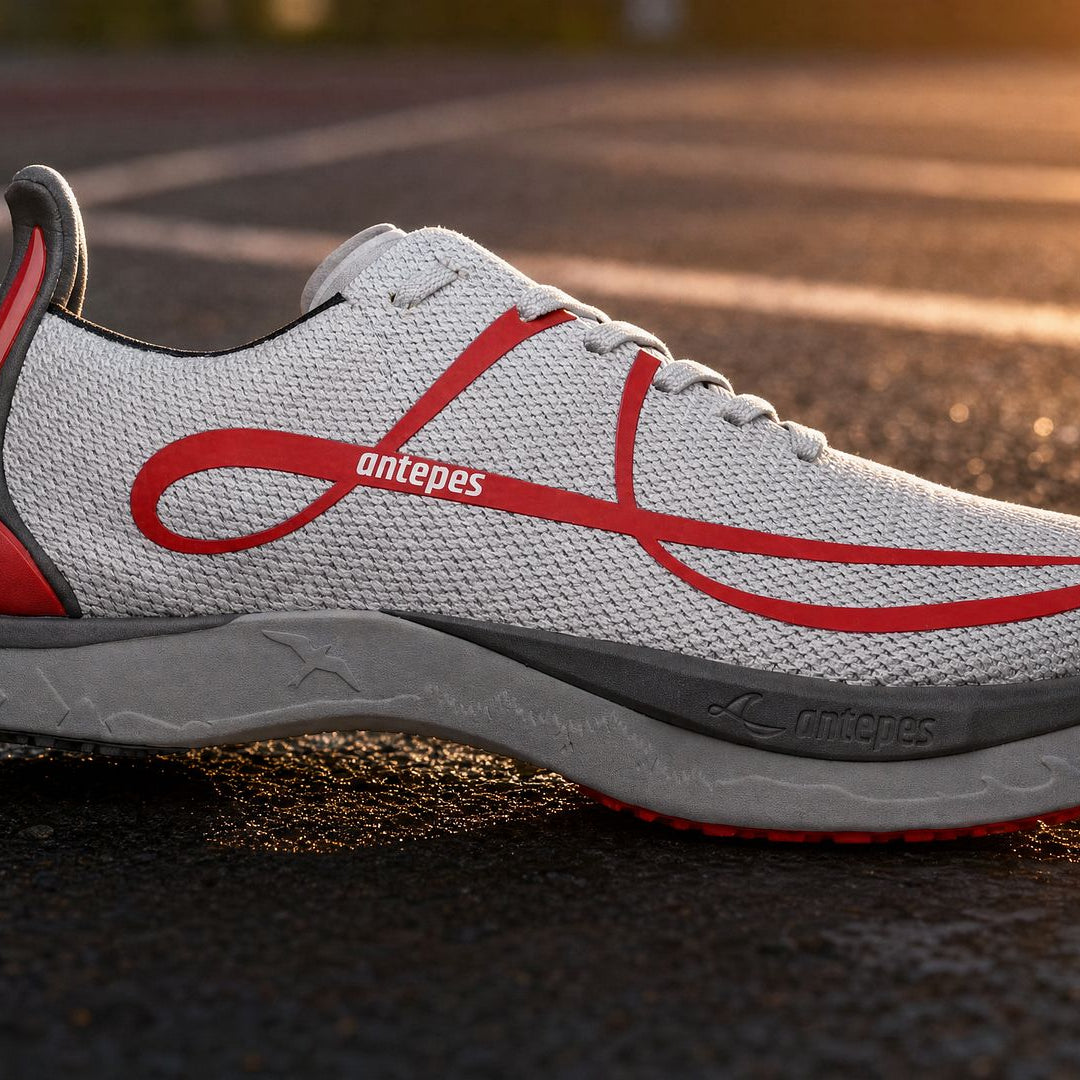
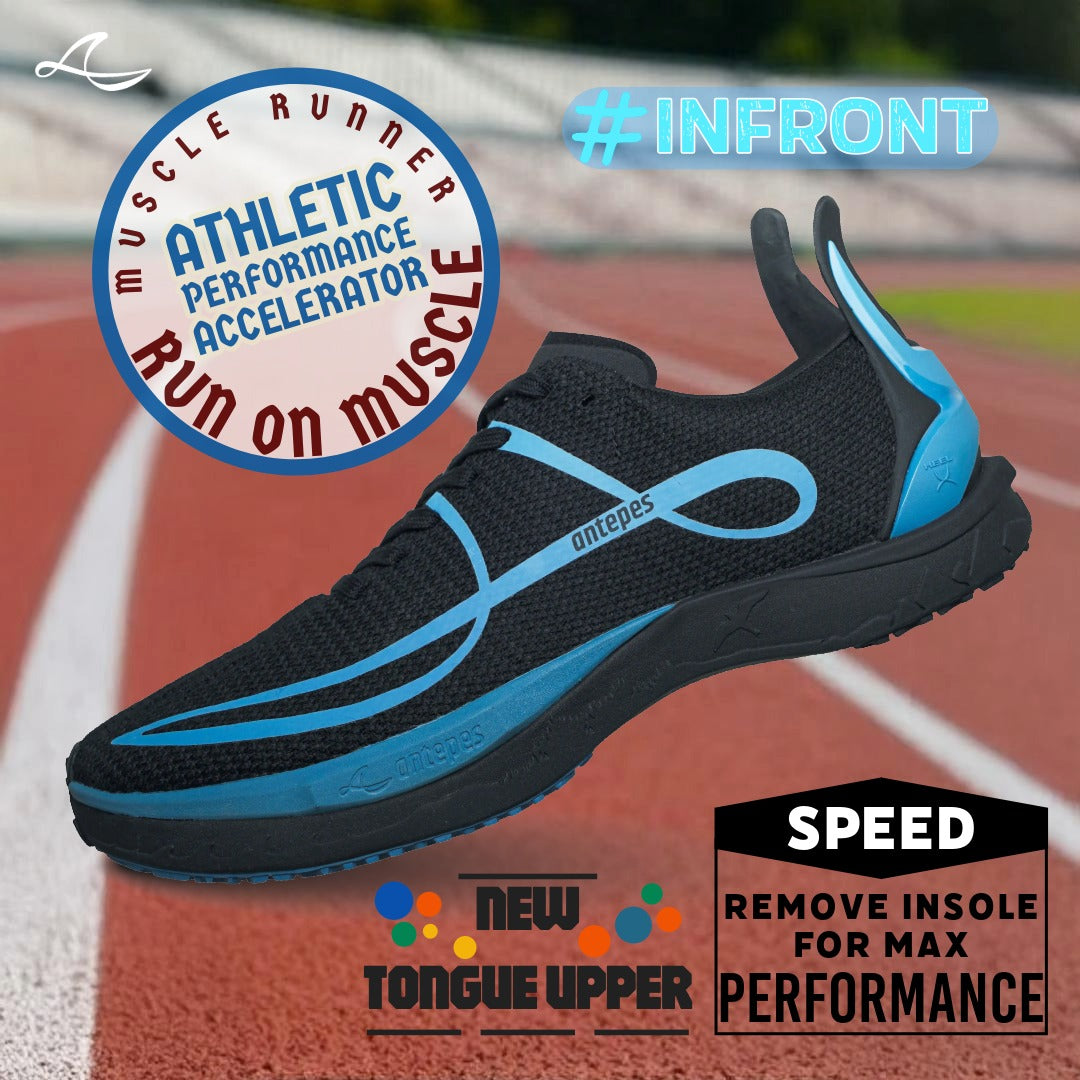
Muscle Runners being designed specifically for sprinting and other dynamic activity will seriously contribute to this power production whilst enhancing the lever-like function of the foot.

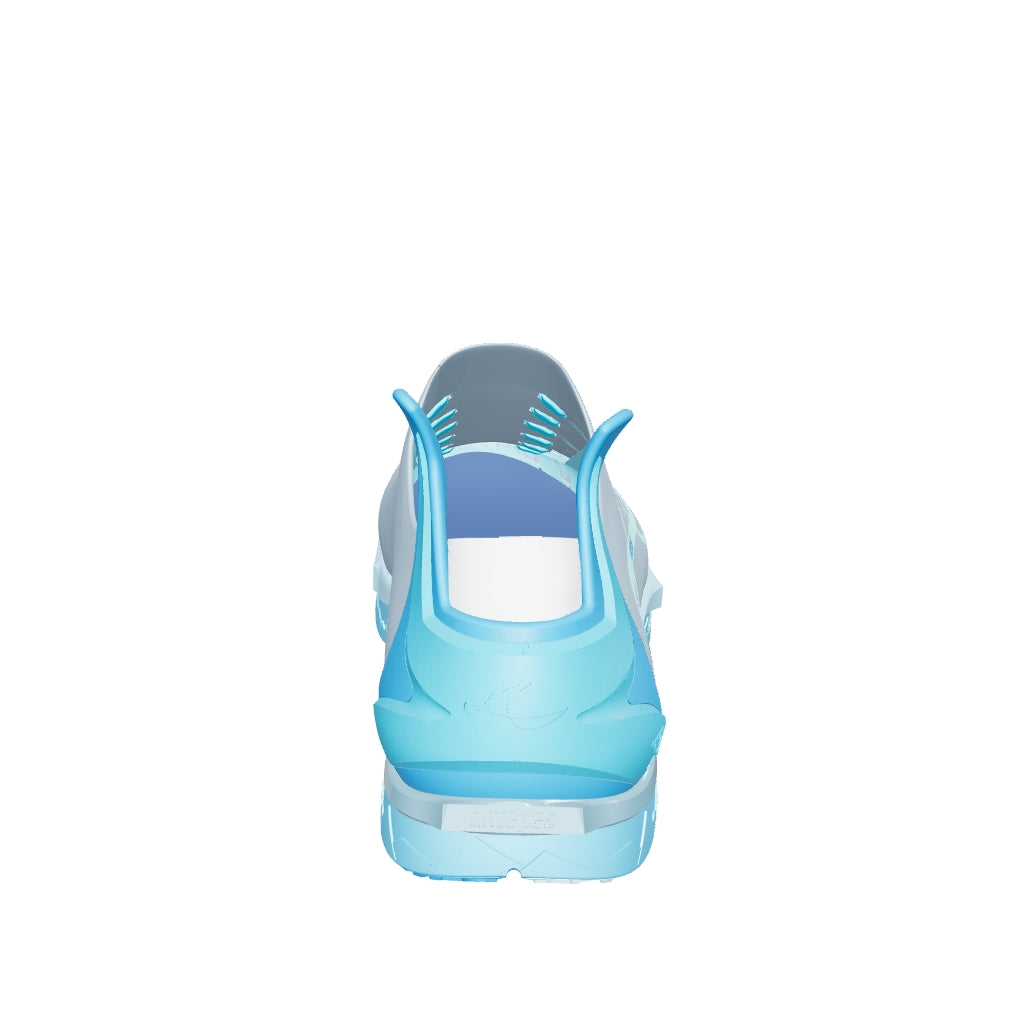
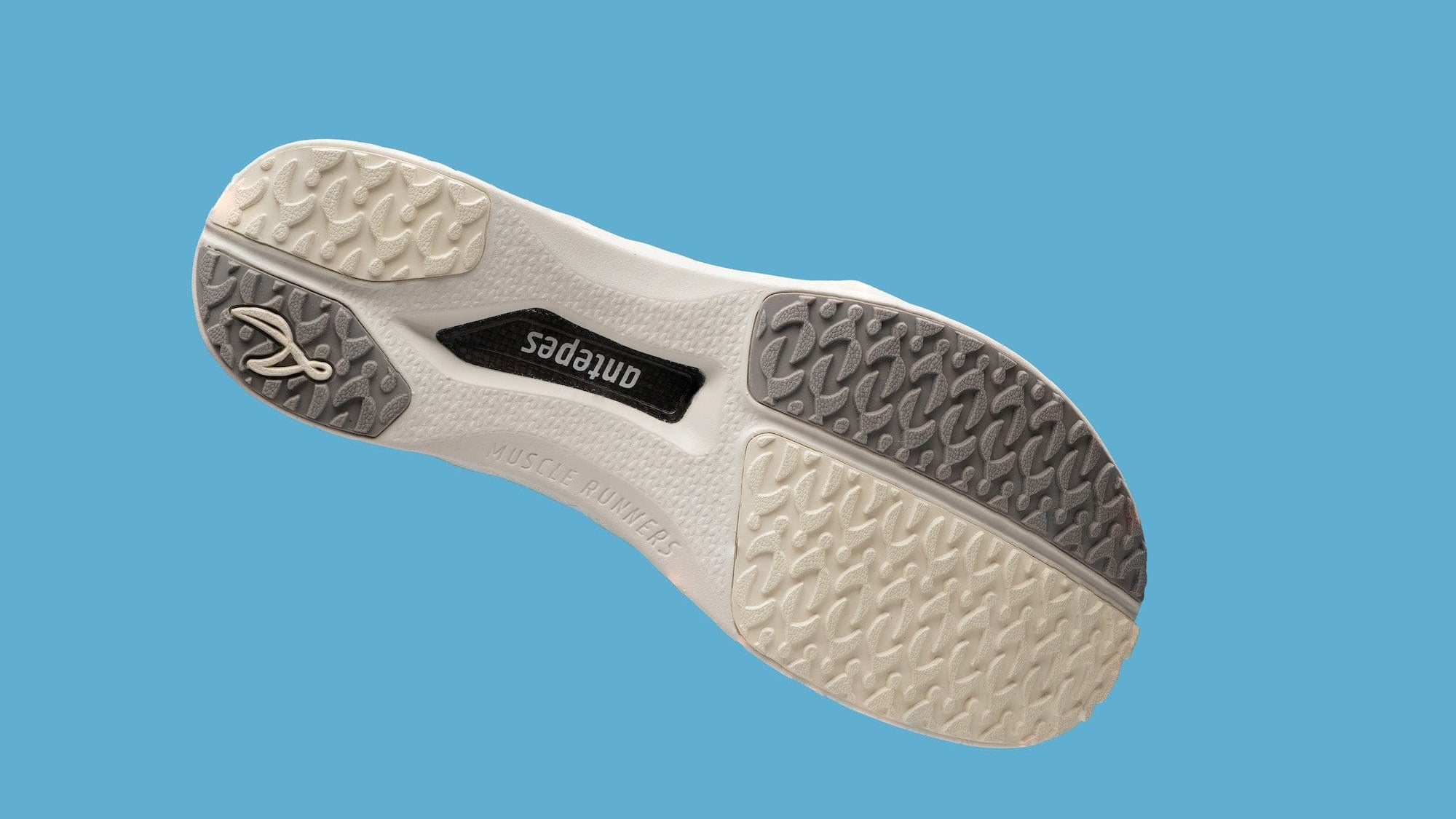
Key to powering your feet and body up are the shoes’ unique features, such as the approximately 10mm drop between the forefoot and the heel. This is so designed like a running foot, so you don’t have to push against and fight against the shoe.
Various patented technologies such as ForeStrike™ and HeelGain™ all prep the foot in readiness for a great energy return on foot-strike.
Can the toes really make a difference?
Sports scientists when looking at sprinters have argued that the toes provide much to the transference of sprint power and that a weakness in these can lead to impacted performance i.e. loss of speed. In this respect the big toe (hallux) is crucial.
Other research has indicated that stiffer spikes facilitate the transfer of power and reduce what sports scientists call "energy leakage" through the foot and specifically the toes and in particular the big toe.
Stiffer shoes produced a reduced range of movement in the toe joints and one which is more favourable to producing propulsion.
One team went onto suggest that (1):
“… we should not underestimate the role of the MTP (metatarsophalangeal) joints in strength training… strength training interventions should not be limited to extrinsic foot and ankle muscles … but should also target the intrinsic foot muscles.”

And this is where Muscle Runners come into their own as a shoe specifically designed to strengthen the intrinsic and extrinsic muscles and other soft tissues of the foot. (Intrinsic muscles are all located within the foot, extrinsic ones, such as the Achilles tendons are connected to the foot but are also connected outside of it.)
We’ve noted, for example, how sprint spikes can enhance power delivery via specific strengthening (here and in other posts) and use of the toe joints and their muscles. Muscle Runners are uniquely designed to also do this. And they have even more potential benefits over spikes in that they can be worn for longer and on multiple surfaces.
Feets of engineering
It can get complex but let’s try to simplify – if your foot’s intrinsic foot muscles (and other soft tissue) better do their job then the foot will be a stiffer structure and be able to better control rotational forces and direct desired linear velocity in the direction that is needed. They’ll be less of that energy leakage. This will all happen on foot-strike to toe-off. The foot’s structure will work better with the impact to produce energy return.
Drill your feet in your Muscle Runners
Dr Ben Pearl has much experience of the benefits of Muscle Runners and he notes:

“Antepes’ high-performance shoes double up as a rehabilitating tool for strengthening and elongating the fascia and muscles in the lower legs, such as the Achilles tendon and the plantar fascia ligament…”
Here are a couple of drills that you can do in your Antepes to improve your foot function.
1: Toe walks
In your Antepes walk forwards keeping your heels from hitting the ground – this will be facilitated by the shoe’s unique design.
2: Toe/foot bounces/taps
With feet shoulder-width apart stand on your forefoot (easily done in Muscle Runners due to their built for speed design). Then perform short, fast hops with the focus on springing off your toes whilst maintaining near straight legs.
References:
1: Front Sports Act Living. 2019 Oct 11;1:46. doi: 10.3389/fspor.2019.00046