Antepes Intellectual Property

Patented to move athletes forward.

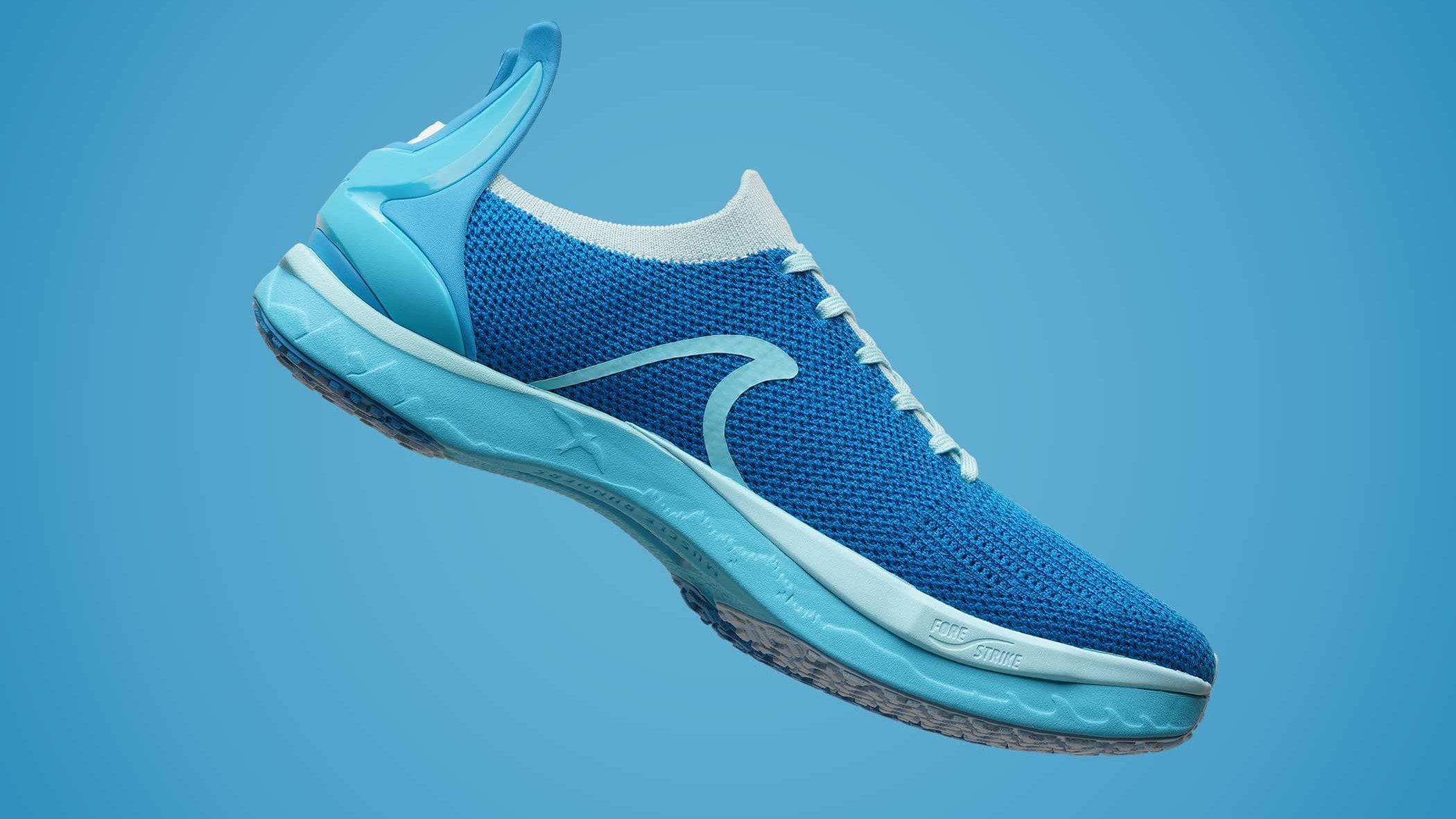
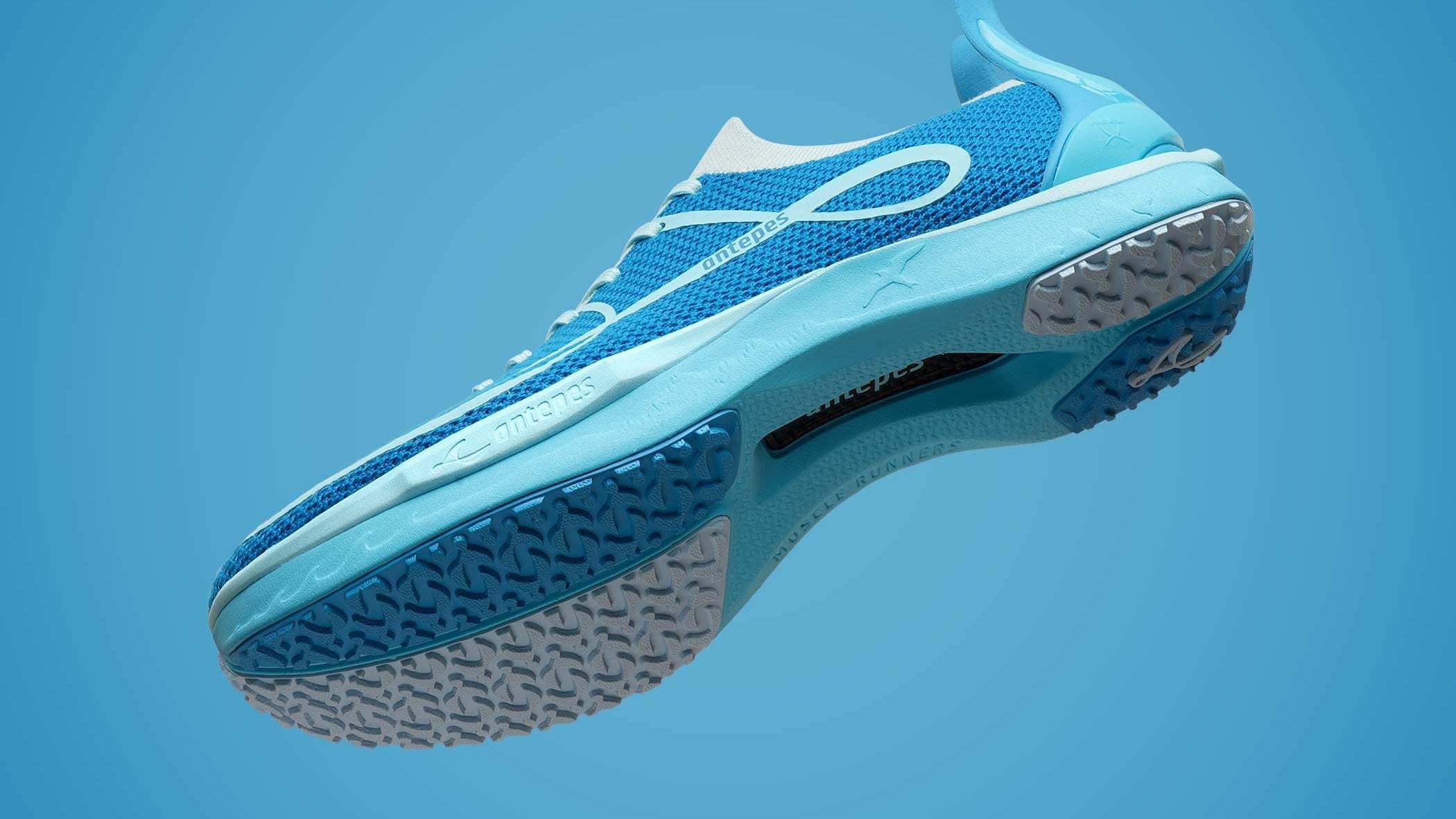
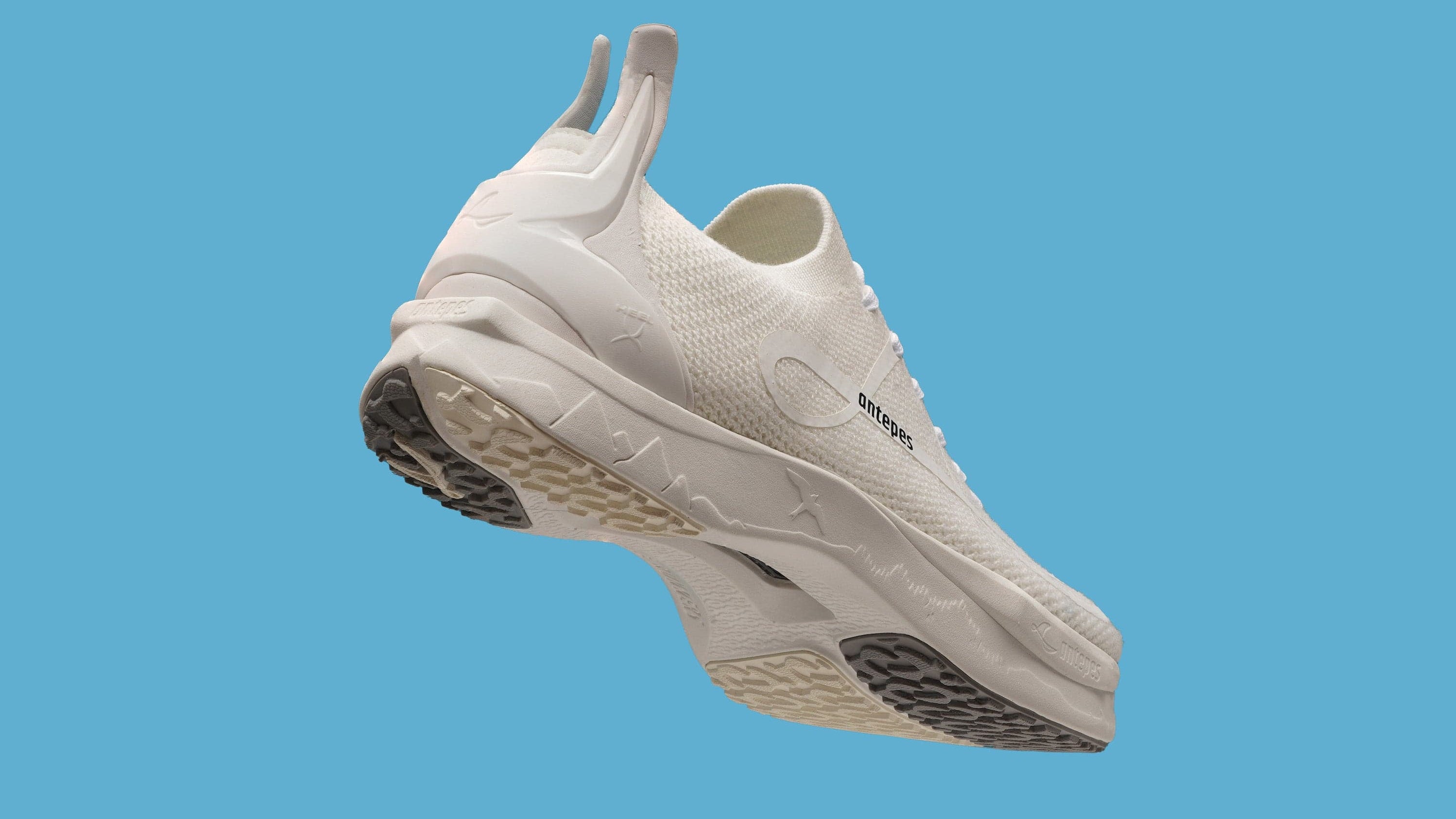
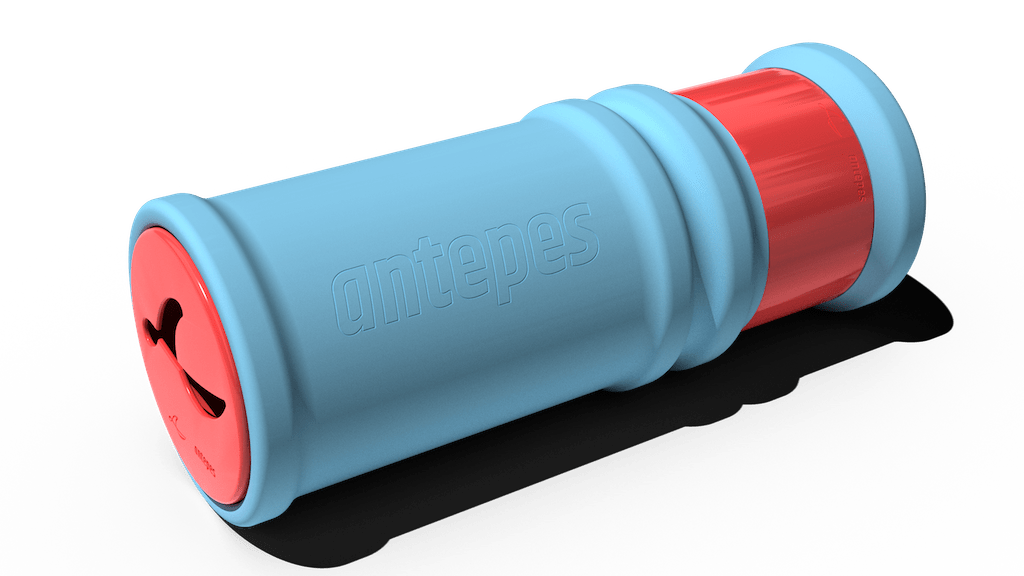
Six issued U.S. patents protect key elements of the Antepes innovation platform—from forefoot-focused sole geometry and coordinated ground contact to anatomical heel retention and portable recovery equipment.


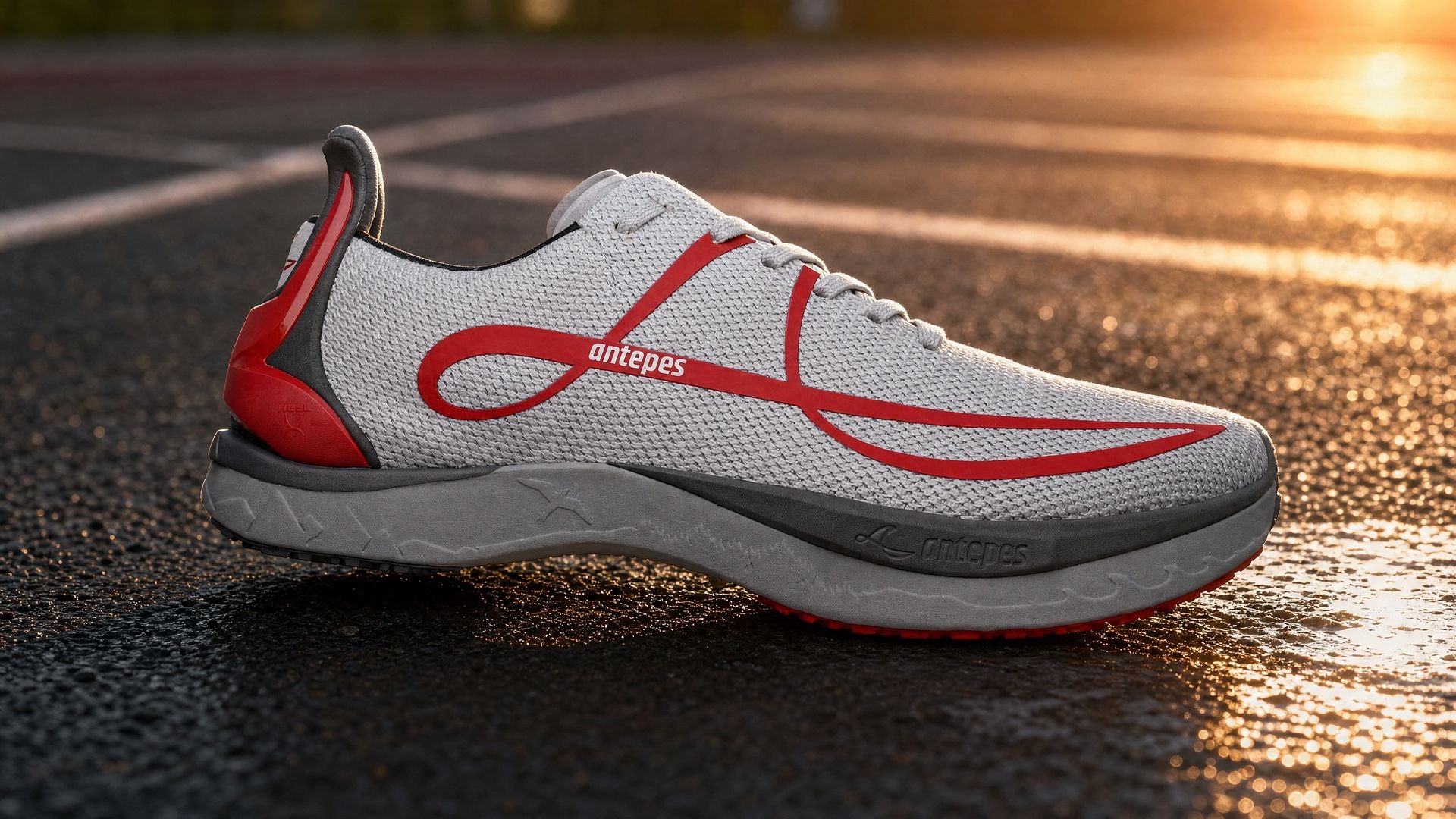
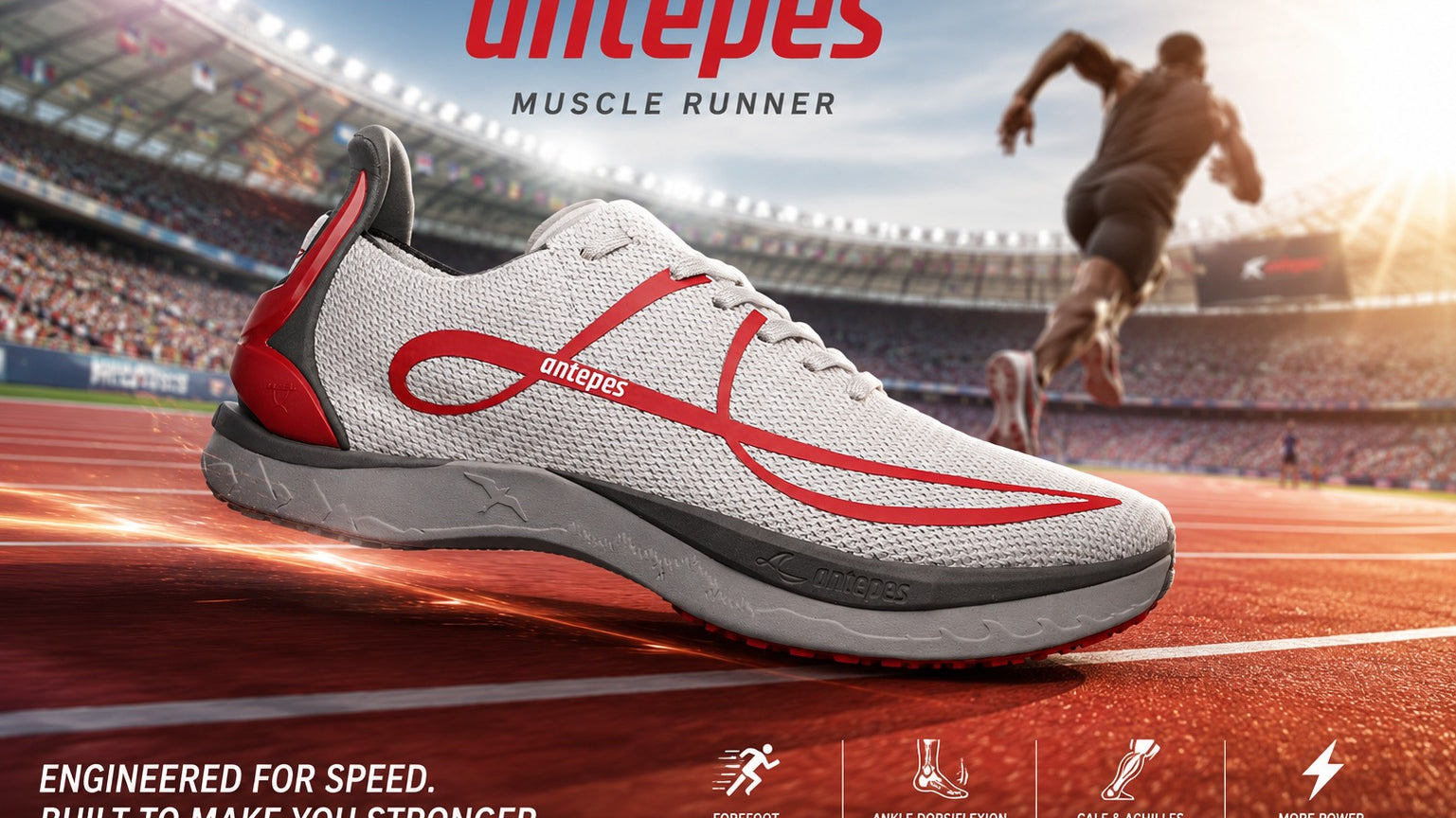
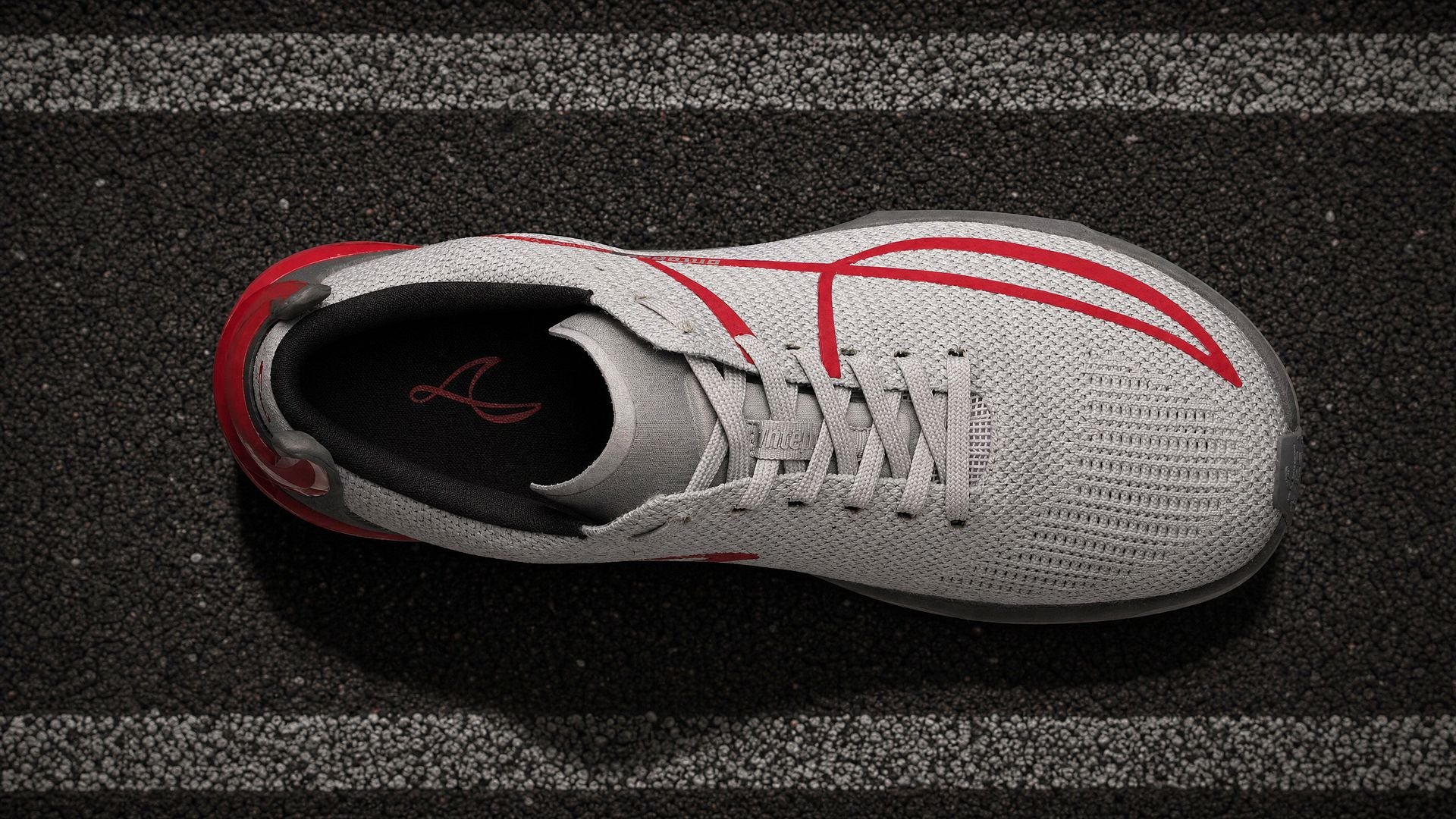
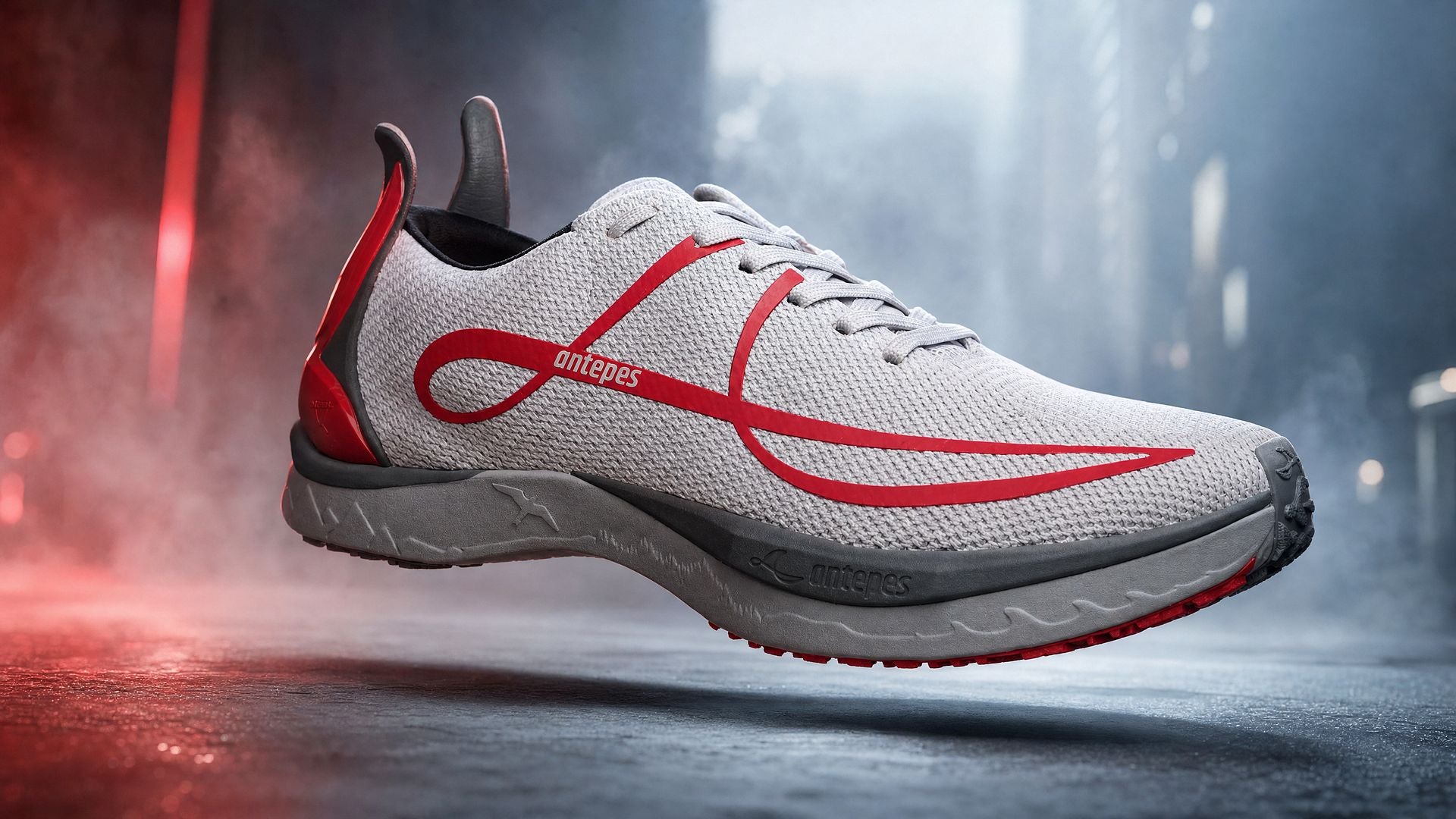
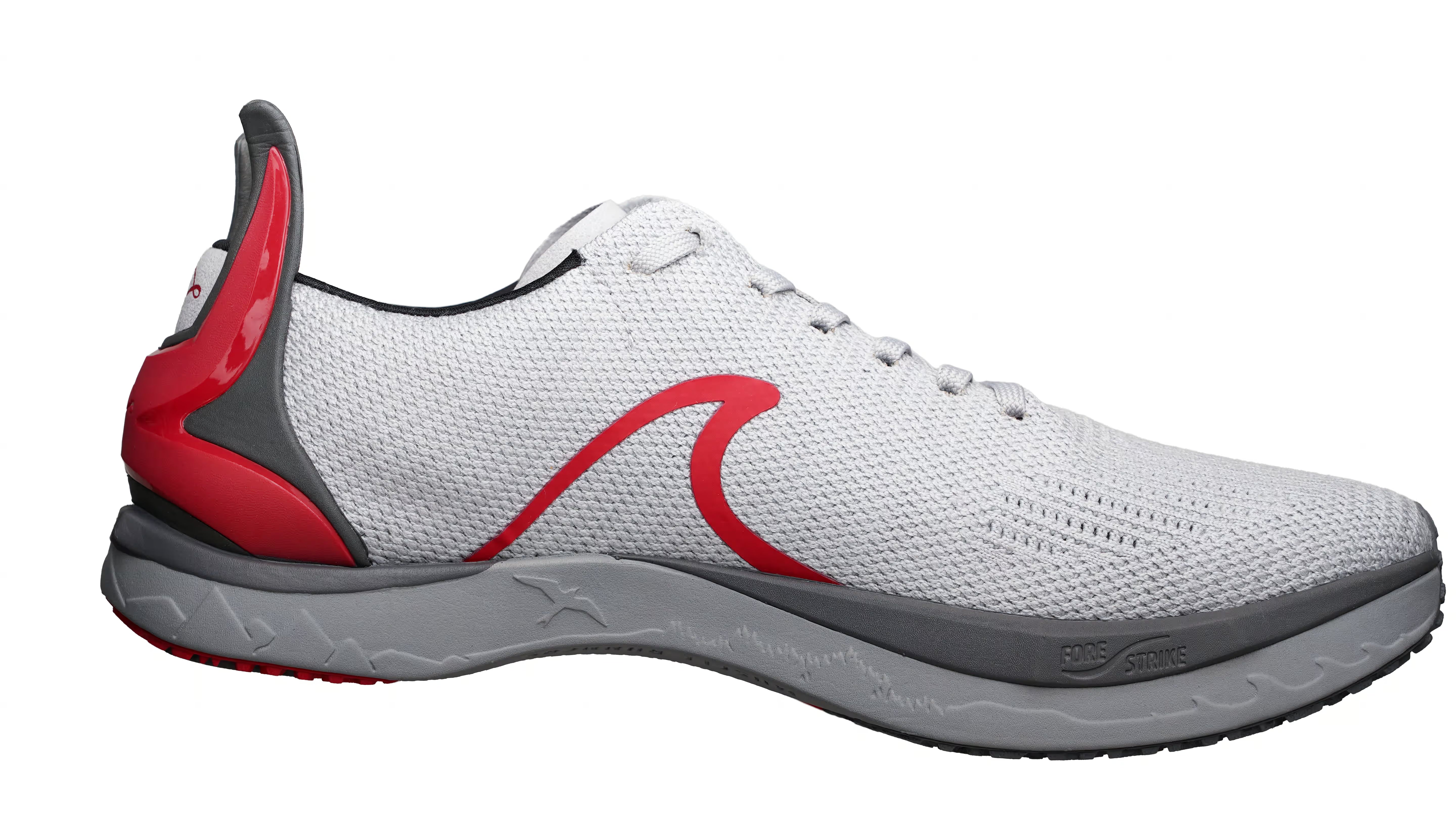
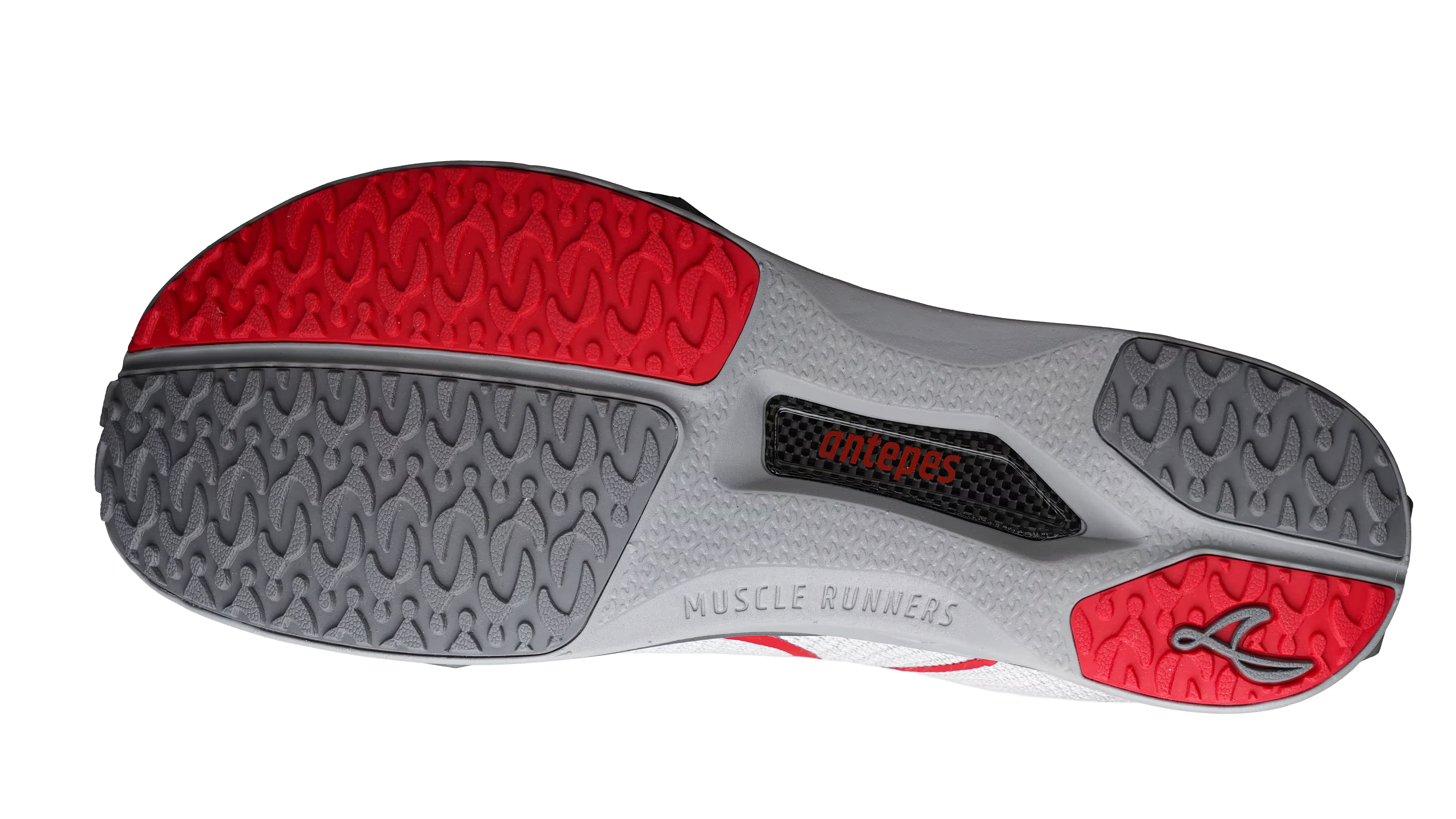
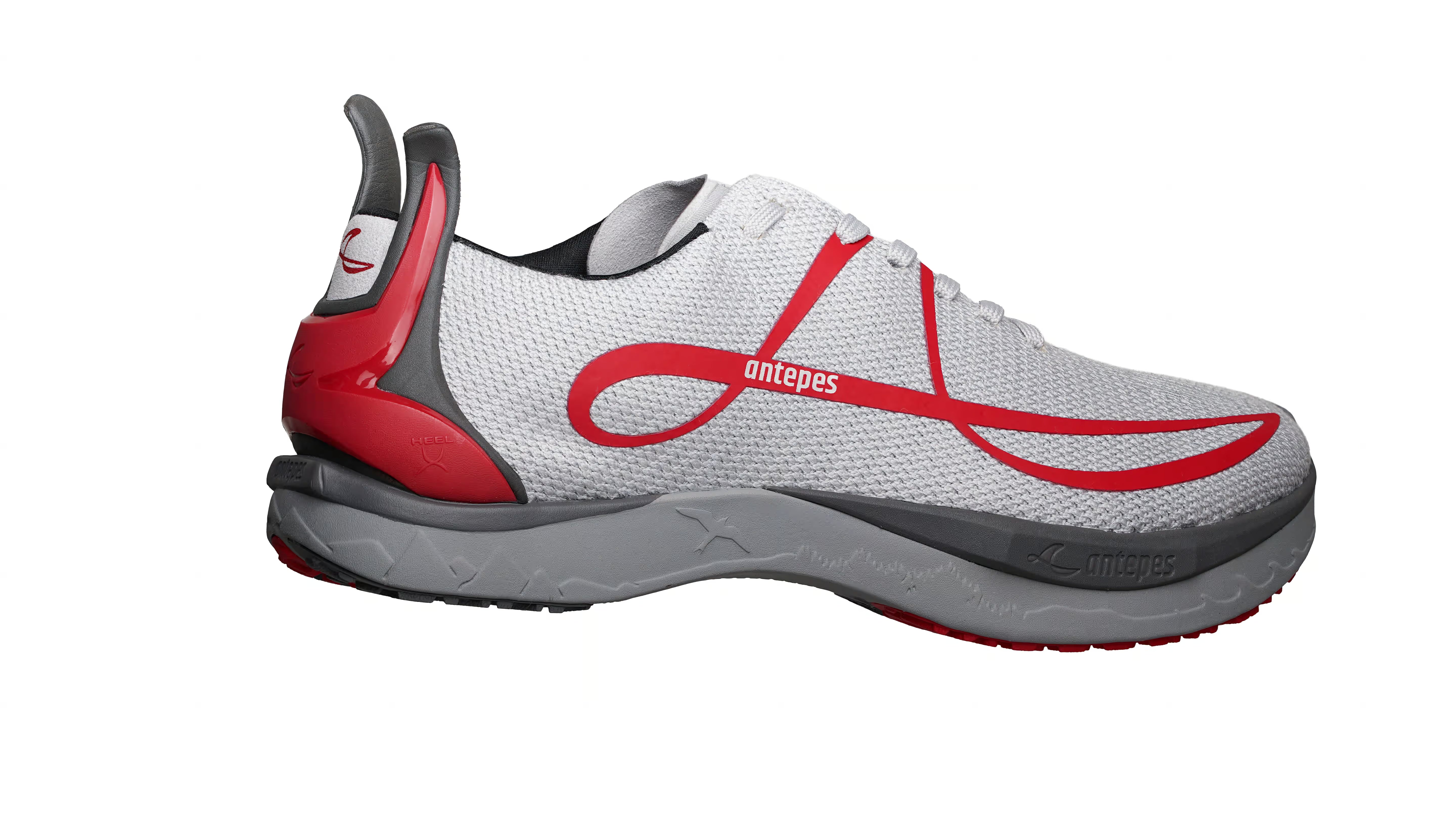
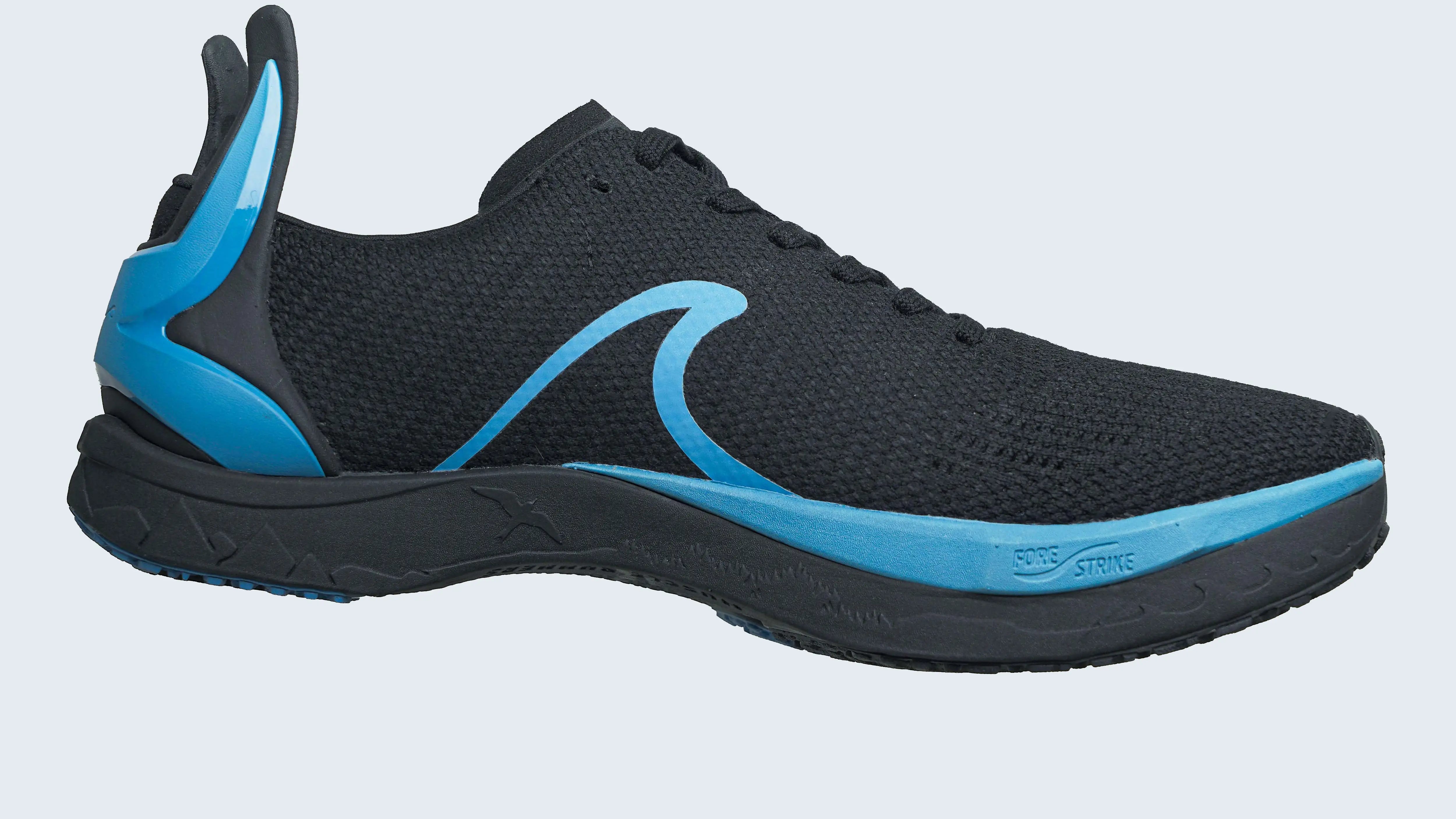
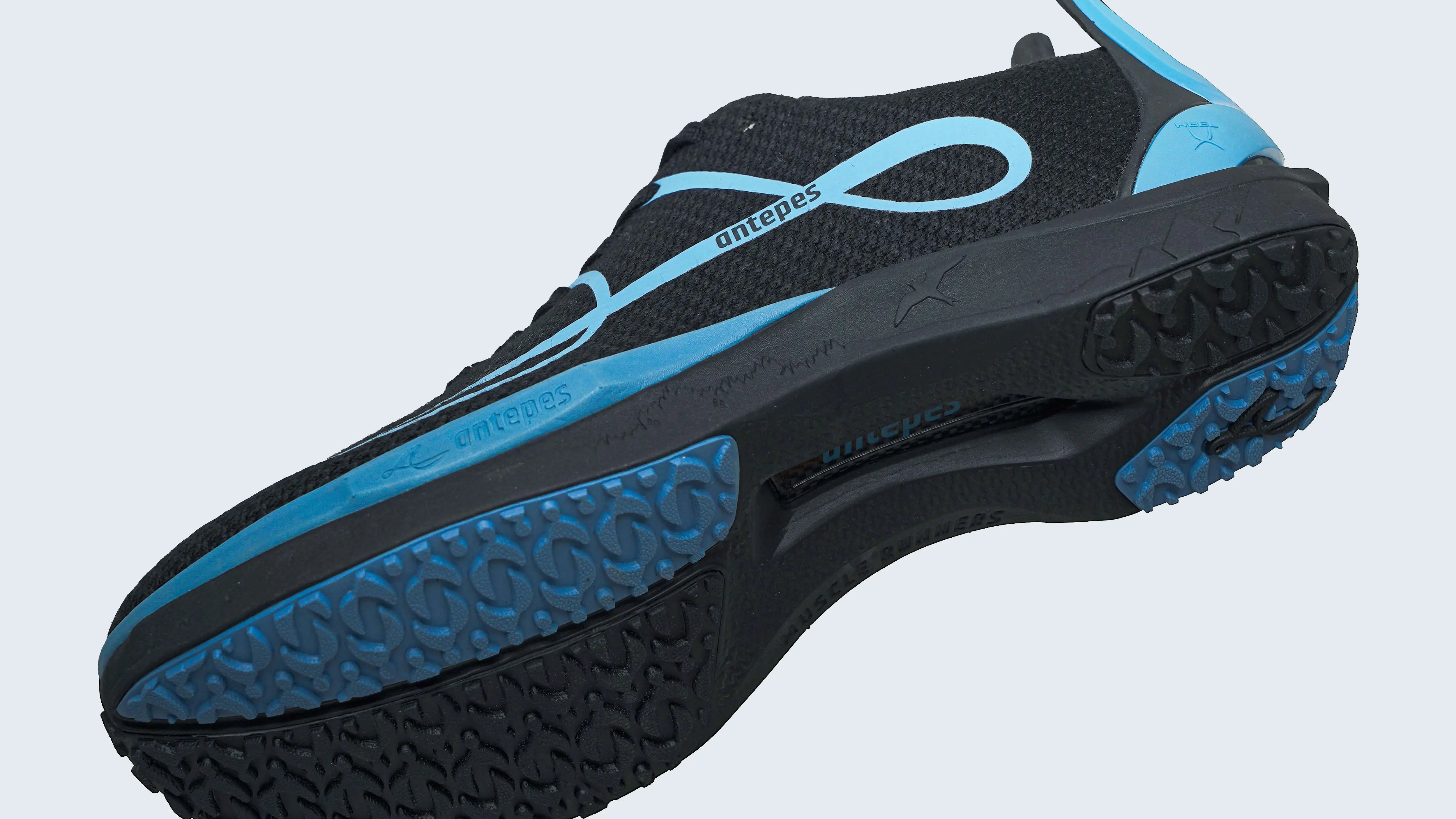
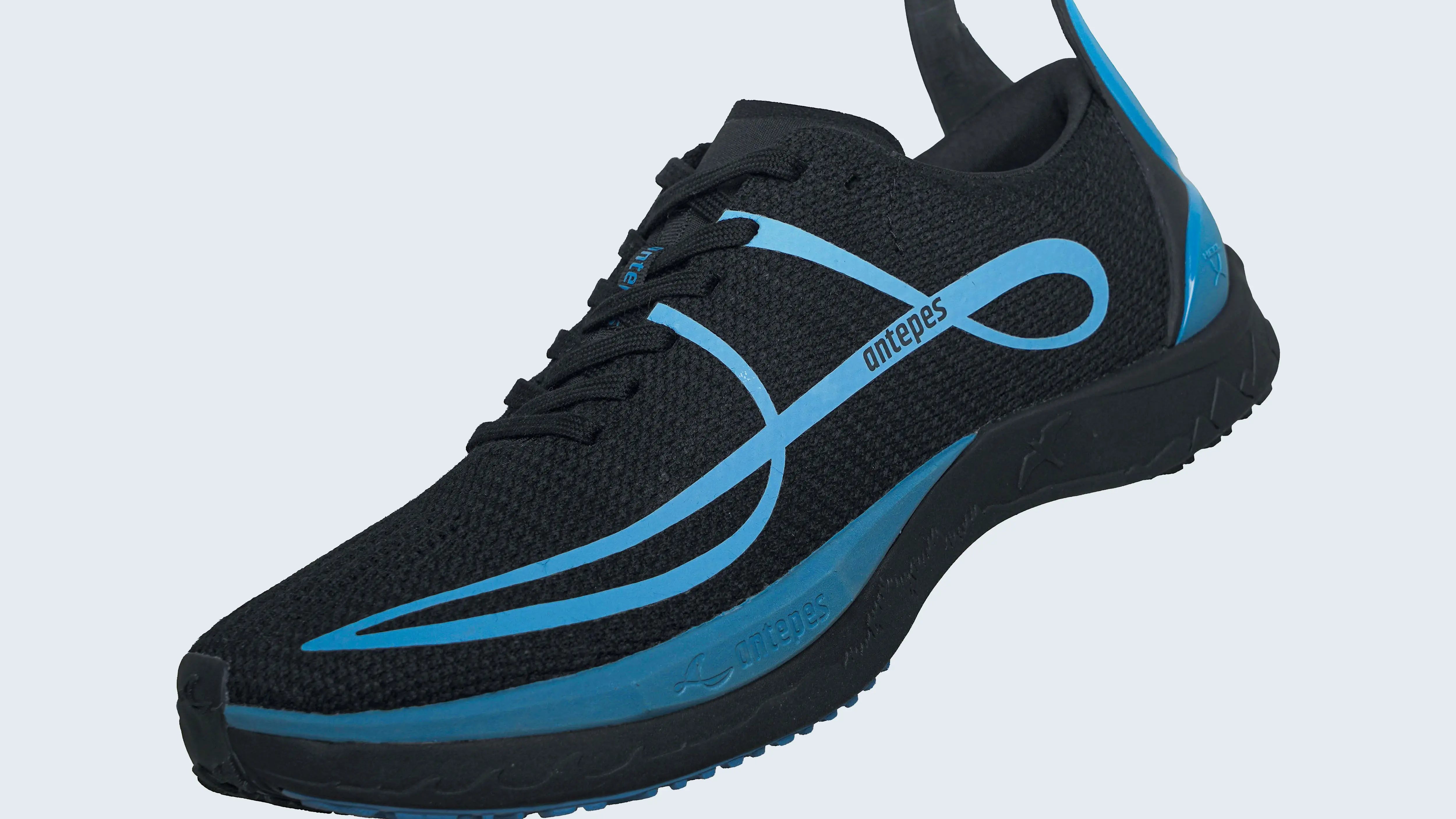
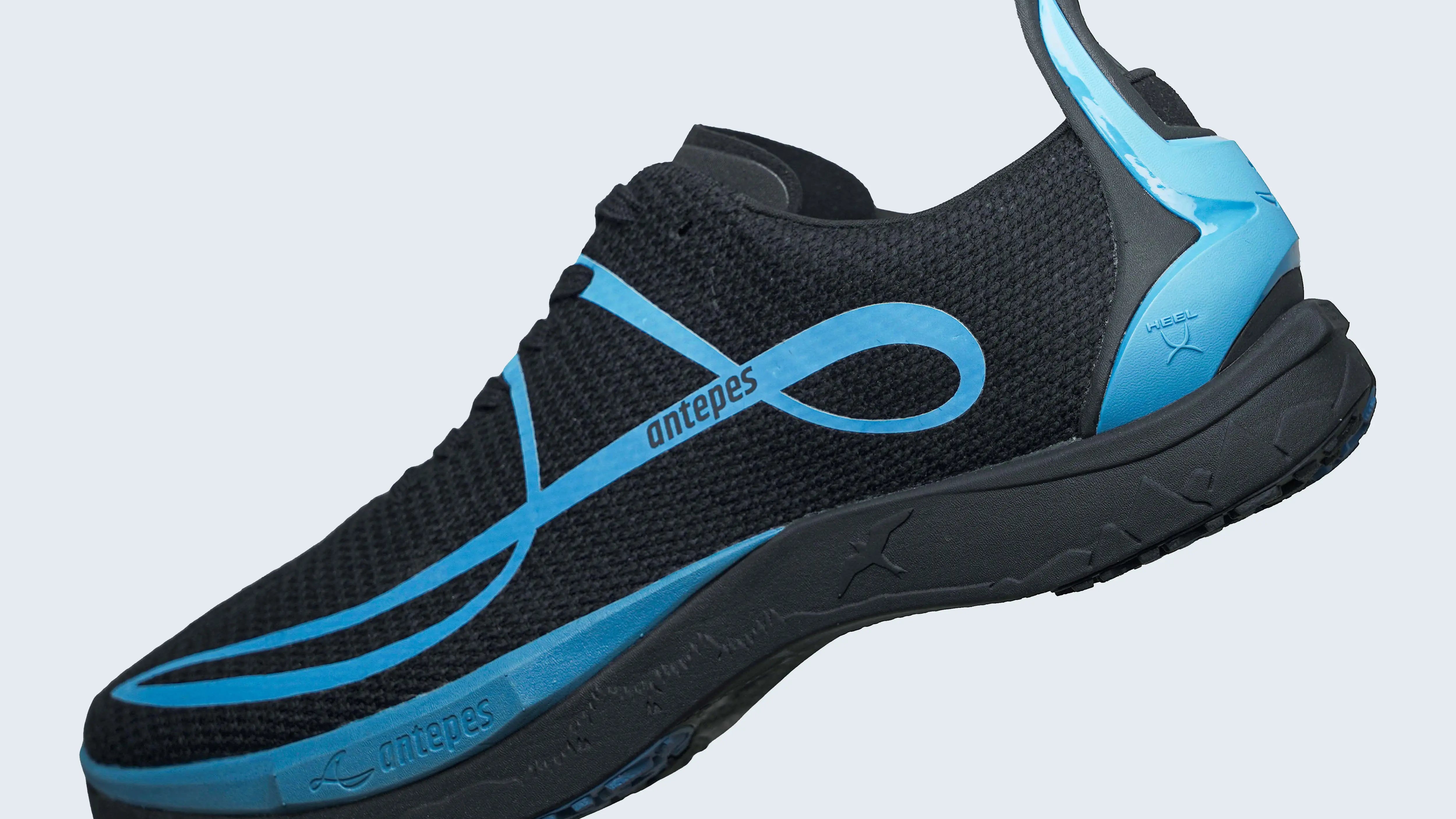
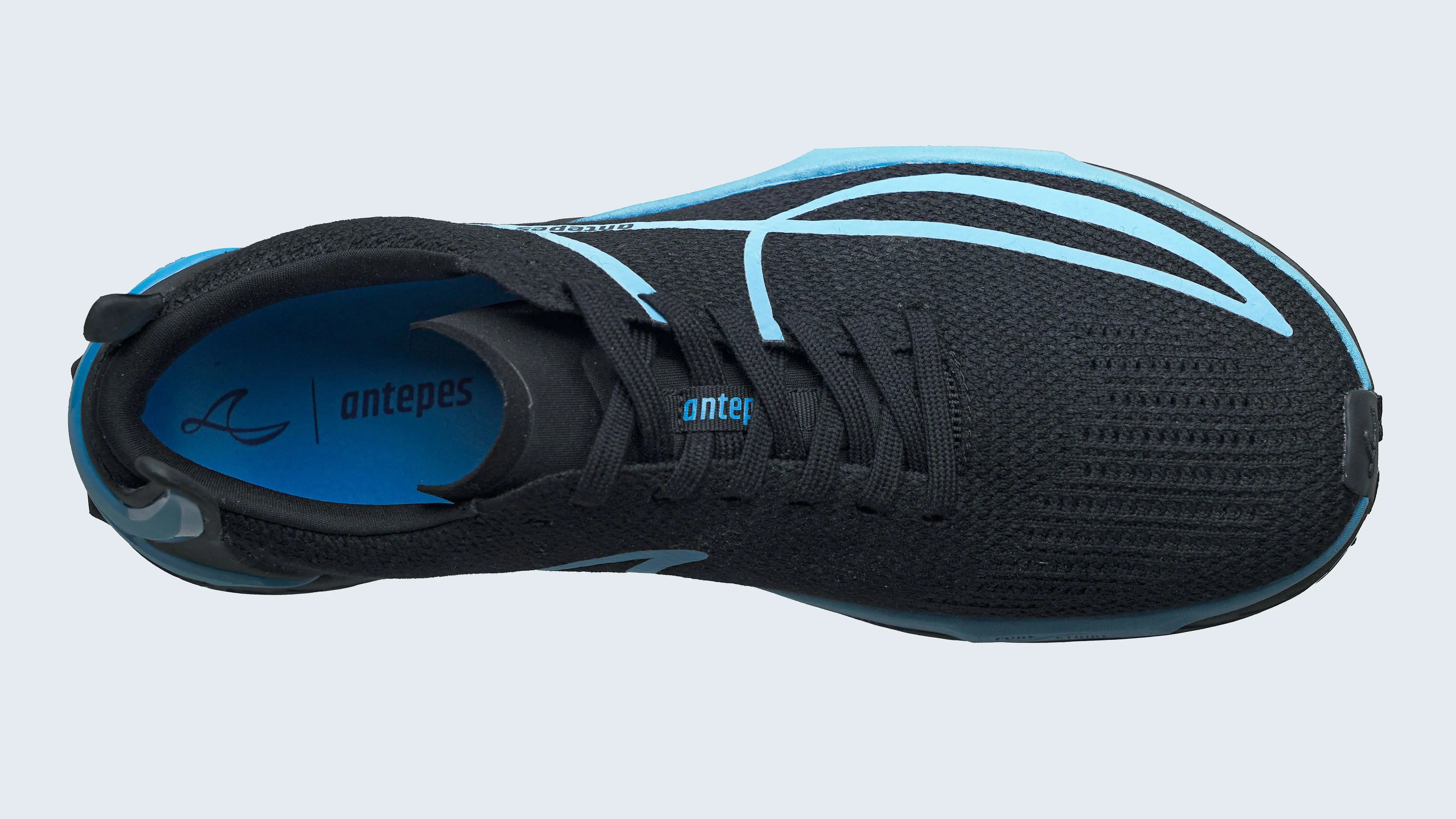
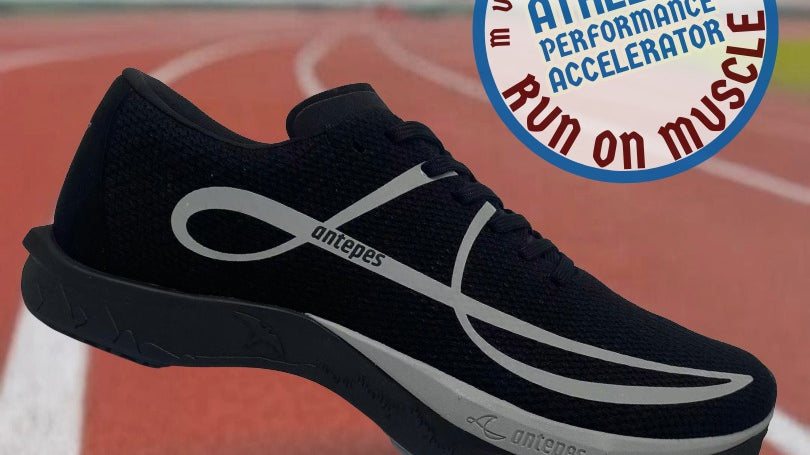
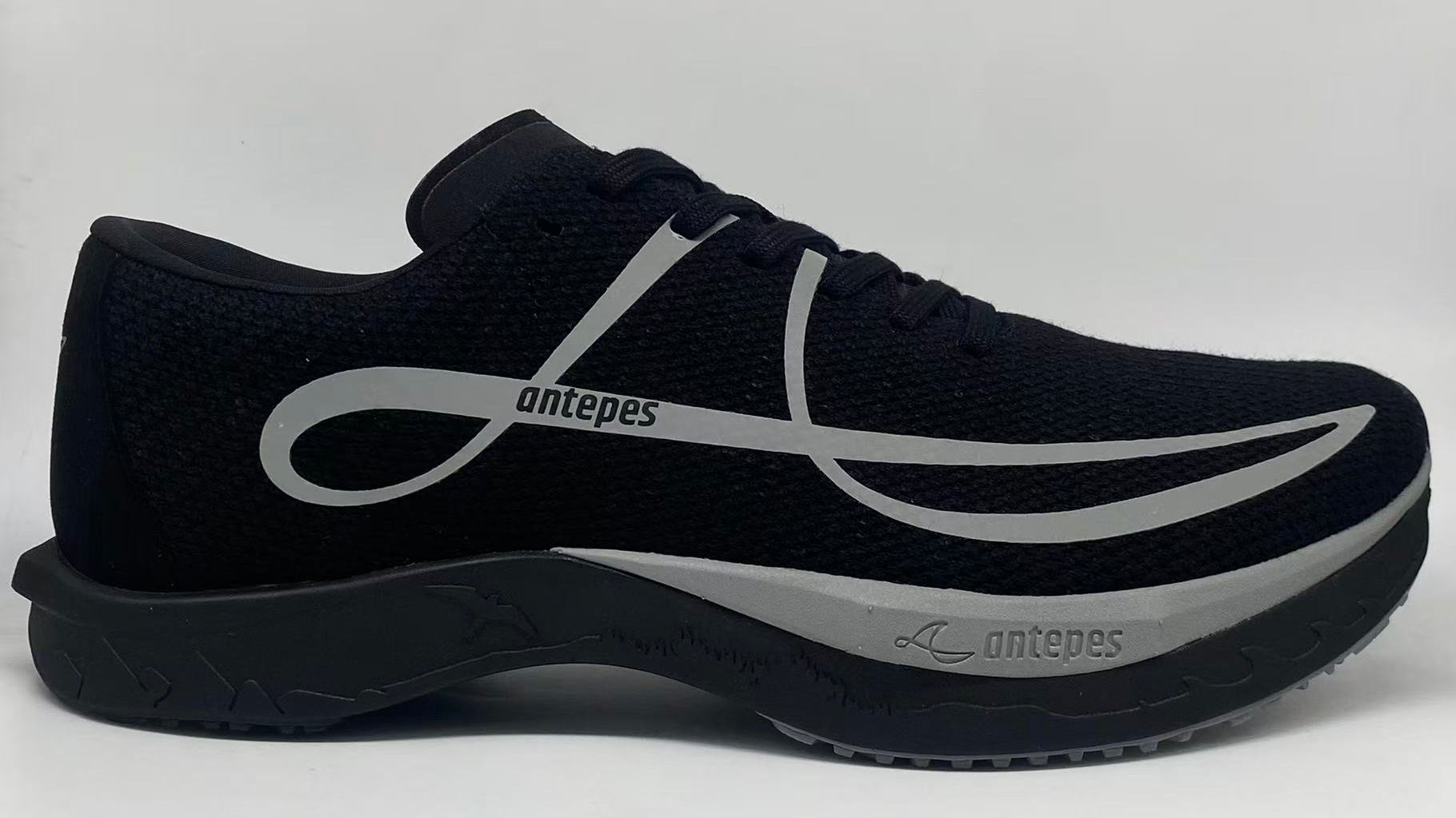
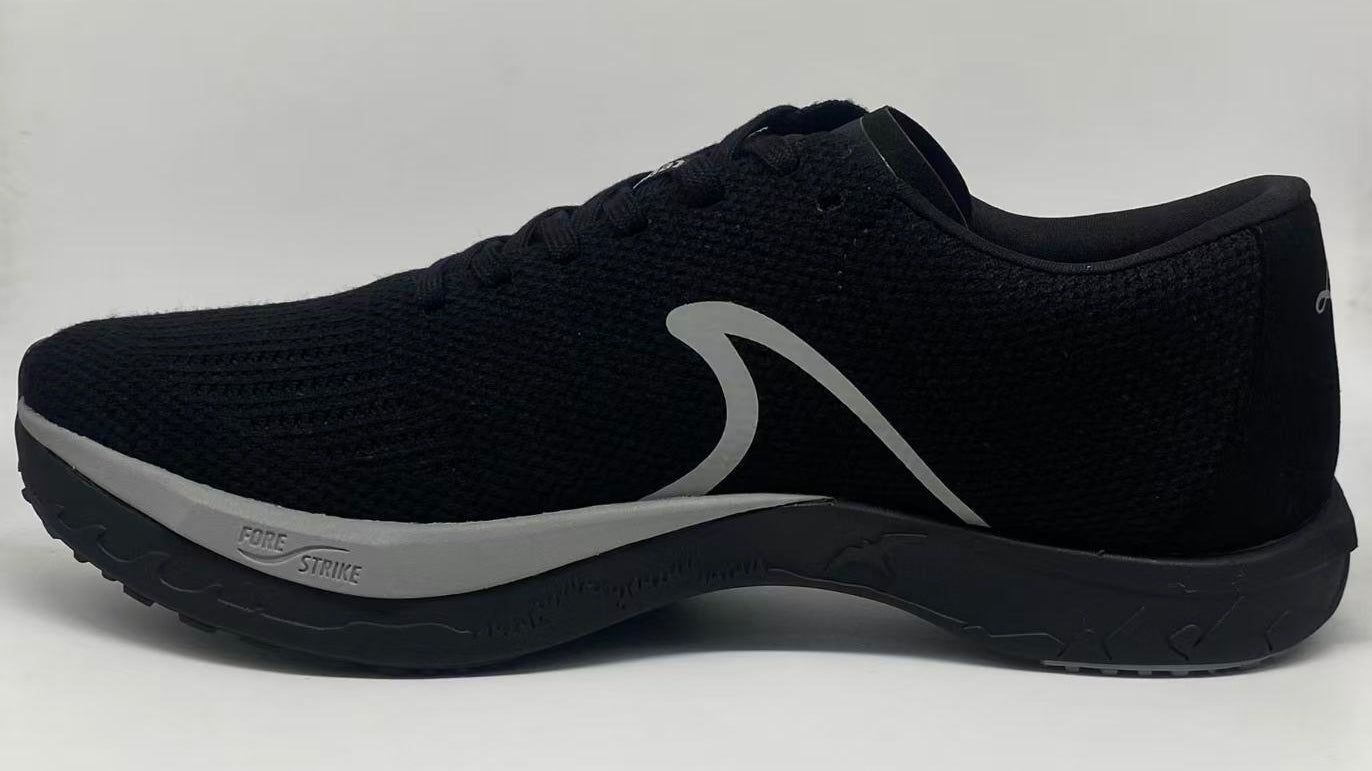
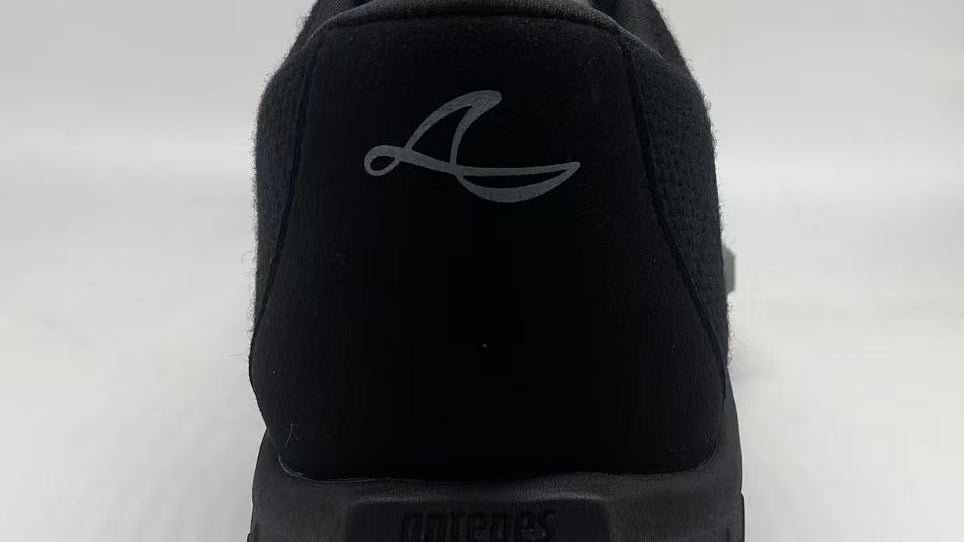
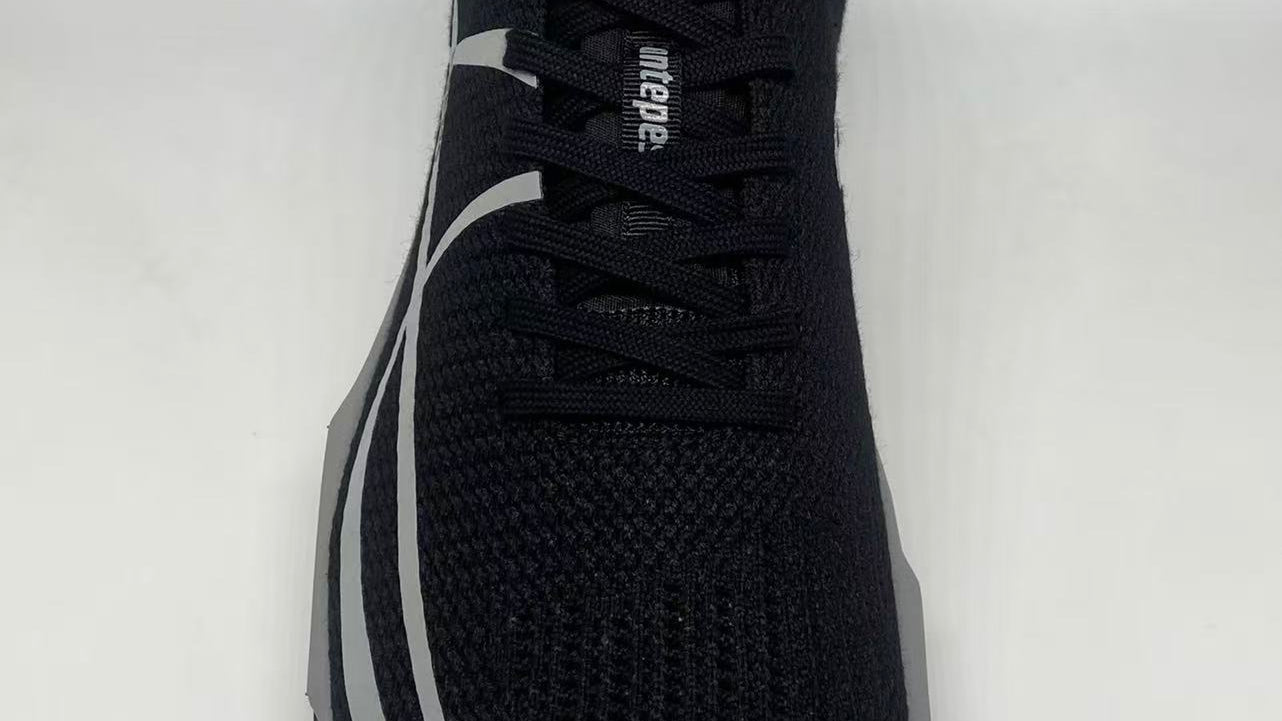
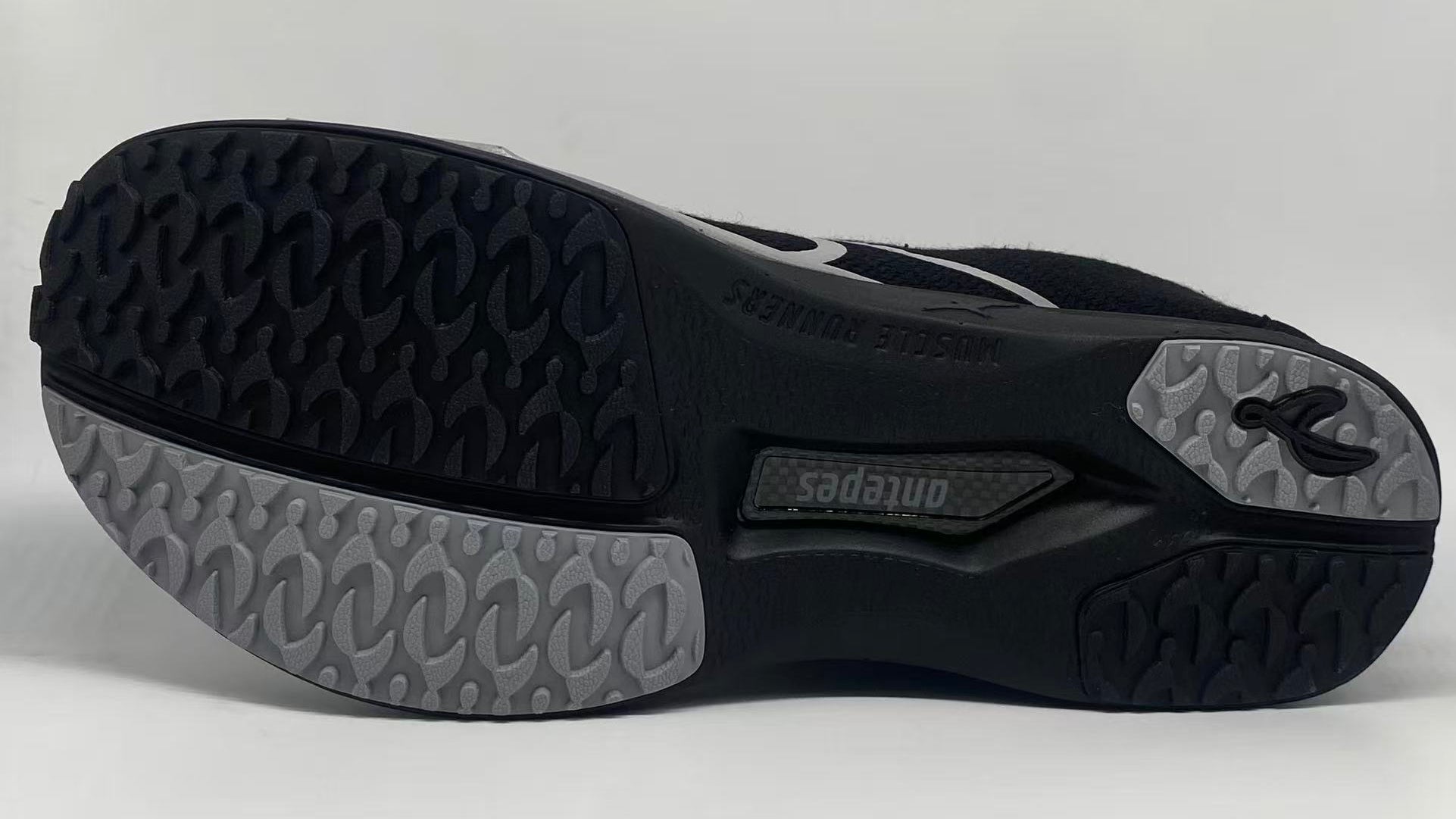
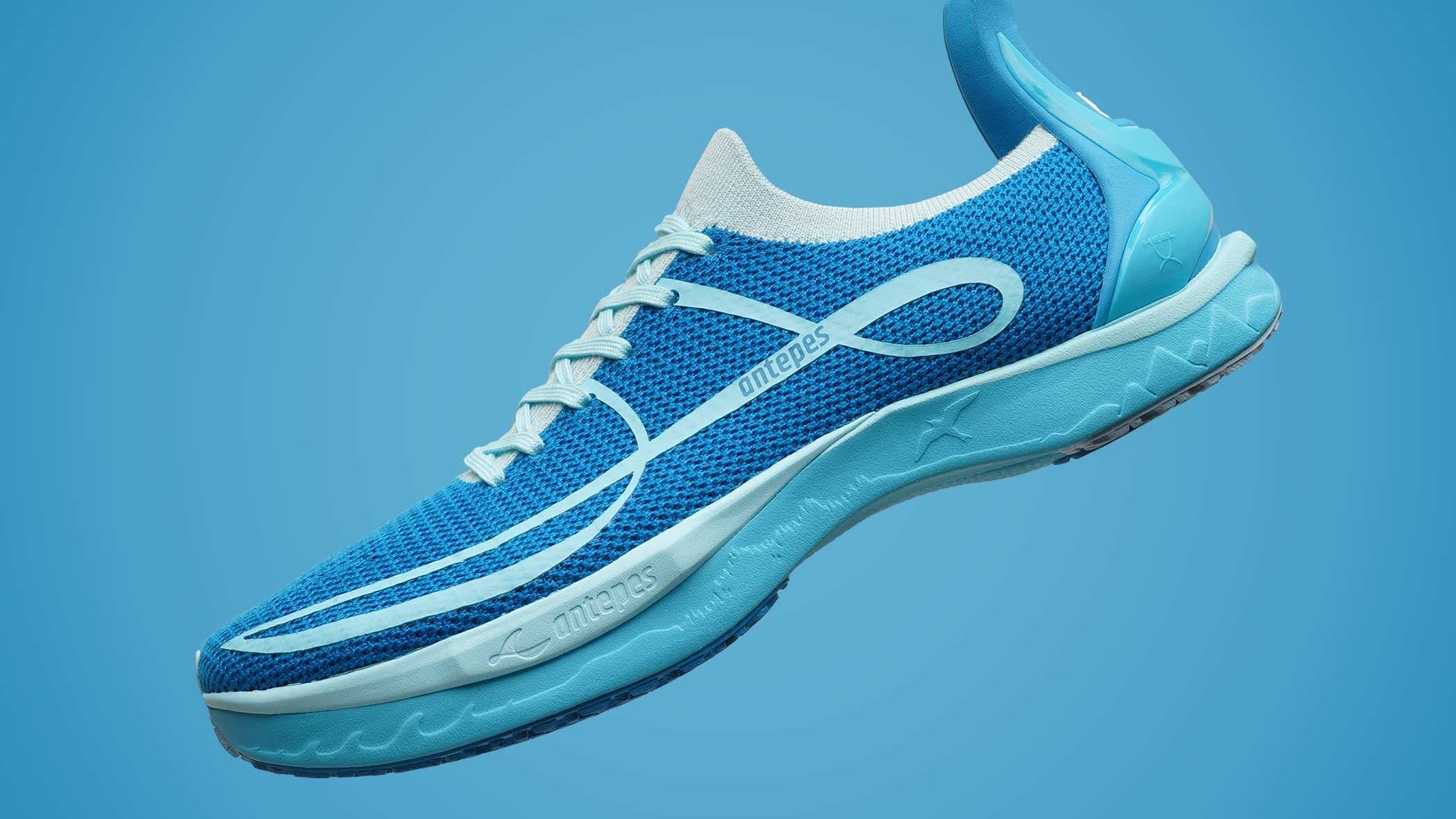
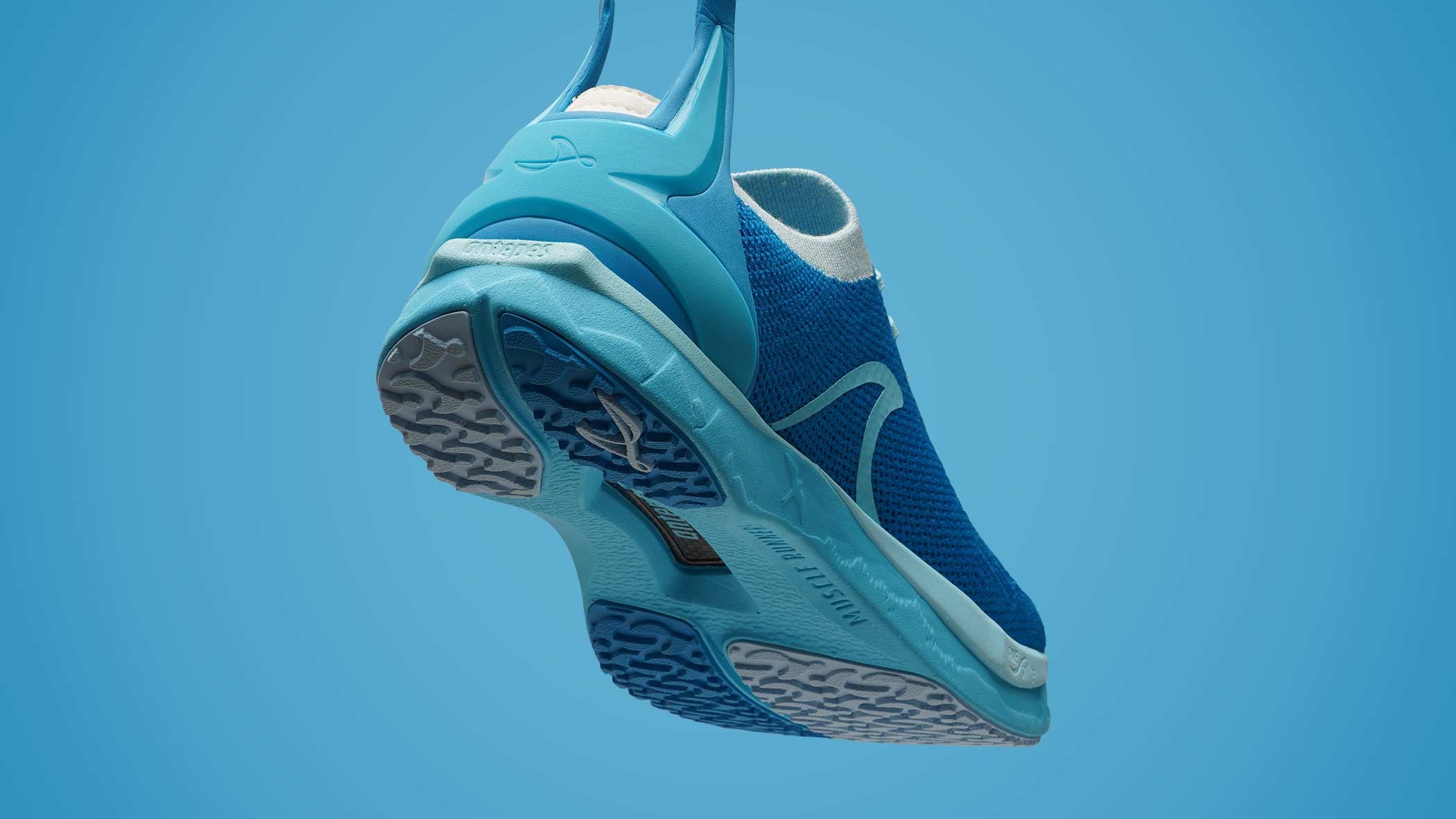
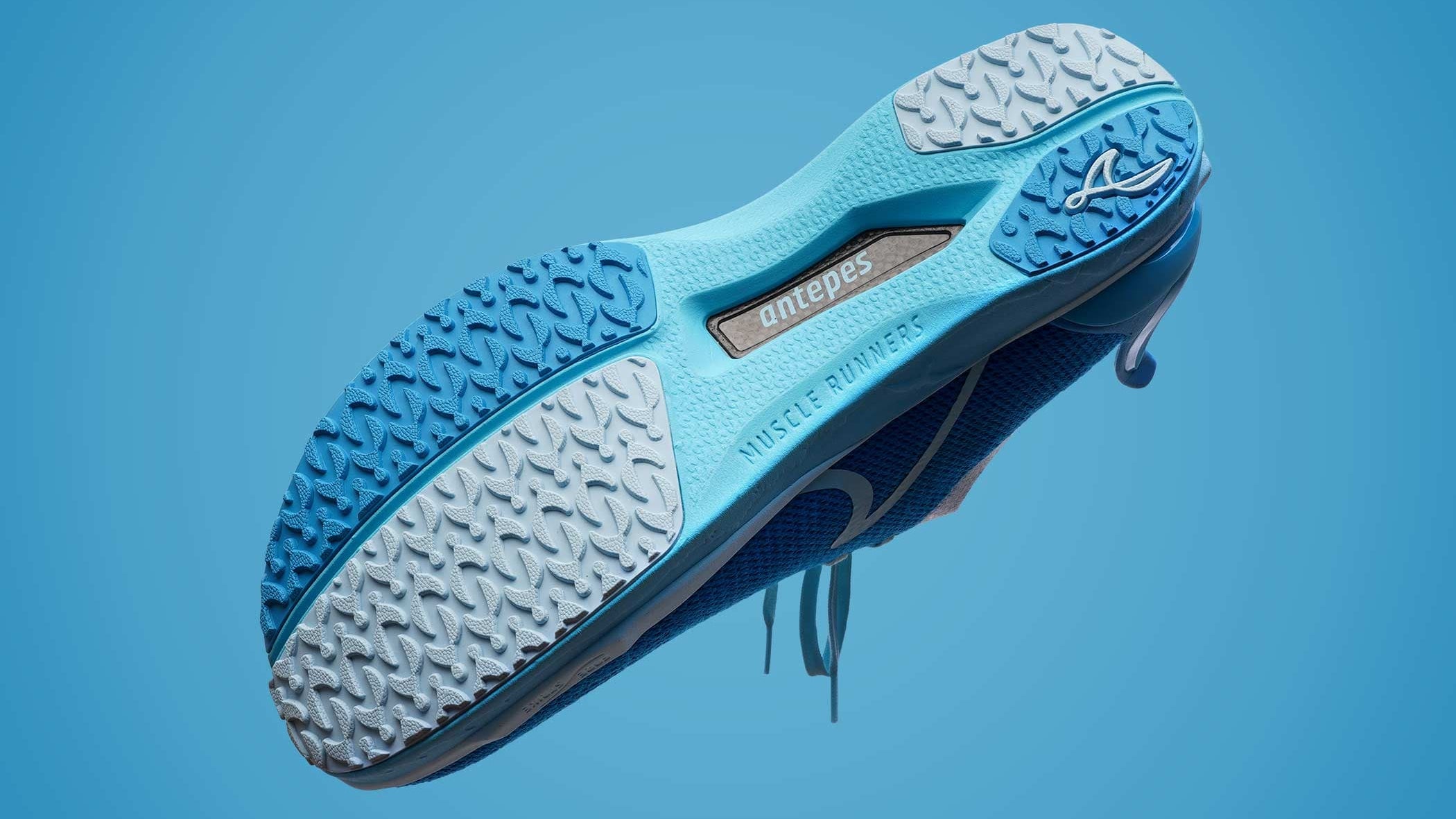
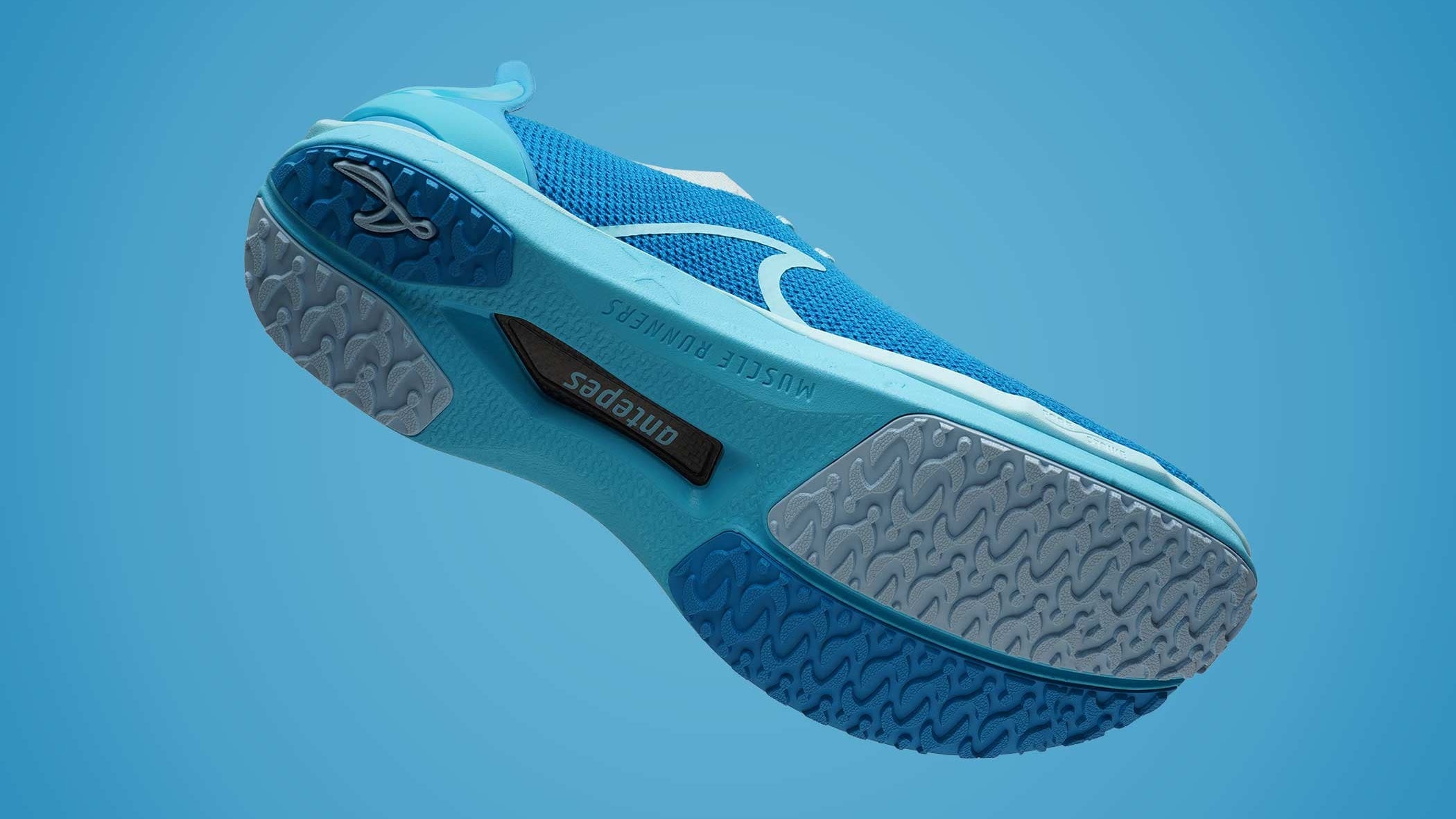
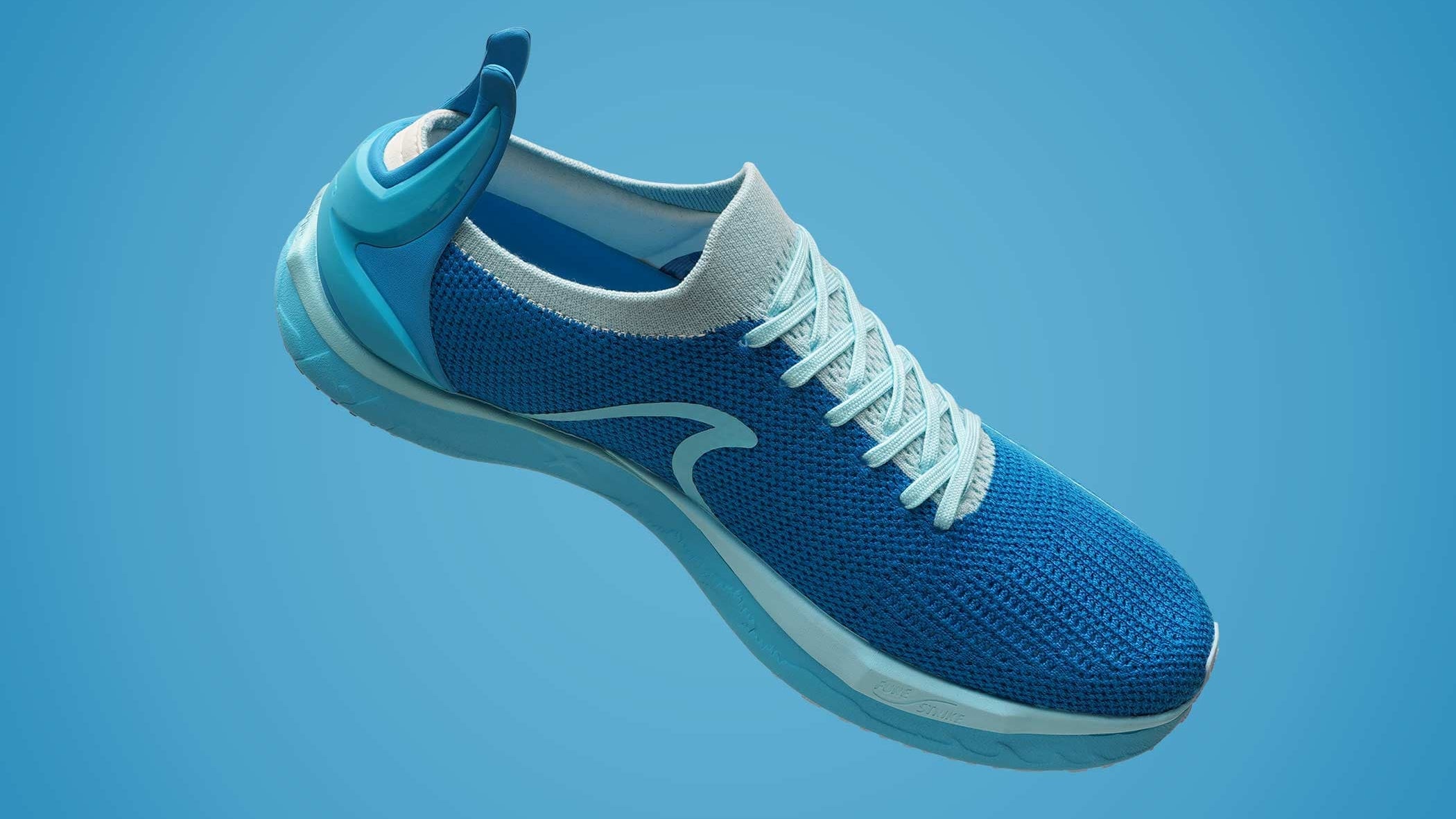
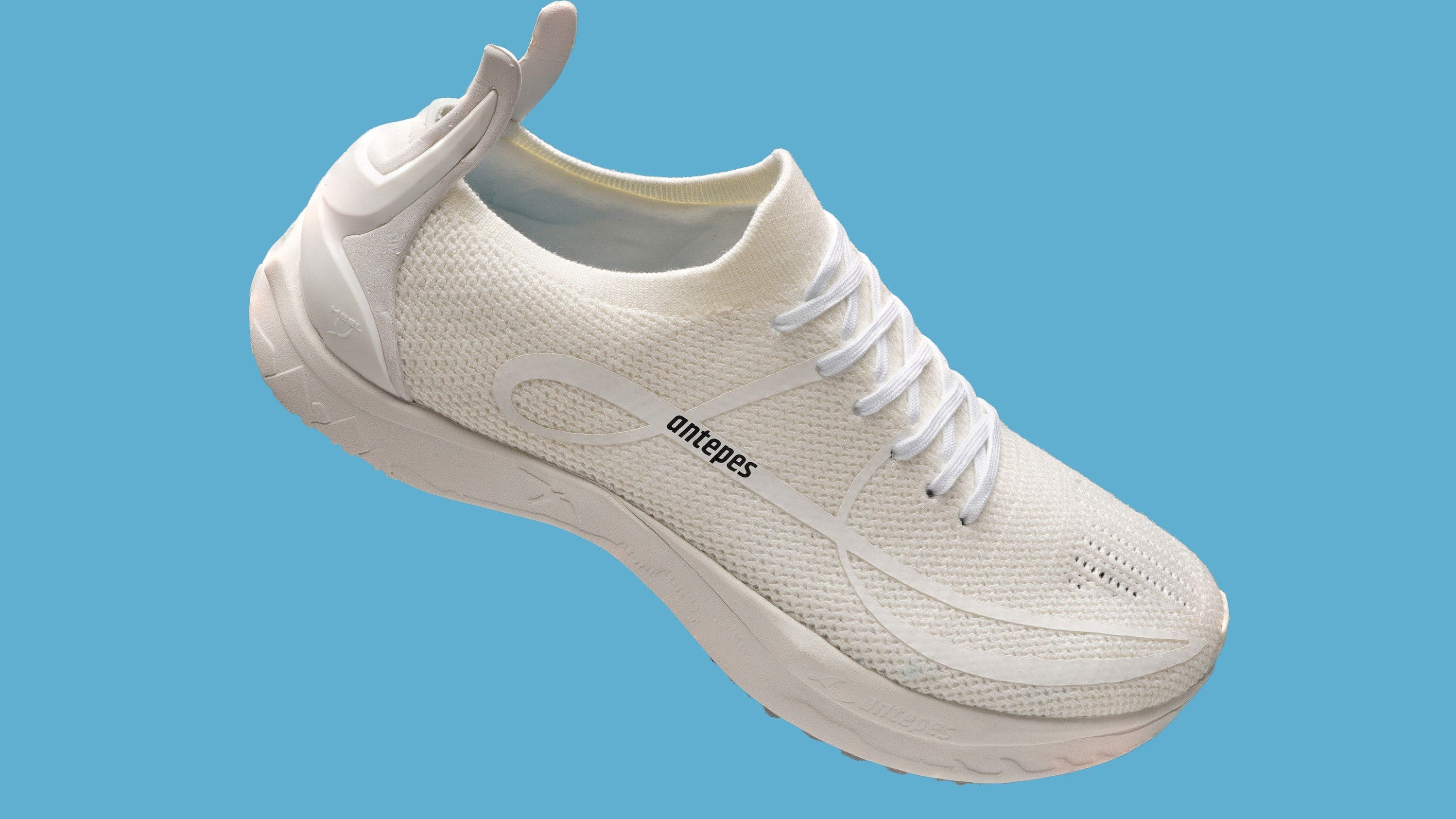
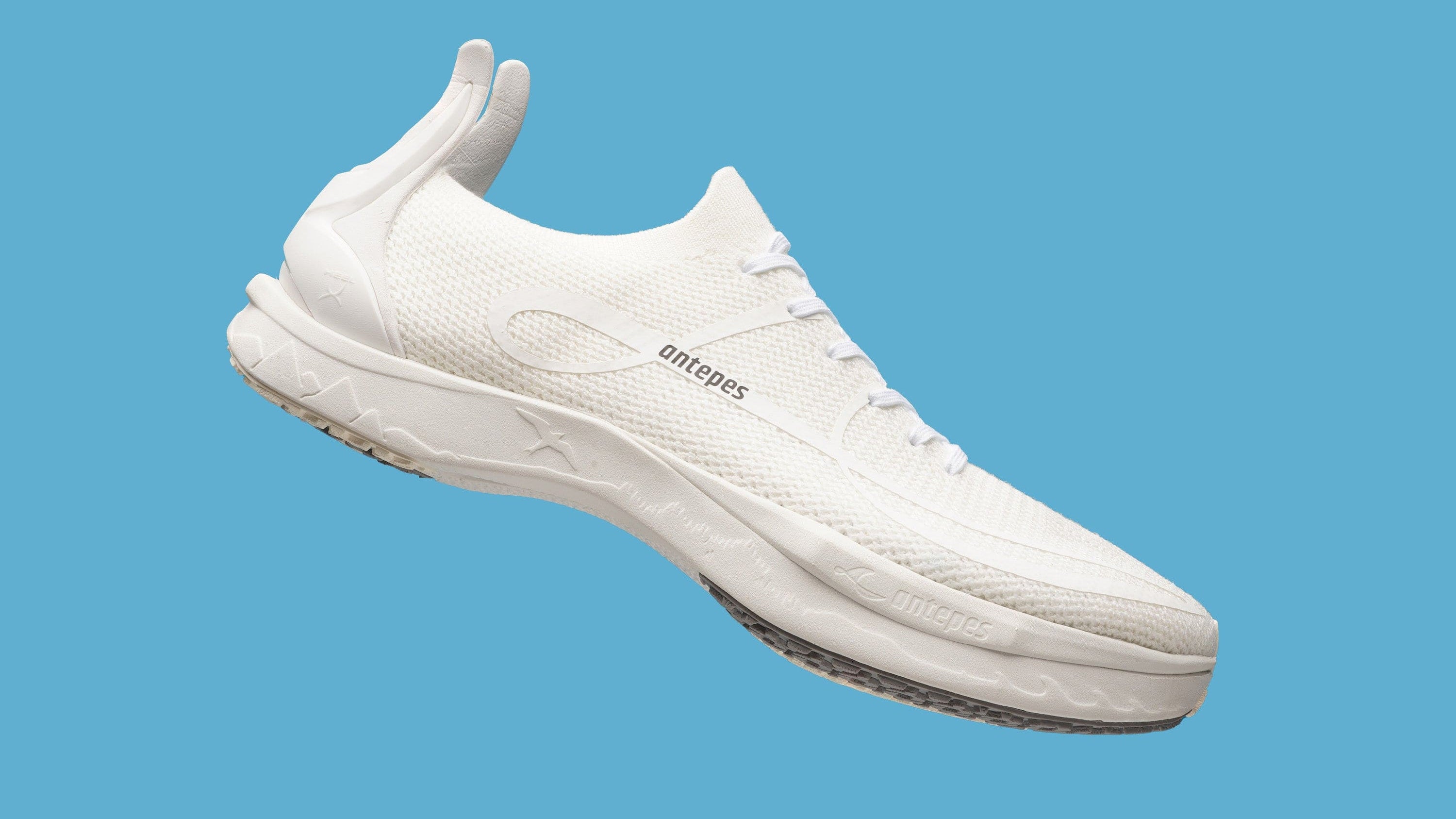
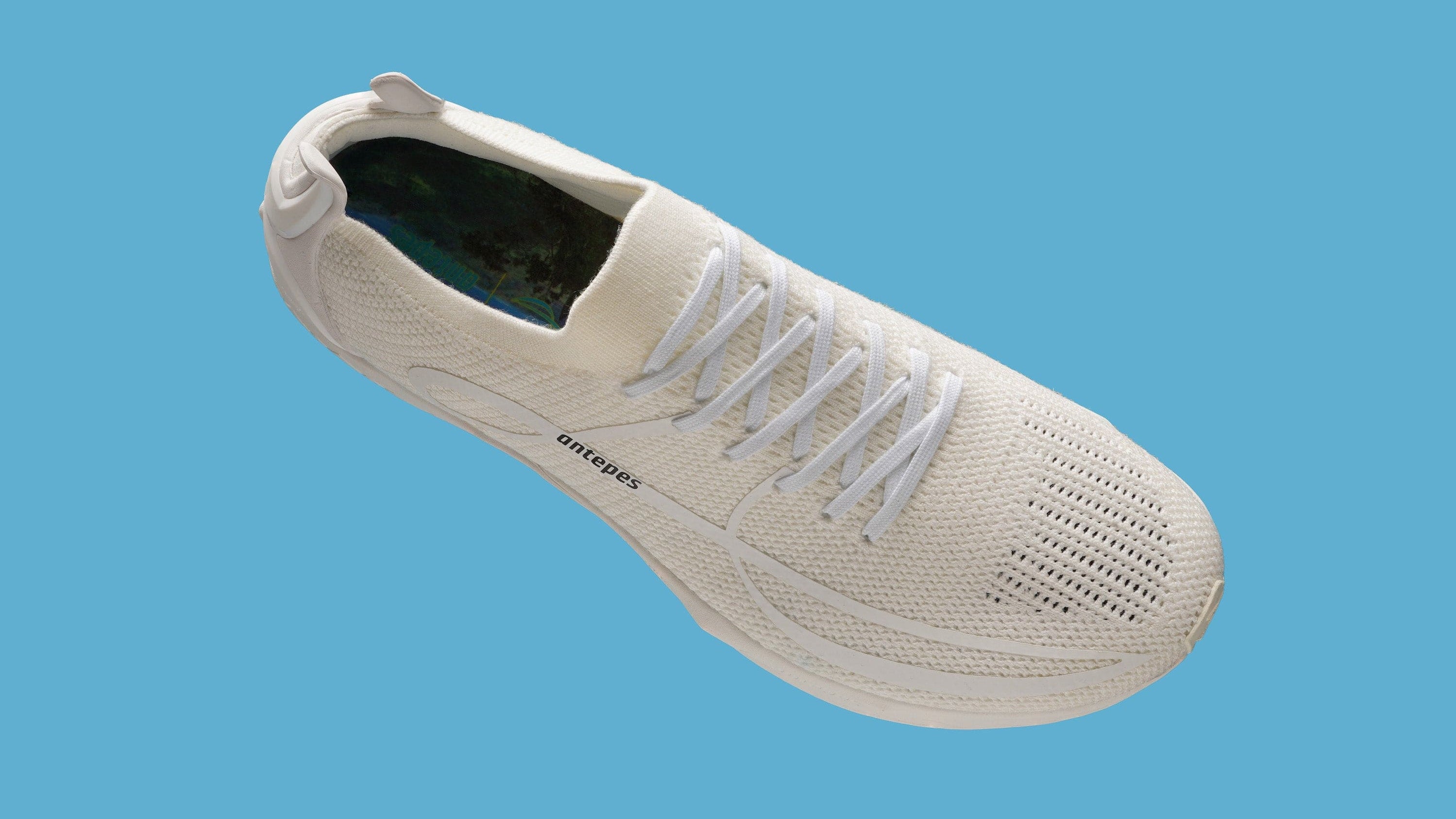
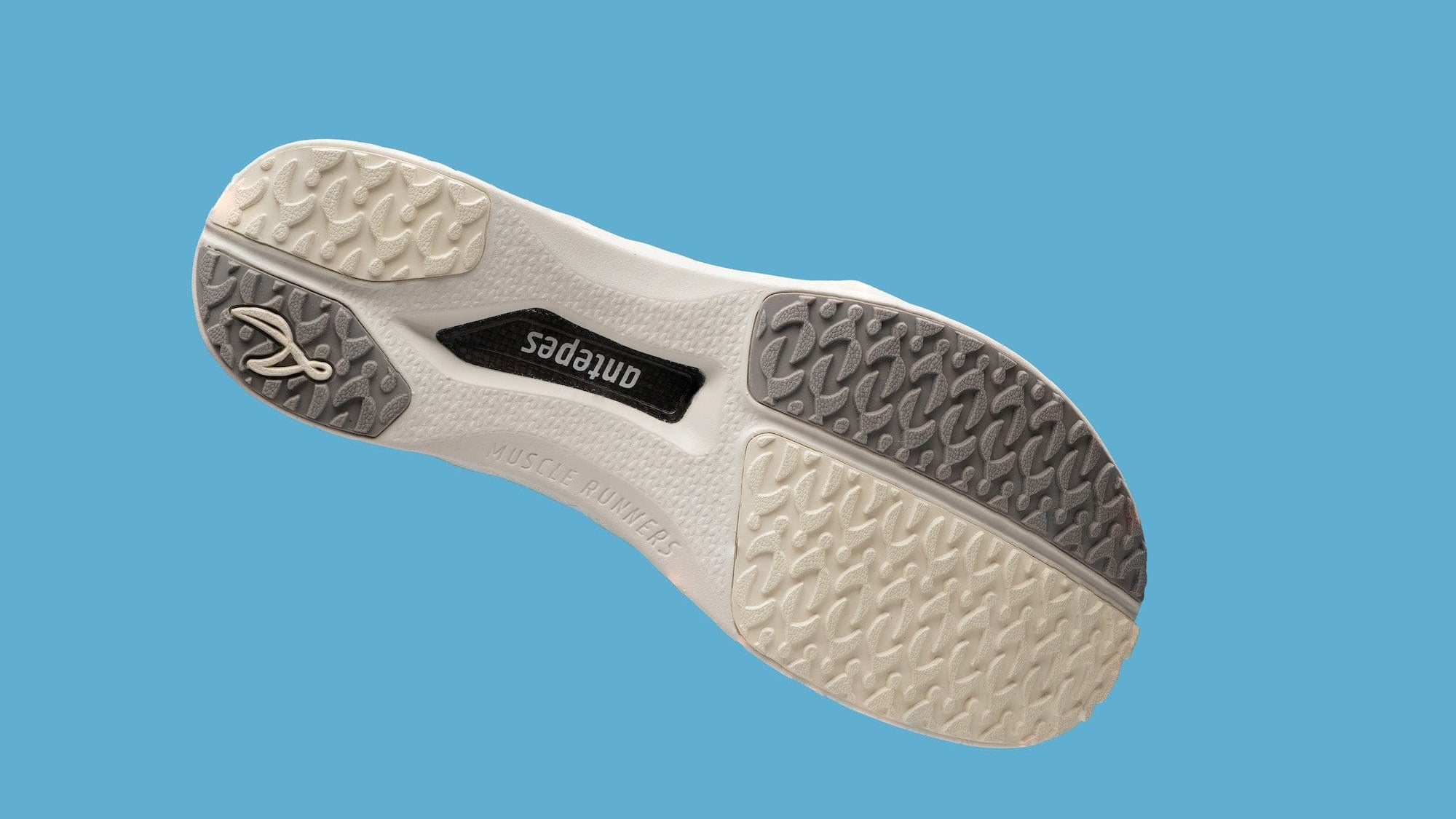
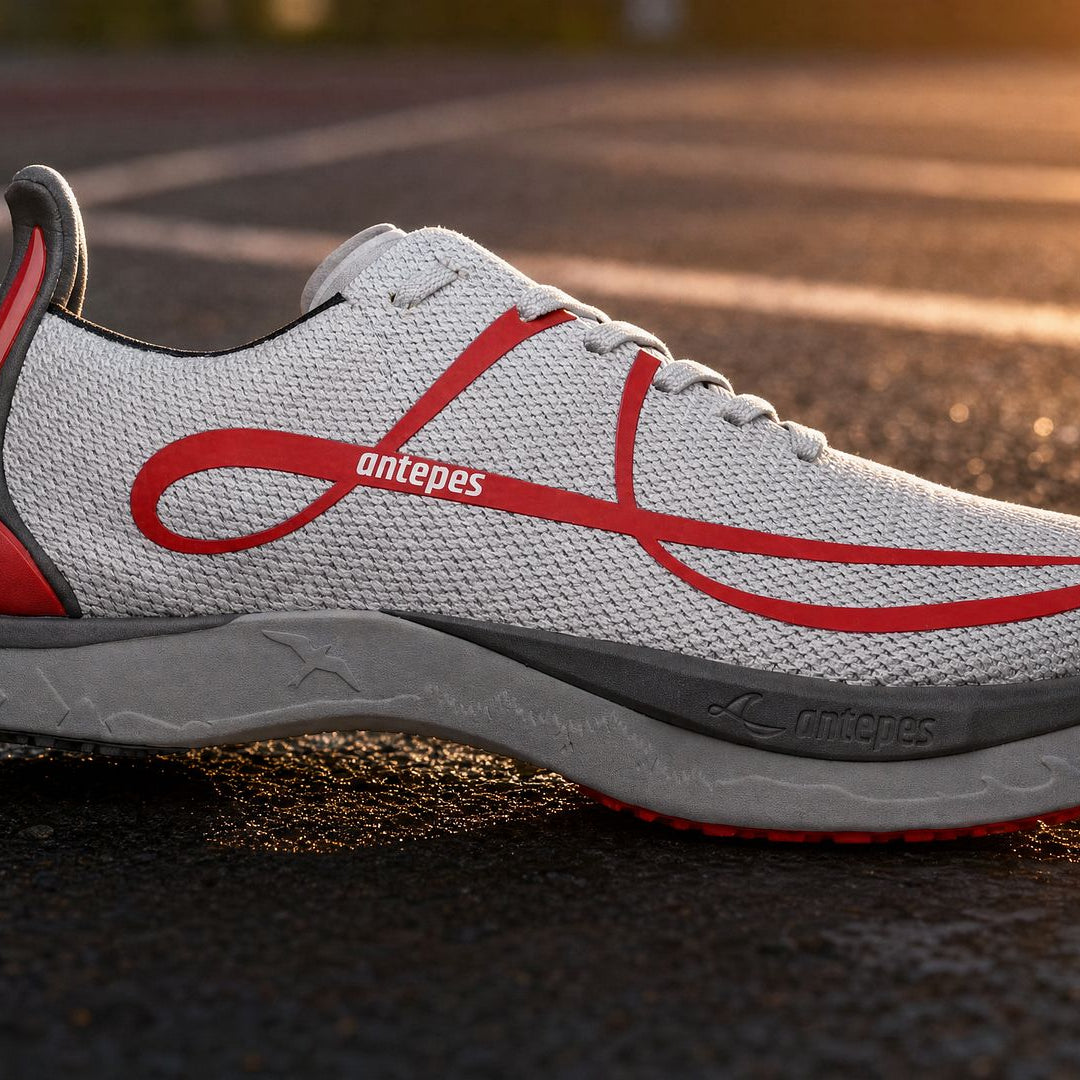
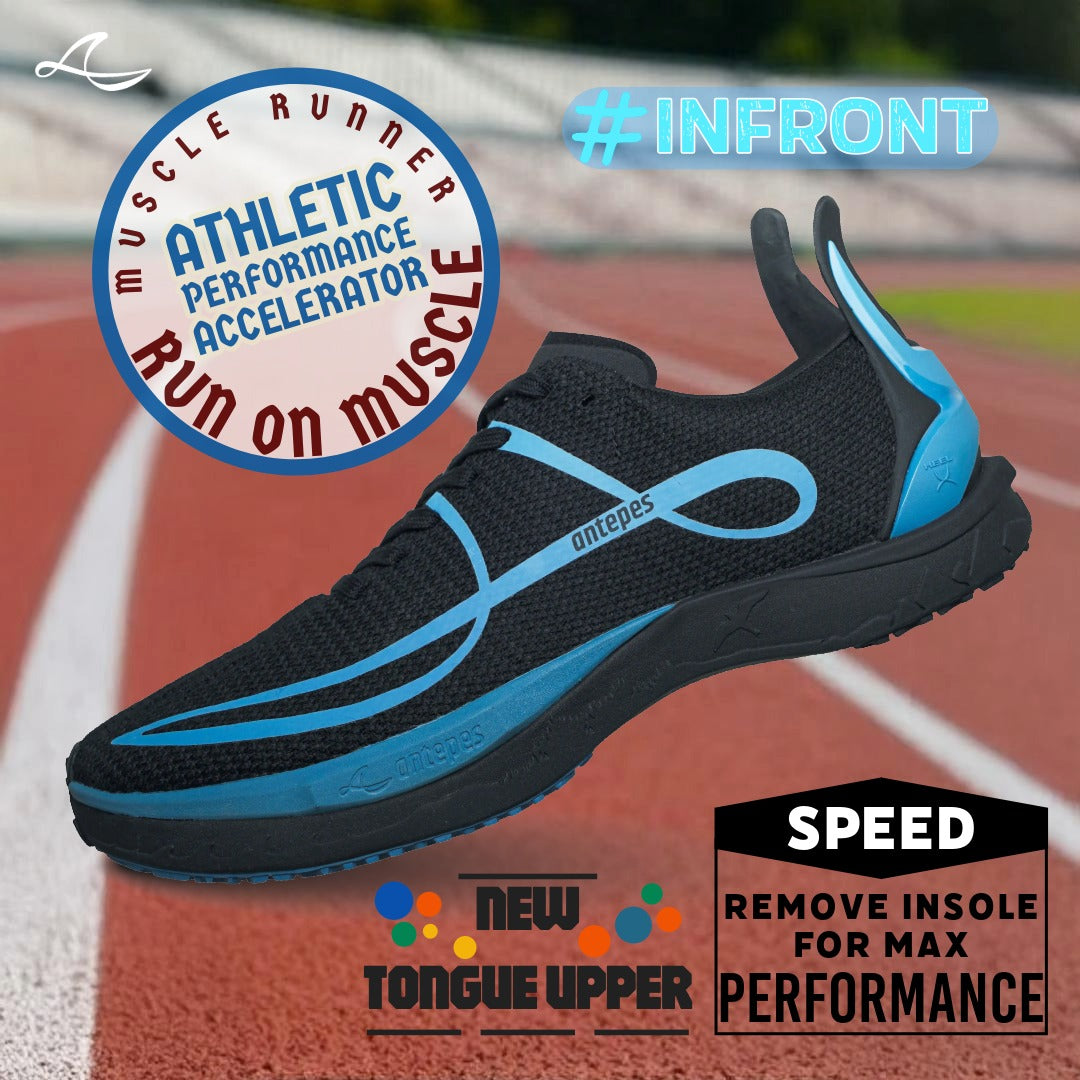
Antepes’s patented footwear platform reimagines traditional athletic-shoe geometry through a unique forefoot-focused sole that places greater cushioning beneath the forefoot than the heel. Its Gradient Cushioning Gain and Uniform Grip technologies are engineered to promote forefoot- or midfoot-first ground contact, create a smooth transition through each stride, and provide stable, consistent traction. Antepes’s patented heel-clamp system further improves rearfoot security by contouring around the heel, ankle, and Achilles region for enhanced lockdown. Together, these innovations integrate forefoot strike guidance, targeted cushioning, traction, and foot security into a performance-training shoe designed to help athletes move with greater control and purpose.

01

Core innovation: Gradient forefoot cushioning

A sole built around the forefoot.

U.S. Patent No. 11,911,333 B2 — Gradient Cushioning Gain for Footwear Sole Arrangement

This patent protects a sole architecture in which the maximum depth beneath the anterior—or forefoot—area is greater than the maximum depth beneath the posterior heel area. It further defines a striking region and sculpted concave or convex transitions through the midfoot. The result is a footwear platform designed around forefoot or midfoot engagement, with cushioning and geometry concentrated where an athlete loads the front of the foot.

View issued patent
Patent Figures 3 and 4 showing side views and dimensional geometry of an Antepes footwear sole
Patent drawing · Figures 3–4 · Gradient sole profile and transition geometry
02

Core innovation: Coordinated ground contact

Grip engineered into the roll.

U.S. Patent No. 11,712,395 B2 — Uniform Grip and Gradient Cushioning Gain for Footwear Sole Arrangement

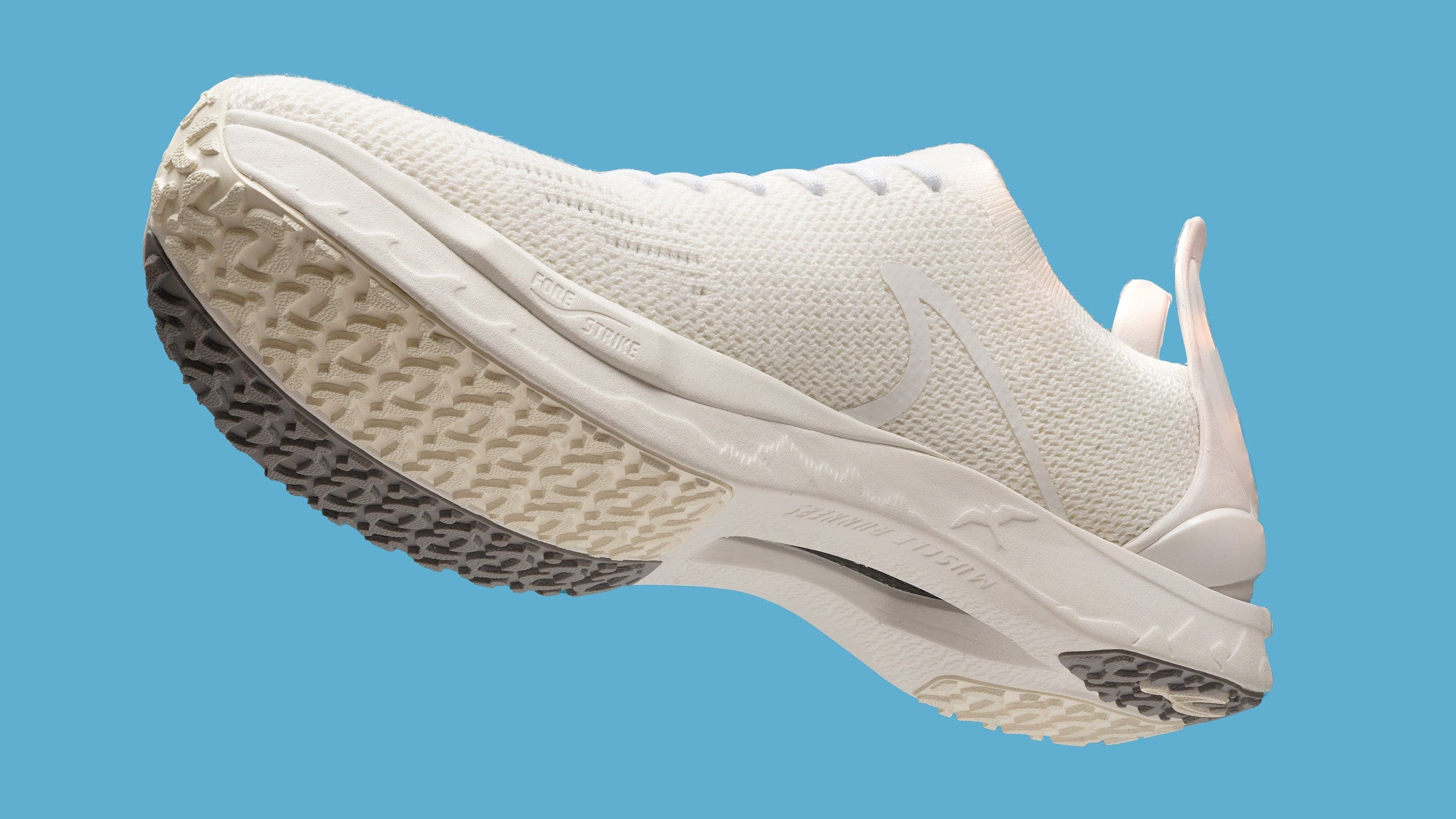
This patent adds controlled ground-contact geometry to the gradient sole concept. Substantially flat contact segments in the anterior and posterior portions are oriented so that, as the shoe rotates through contact, corresponding regions can engage a flat surface substantially simultaneously. The architecture is intended to preserve useful contact and grip while retaining the raised, curved intermediate region that distinguishes the sole’s forefoot-focused profile.

View issued patent
Patent Figures 9 and 10 showing the side profile and outsole contact regions of an Antepes shoe
Patent drawing · Figures 9–10 · Ground-engaging regions and outsole configuration
03

Core innovation: Anatomical heel retention

Lockdown shaped around the anatomy.

U.S. Patent No. 11,903,892 B2 — Heel Clamp for Footwear Sole Arrangement

This patent protects a posterior heel structure with medial and lateral components that rise above the rear of the upper and extend into the anatomical spaces between the ankle bones and the Achilles tendon. Embodiments may combine a softer inner component with a firmer supporting component. Rather than relying only on padding or lace tension, the structure is designed to retain the calcaneus through strategically positioned support around the heel.

View issued patent
Patent Figures 13 and 14 showing side and perspective details of the Antepes heel clamp
Patent drawing · Figures 13–14 · Medial and lateral heel-clamp components
04

Core innovation: Defined striking zone

More than negative drop.

U.S. Patent No. 12,343,298 B2 — Gradient Cushioning Gain for Footwear Sole Arrangement

This continuation patent focuses the gradient concept on depth measured directly beneath the heel and forefoot and on a defined anterior striking area. The claimed geometry maintains its depth for a selected distance—or decreases from the point of maximum anterior depth toward the toe. This protects a deliberately shaped forefoot platform and transition, rather than merely describing a shoe whose heel happens to sit lower than its forefoot.

View issued patent
Patent Figures 5 and 6 showing a side profile and top view of the Antepes sole arrangement
Patent drawing · Figures 5–6 · Forefoot striking platform and sole regions
05

Core innovation: Medial–lateral contact control

Grip tuned across both sides of the foot.

U.S. Patent No. 12,357,526 B2 — Uniform Grip and Gradient Cushioning Gain for Footwear Sole Arrangement

This continuation patent further defines the sole’s ground-engaging surfaces across the medial and lateral sides. It covers relationships among rear and forward contact segments, their angles, and offset positions of maximum anterior depth so selected regions can meet the ground together as the shoe rotates. The innovation provides a way to tune contact across the width of the shoe while preserving the gradient cushioning profile.

View issued patent
Patent Figures 7 and 8 showing longitudinal and cross-sectional geometry of the Antepes sole
Patent drawing · Figures 7–8 · Longitudinal and medial–lateral sole geometry
06

Core innovation: Recovery plus transport

A training tool that carries the footwear.

U.S. Patent No. 11,712,396 B2 — Exercise Equipment for Transportation of Article of Footwear

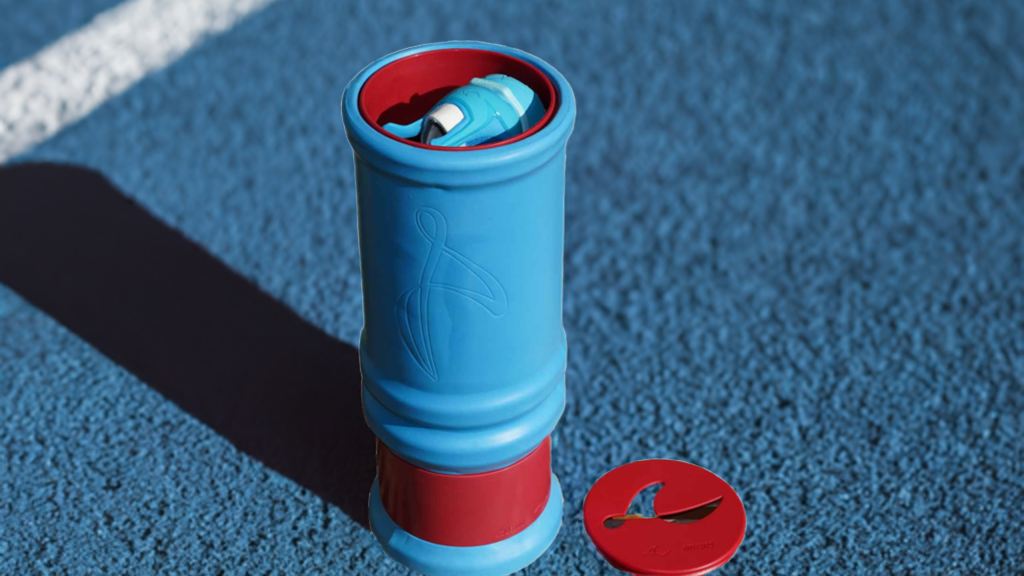
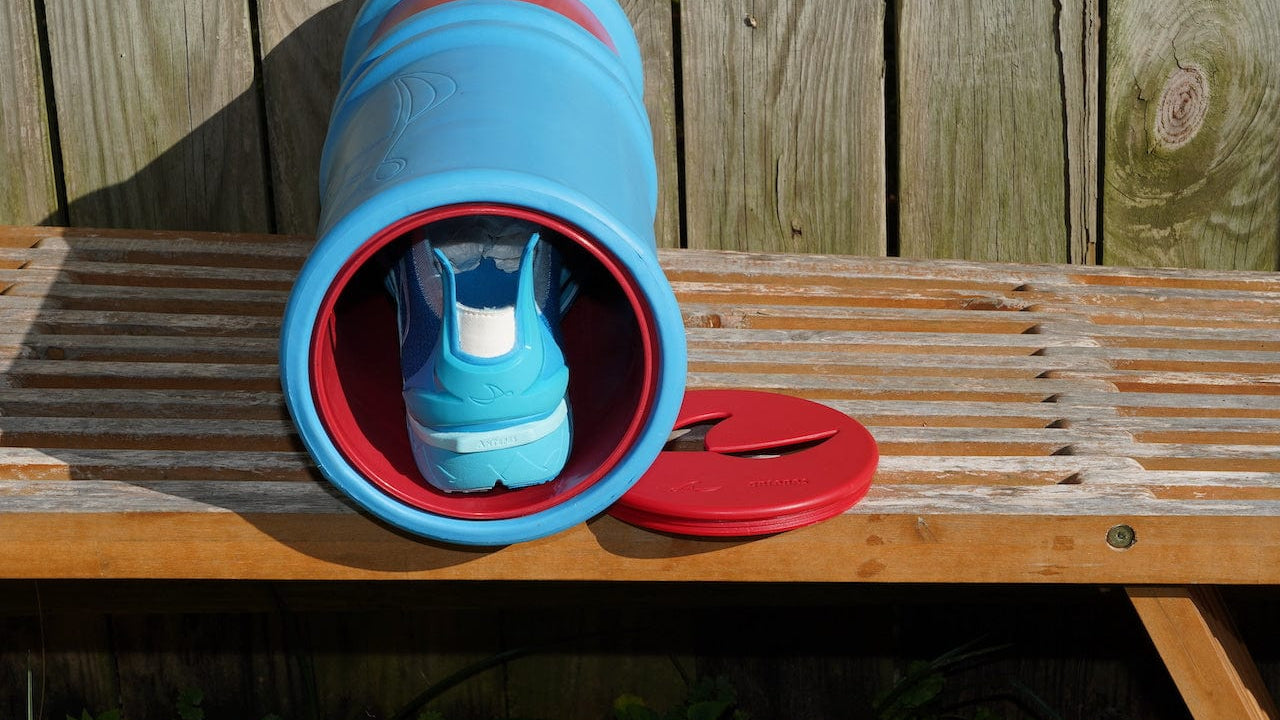
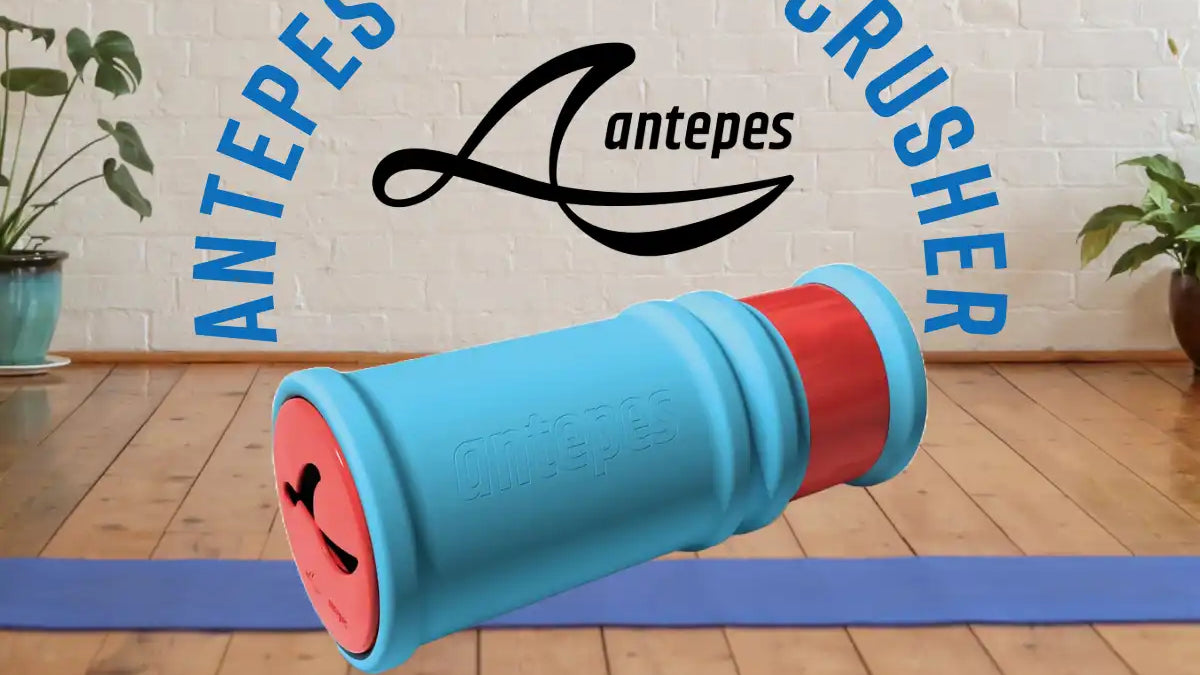
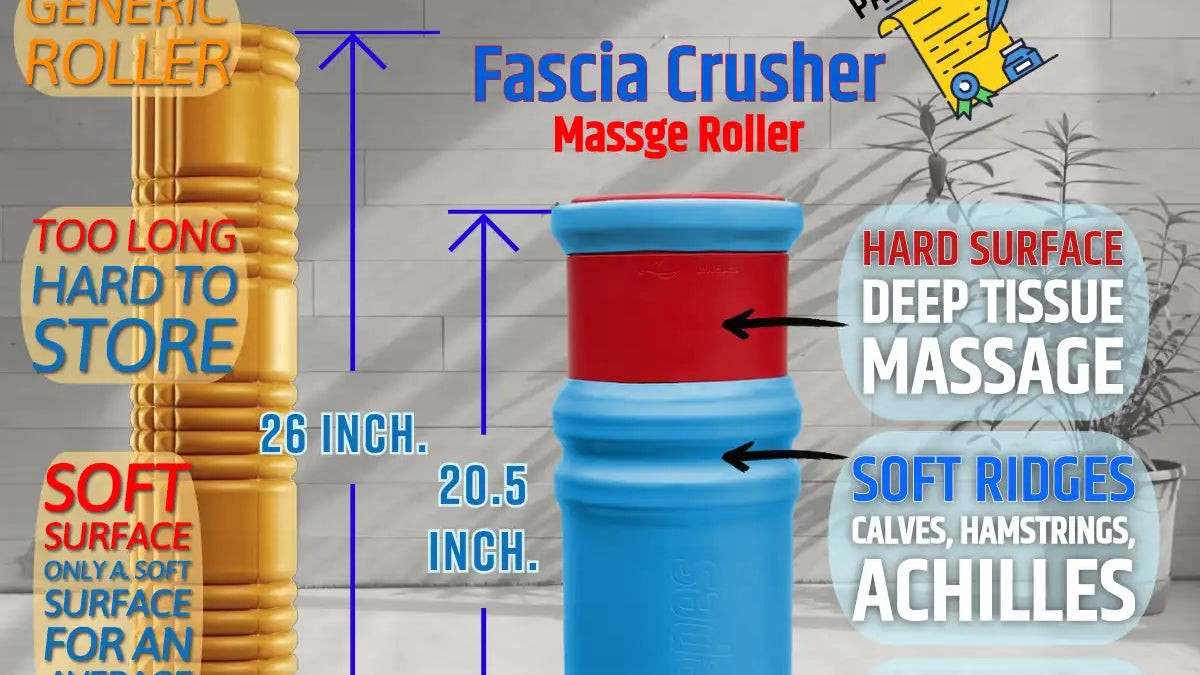
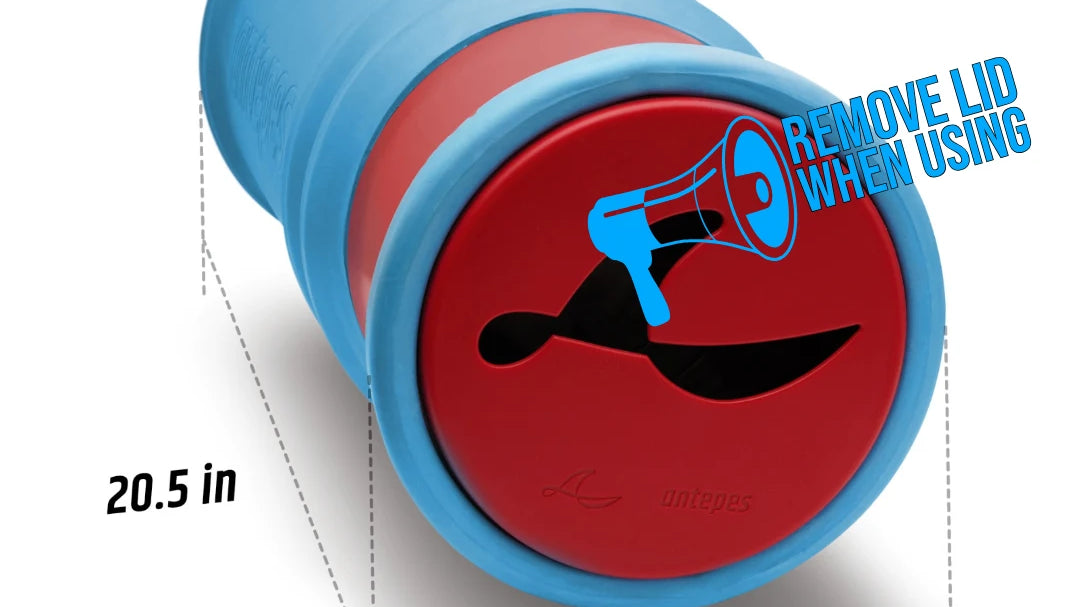
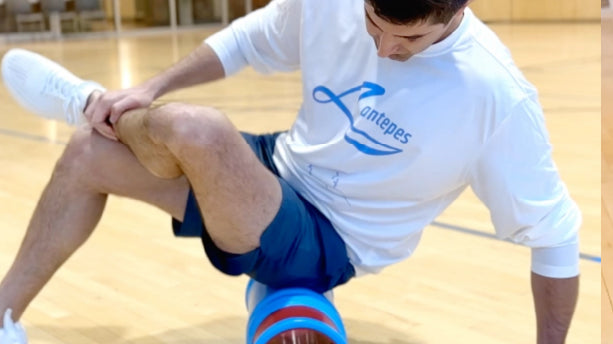
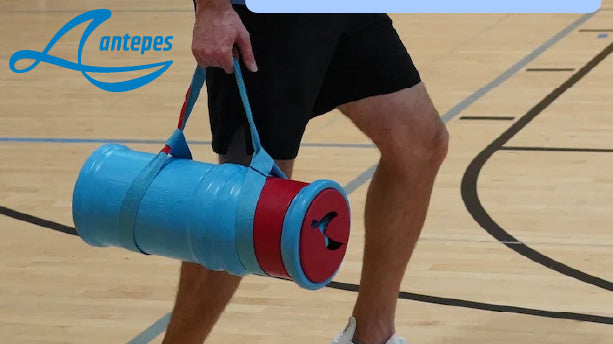
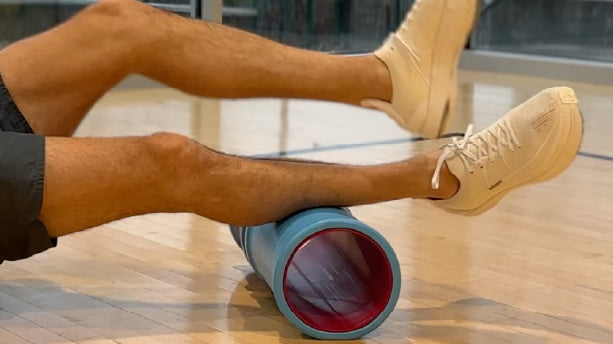
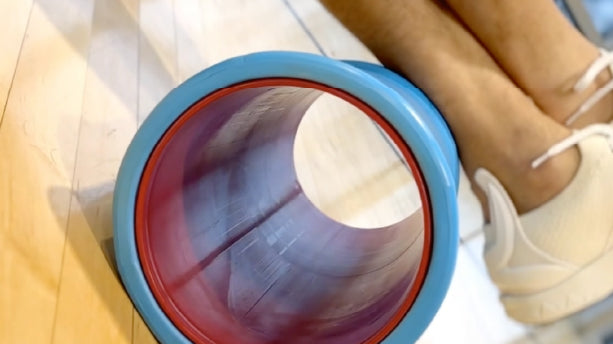
This patent extends the Antepes platform beyond the shoe. It protects cylindrical therapeutic massage equipment with a hollow interior, exterior components having different hardness values, raised massage regions, and a removable end cap. The issued claims also cover configuring the internal void to receive, store, or transport an article of footwear—combining a portable recovery roller and footwear carrier in one compact piece of training equipment.

View issued patent
Patent Figures 17 and 18 showing an Antepes sole and hollow cylindrical massage and transport device
Patent drawing · Figure 18 · Hollow, multi-material recovery and transport device
These descriptions are plain-language summaries for general informational purposes. The issued patent claims define the legal scope of each patent. Patent drawings are reproduced from the corresponding public patent records.
M
antepes
Michael Zarfati
BEST SPORTS PERFORMANCE SHOES!

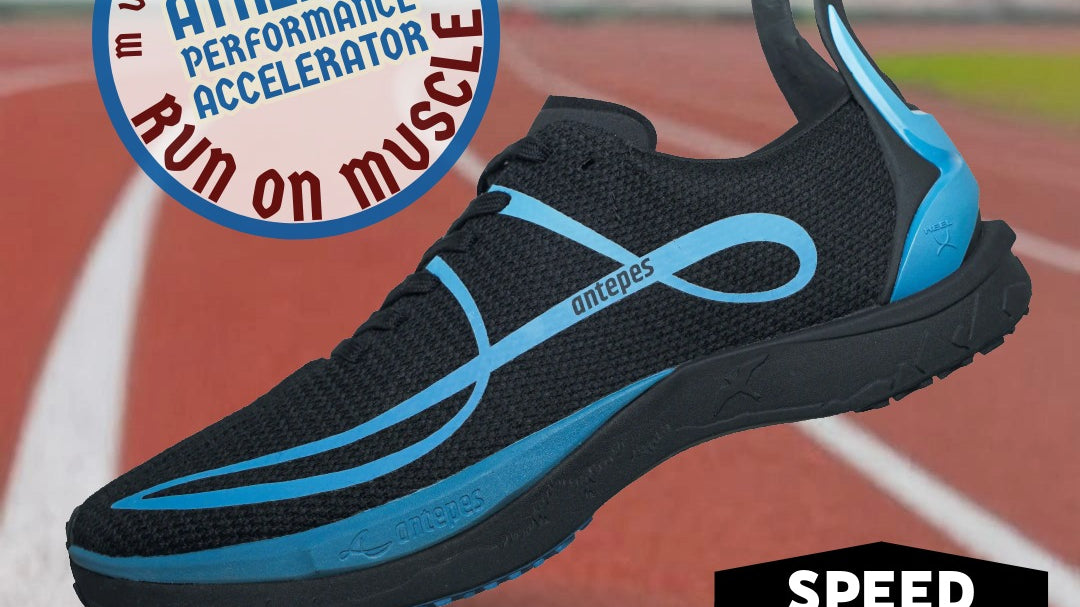
If I could, I would give these shoes a 6 star rating. When I ordered my antepes “Muscle Runners” I was expecting shoes for strictly sprinting. I had no idea how great they would also be for High Intensity Training (HIT). They are very light and comfortable and make you feel very springy. Absolute best sports performance shoes I’ve ever had. 5 Stars, 10/10 content. Well done!

G
antepes
Gordon Miller Jr
World class

Great shoe for training and Sprint great 👍